Ghana travel guide: everything to know before you go
Ghana lies on the Gulf of Guinea in West Africa, bordered by Côte d’Ivoire, Burkina Faso and Togo. Once called the Gold Coast, it became the first sub-Saharan African colony to win independence, on 6 March 1957, under Kwame Nkrumah. Today it is one of the region’s most stable democracies and among its friendliest places to travel — the greeting you will hear everywhere is akwaaba, “welcome”.
For visitors, Ghana combines three very different journeys. The coast has Accra’s energy, the castles of Cape Coast and Elmina and long palm-lined beaches. The forest belt holds Kumasi and the Asante kingdom, Kakum’s canopy walkway and the cocoa farms that made Ghana famous. The north is savannah country, with mud-and-stick mosques, Mole National Park and a slower pace of life.
Accra
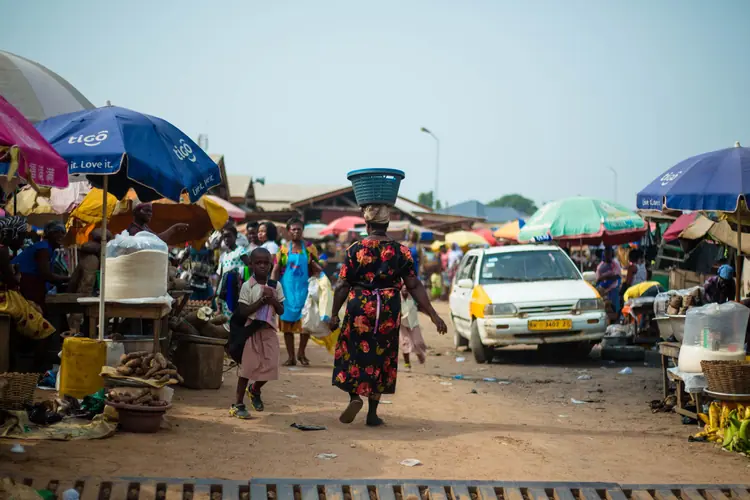
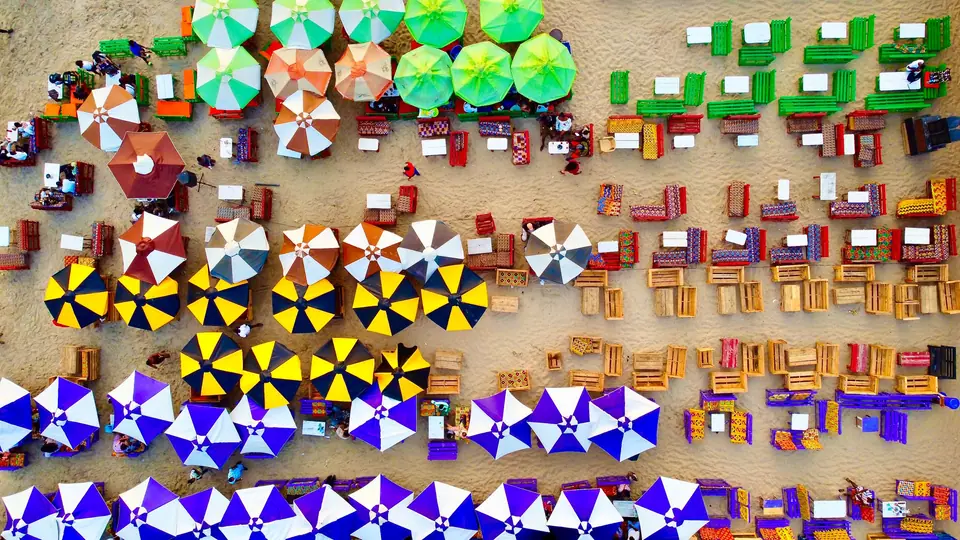
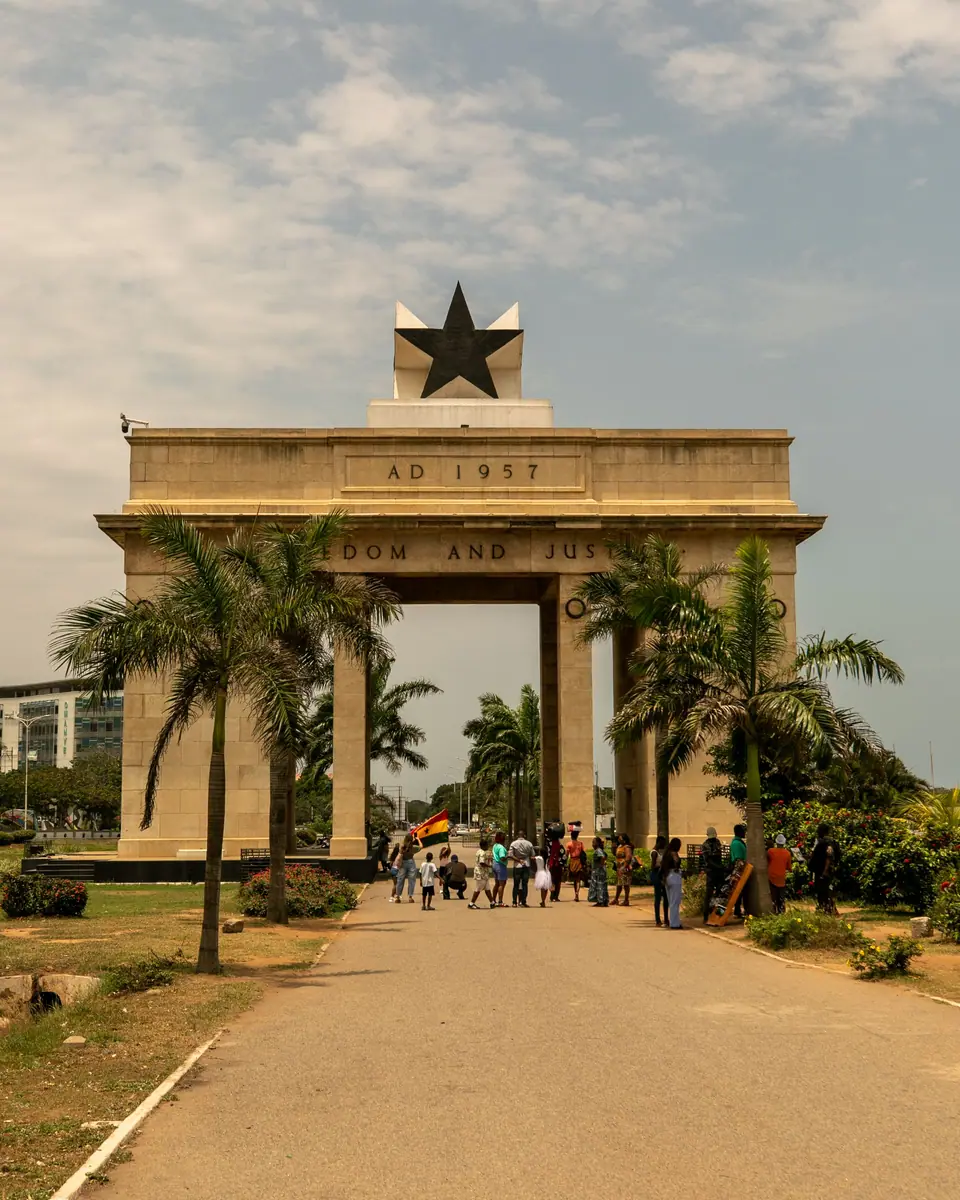
Ghana’s capital is loud, creative and fun. Walk the old fishing quarter of Jamestown with its lighthouse and street art, visit the Kwame Nkrumah Memorial Park and the Independence Arch on Black Star Square, shop at Makola Market and the Arts Centre, and spend evenings in Osu and East Legon. Labadi and Kokrobite are the nearest beaches.
Cape Coast and Elmina
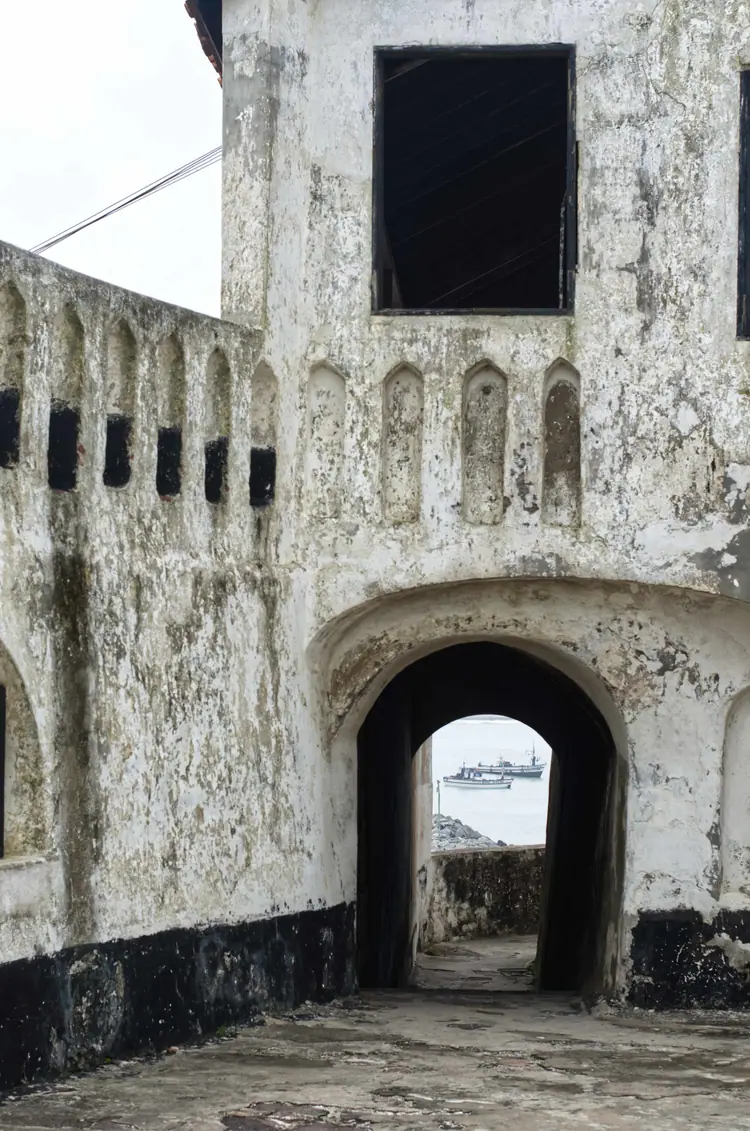
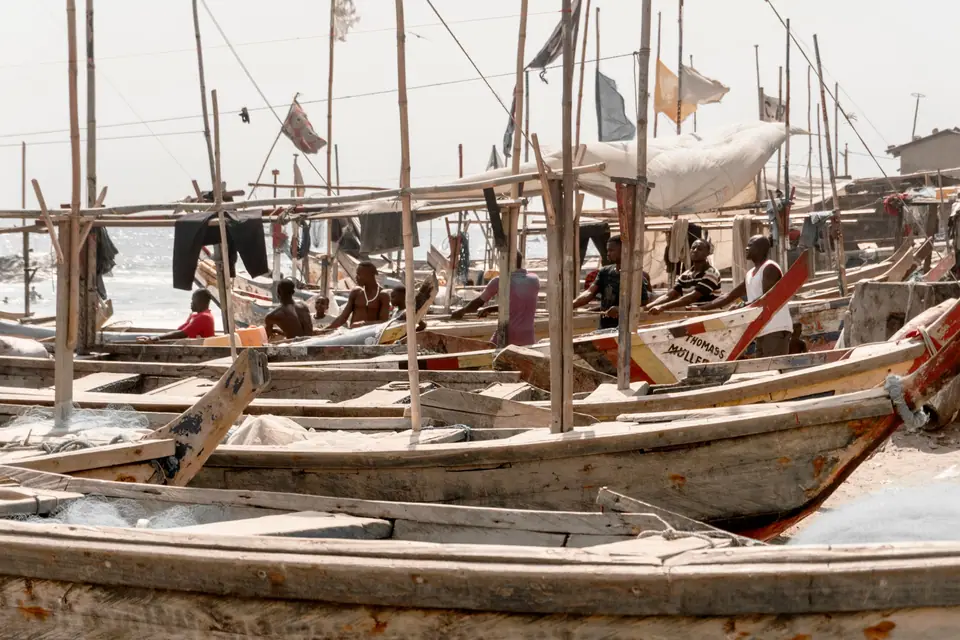
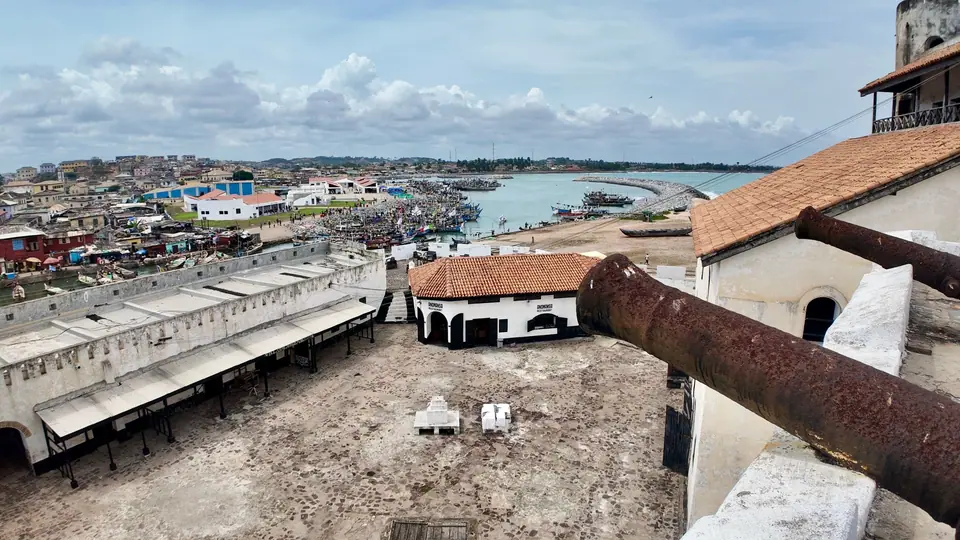
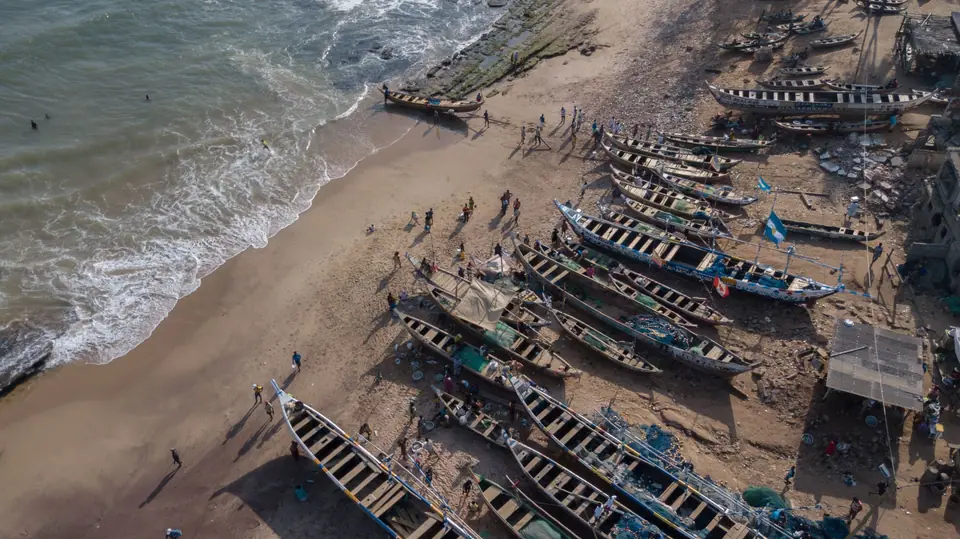
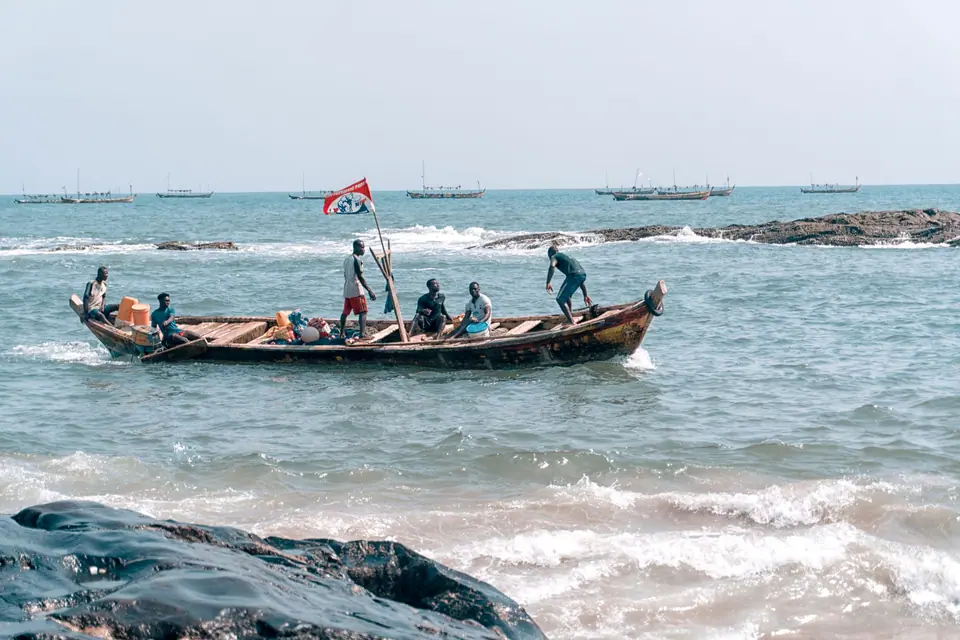
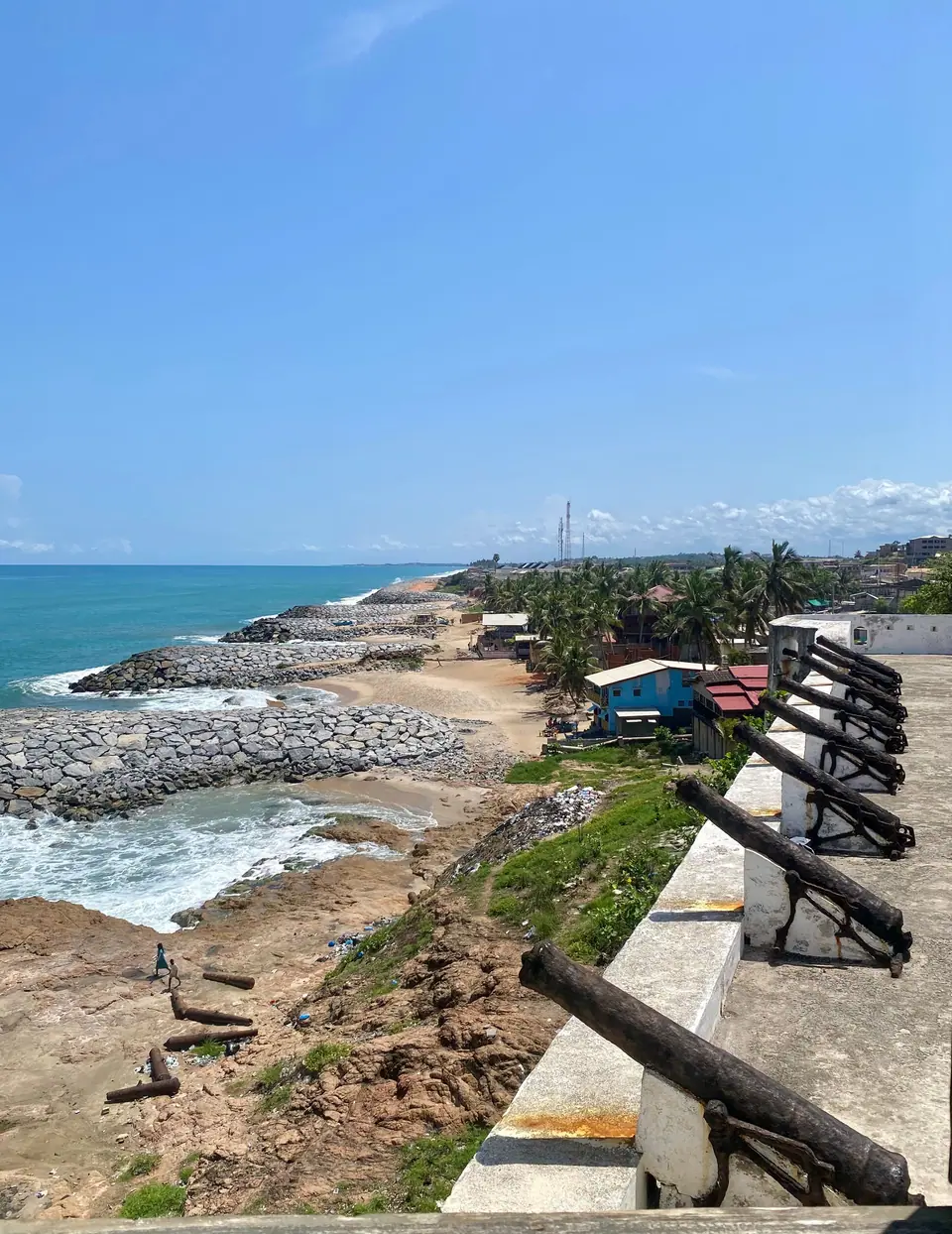
Around three hours west of Accra, Cape Coast Castle and Elmina Castle — built by the Portuguese in 1482 as São Jorge da Mina — are among the most important sites of the Atlantic slave trade and part of a UNESCO World Heritage listing of Ghana’s forts and castles. Guided tours through the dungeons and the “Door of No Return” are deeply moving. Elmina’s harbour, packed with painted canoes, is one of the most photogenic places in West Africa.
Kakum National Park
Inland from Cape Coast, Kakum protects tropical rainforest and is famous for its canopy walkway, a chain of rope bridges strung high between the trees. Go early in the morning for birdlife and cooler air.
Kumasi and the Ashanti Region
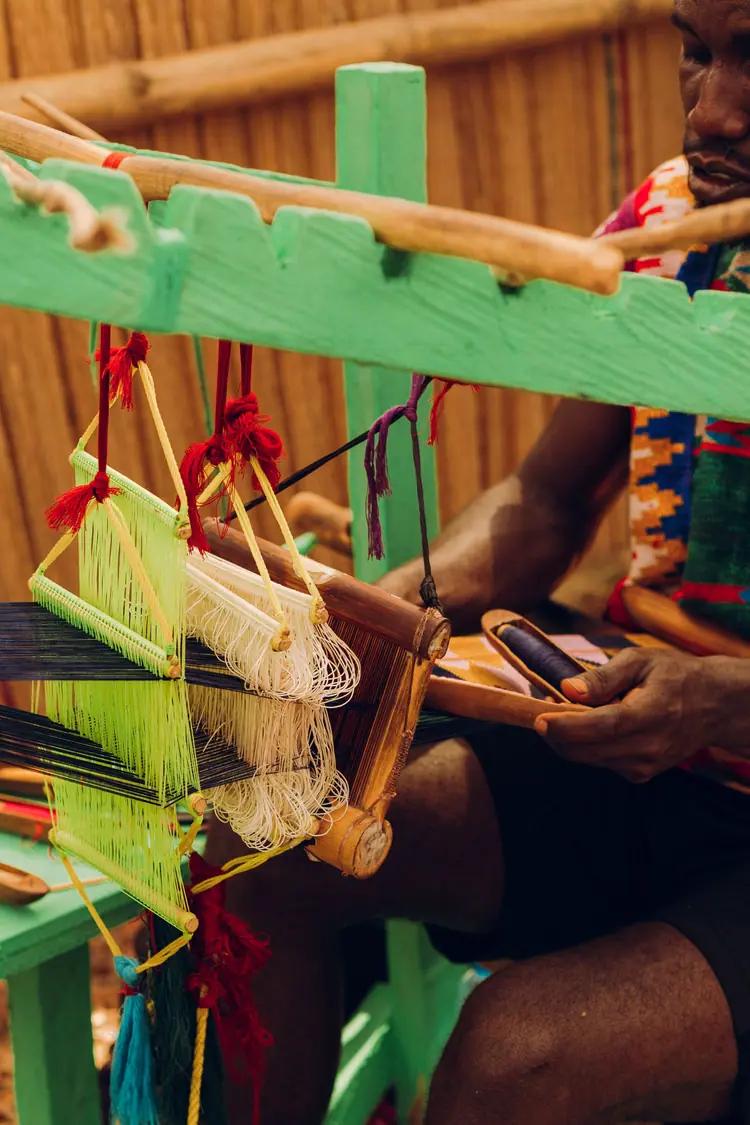
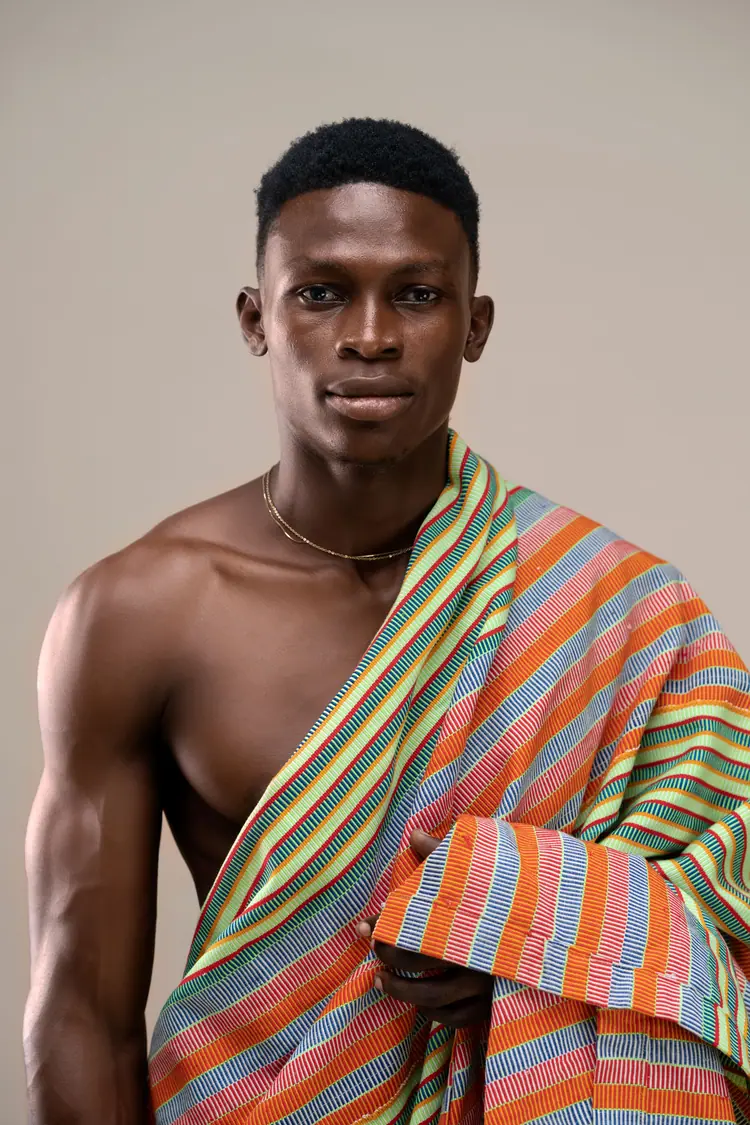
The historic capital of the Asante kingdom is home to the Manhyia Palace Museum, the vast Kejetia Market and the Asante traditional buildings listed by UNESCO. Nearby craft villages specialise in kente weaving (Bonwire), Adinkra stamping (Ntonso) and woodcarving (Ahwiaa). Lake Bosomtwe, a crater lake, is an easy escape.
The Volta and Eastern regions
East of Accra, the Volta Region has green hills, monkey sanctuaries and Wli Falls, among the highest waterfalls in West Africa, as well as Lake Volta. The Eastern Region offers the botanical gardens of Aburi, the Boti Falls and bead-making villages around Koforidua.
Northern Ghana and Mole
Mole National Park is Ghana’s largest wildlife reserve, where walking and driving safaris often bring close sightings of elephants, antelope and baboons. Nearby Larabanga has one of West Africa’s oldest Sudano-Sahelian mud mosques. Tamale is the main gateway.
Suggested itineraries
- One week: Accra (2 nights), Cape Coast and Elmina with Kakum (3), a western beach such as Busua (2).
- Ten days: add Kumasi and the Ashanti craft villages (3 nights).
- Two weeks: add the Volta Region and Wli Falls, or fly north to Tamale for Mole National Park.
Practical information
- Visa: ECOWAS and AES citizens enter visa-free, other Africans get a free ETA, and most others need an eVisa — check your passport.
- Health: a yellow fever vaccination certificate is required; take malaria precautions.
- Money: the Ghanaian cedi (GHS). Mobile money is everywhere; carry cash outside big cities.
- Language: English is official; Twi, Ga, Ewe, Fante and Dagbani are widely spoken.
- Time: GMT all year.
- Etiquette: greet people before asking questions, use your right hand to give and receive, and ask before photographing people.
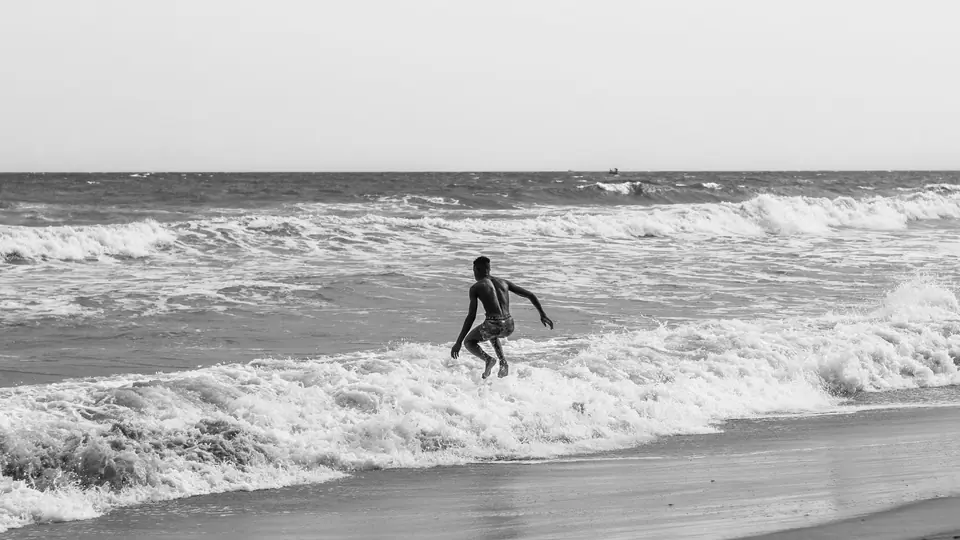
- Sea: Atlantic currents can be strong; swim where locals swim and follow lifeguards.
Where to stay in Ghana
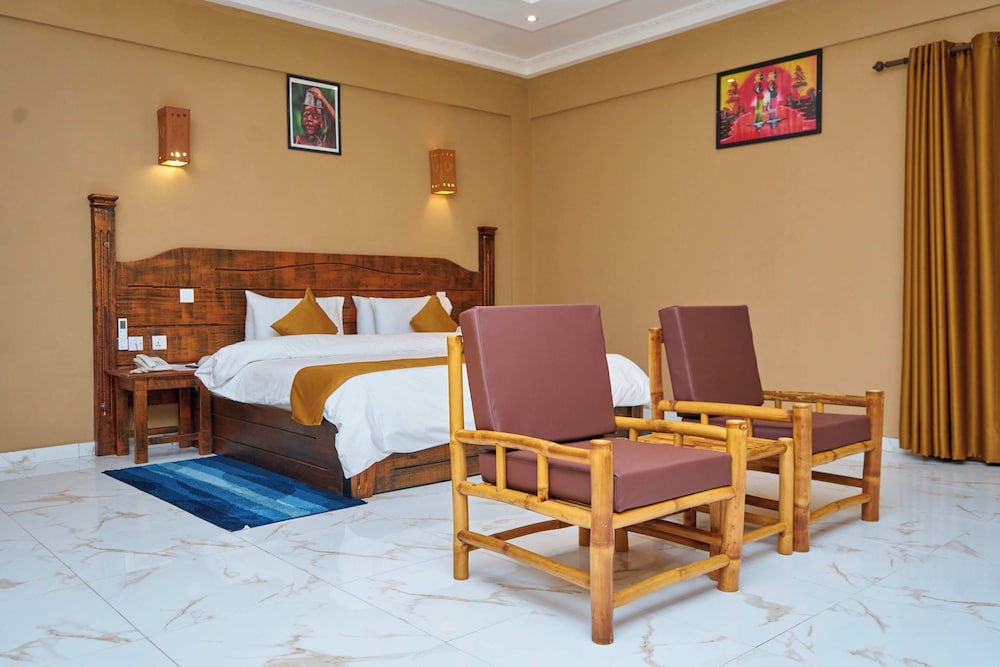
In Accra, Osu, Airport Residential and East Legon suit first-timers, with restaurants and nightlife close by. On the coast, stay in Cape Coast or Elmina for the castles and Kakum, or in beach lodges at Busua and Kokrobite. In Kumasi, choose central hotels near Adum or the quieter Ahodwo area. Use the search above to compare live prices.
 Accra