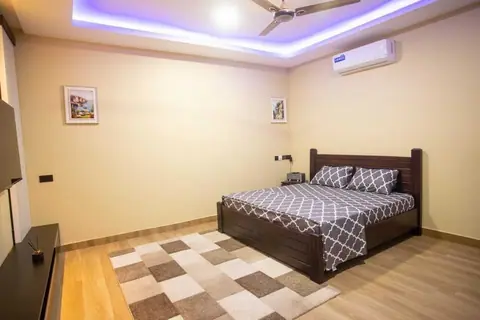
 ★★★★ 4-star
Region · capital Kumasi
Hotels in Ashanti Region
Ashanti Region is the old heart of the Asante kingdom, with Kumasi at its centre. This guide covers the region's towns, how to reach them and how to choose a base for a few days.
IMPT Ghana editorial team · Reviewed 13 November 2026
At a glance
- Region capital
- Kumasi
- Main airport
- Prempeh I International, Kumasi
- Airport distance
- 6.4 km, straight line
- Kejetia Market
- 5.2 km, straight line
The character of Ashanti
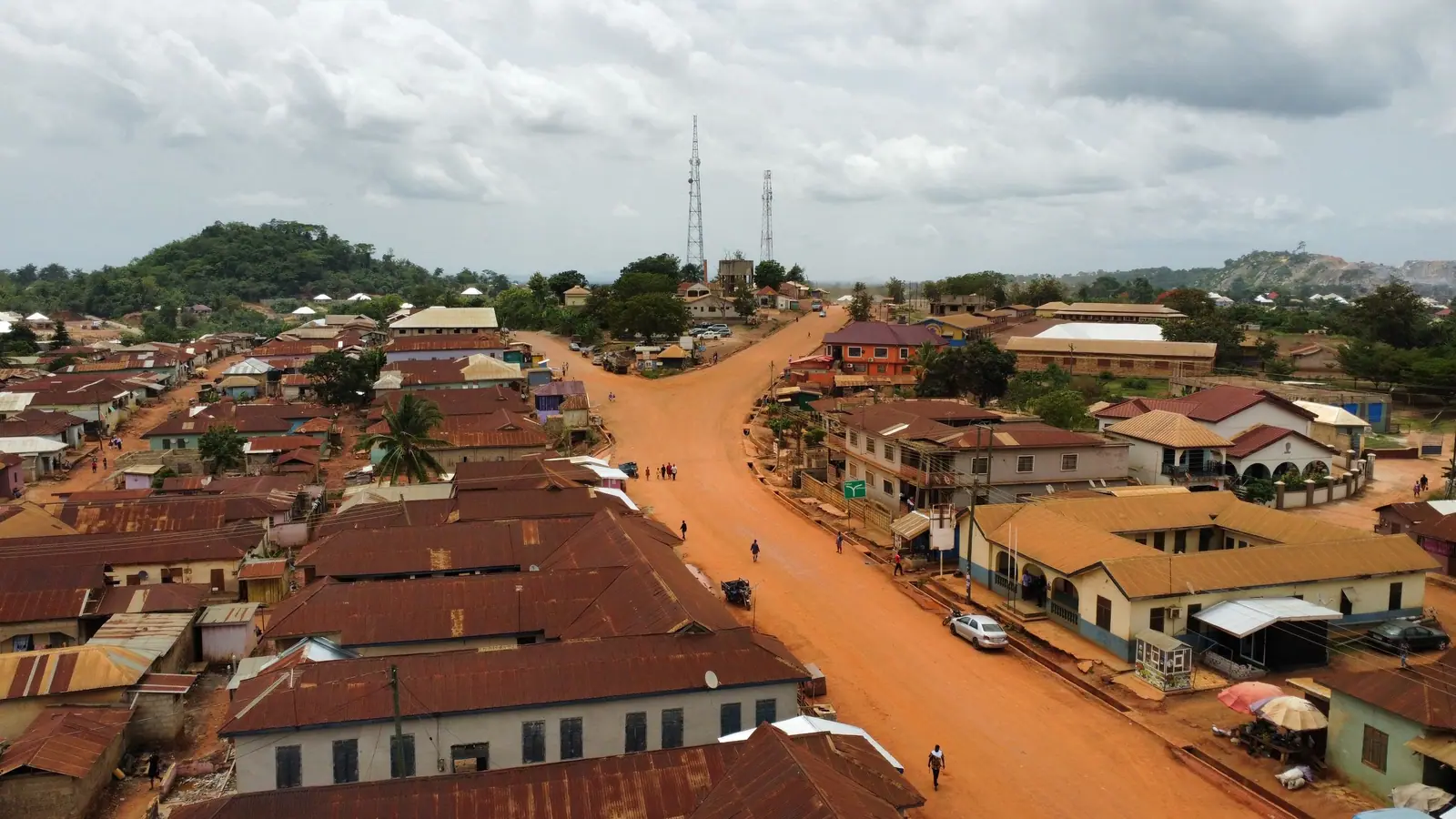
Ashanti Region sits in the south of Ghana's interior, around Kumasi, the seat of the Asante kingdom. The land is green and undulating, with forest remnants, cocoa farms and small towns strung along busy roads. Akan is the largest ethnic group in Ghana, and Twi is widely spoken here alongside English. The region's identity is bound up with Asante history: gold, kente cloth, royal courts and a strong sense of ceremony. Visitors notice the mix of modern city and older protocol, especially around Manhyia, the Asantehene's palace. It is one of the country's most densely settled areas.
Kumasi is Ghana's second city and the region's capital, a commercial centre with a large student population and a busy transport network. Beyond the city, the region ranges from the crater lake at Bosomtwe to mining towns to the south and quieter farming districts towards the north. Ashanti is well connected by road, and most places of interest lie within a short drive of Kumasi. That makes it easy to base yourself in the city and take day trips, or to stay closer to a particular site and travel in for the day.
Kumasi and the main towns
Kumasi is the natural base for most trips: central, well served by transport and close to Kejetia Market and Manhyia Palace Museum. Around it sit the districts covered on this site. Kwadaso and Oforikrom are urban districts on the city's edge, convenient if you want to be near Kumasi without staying in the centre. Ejisu, to the south-east, is a smaller town with its own markets and a quieter pace. Obuasi, in the south, is a mining town with a long history. Bosomtwe district surrounds the lake of the same name.
Each district has a different feel and a different set of practicalities. The urban districts of Kwadaso and Oforikrom suit travellers who want shops, banks and frequent transport within reach, and quick access to the city. Ejisu and Bosomtwe suit those who prefer trees, lake views and slower evenings, with Kumasi still within reach by road. Obuasi works for anyone with business in the mining area or an interest in its industrial past. Whichever you pick, day trips across the region are straightforward. Roads between them are generally good, though traffic near Kumasi can be heavy at peak times.
- Kumasi, the regional capital and the usual base for a first visit.
- Oforikrom, an urban district on the edge of Kumasi with quick access to the city.
- Kwadaso, a neighbouring urban district suited to travellers who want services nearby.
- Ejisu, a smaller town to the south-east, quieter but still within easy reach.
- Bosomtwe, the district around the crater lake, best for a slower, greener stay.
What visitors come for
Most first trips centre on Kumasi. Kejetia Market lines Kojo Thompson Road in the centre of the city, a vast trading ground for food, cloth, tools and household goods. Manhyia Palace Museum shows Asante royal regalia and gold work, with effigies of past kings including Prempeh I and of Yaa Asantewaa. Outside the city, Bonwire is the leading centre of kente weaving, and Adanwomase is the other royal kente village. Lake Bosomtwe, within easy reach of Kumasi, fills a meteorite crater, has no surface outlet and is a UNESCO biosphere reserve.
Culture is the main draw. Akwasidae, held at Manhyia Palace in Kumasi, falls on a Sunday every six weeks and has no fixed month, so check the calendar before planning around it. The region is also good walking country: forest edges, cocoa farms and the crater rim above Lake Bosomtwe reward an early start. Food follows the southern pattern, with cassava, plantain, fufu, banku, kenkey and jollof rice widely available. Craft workshops and cloth sellers are easy to find, and many travellers time a visit around a commission or a fabric order.
- Kejetia Market, in central Kumasi, a vast trading ground for food, cloth and household goods.
- Manhyia Palace Museum, with Asante royal regalia, gold work and effigies of past kings.
- Bonwire, about 20 km away, the leading centre for kente weaving.
- Lake Bosomtwe, about 26 km away, for crater-rim walks and lake views.
Getting there and around
Accra International Airport is the main gateway to Ghana; it was called Kotoka International Airport until the government restored the original name in February 2026. For Ashanti, the quicker option is Prempeh I International Airport in Kumasi, which handles domestic flights. Domestic schedules change, so check before booking. By road, intercity coaches and shared trotros connect Kumasi with Accra, Tamale, Takoradi and other cities. Roads to Kumasi are generally good, though the last stretch into the city can be slow at peak times. Ghana Airports Company Limited runs the country's airports.
Within Kumasi, shared trotros and taxis cover most routes, and app-based taxis work in the centre. The UK Foreign, Commonwealth and Development Office notes that trotro drivers are not centrally licensed, and it advises against road travel outside towns after dark; plan long journeys for daylight. For the lake and the kente villages, a hired car with a driver for the day is the simplest arrangement. The FCDO also advises against all but essential travel to the Bawku Municipal area in the Upper East, far to the north, so check current advice before any long northern trip.
Tip: Distances in Ashanti look short on paper but traffic around Kumasi eats time. Build slack into airport runs and day trips, and start early for the lake road.
When to visit and where to stay
Ghana's climate is tropical, with a wet season and a dry season. The south, including Ashanti, has two rainy seasons, roughly April to June and September to November, and the harmattan, a dry and dusty desert wind, blows roughly December to March. Accra's coast is comparatively dry, but Kumasi sits higher and greener, so expect rain at almost any time of year. Festival dates move, so check the year's calendar: Akwasidae falls every six weeks, and public holidays can shift under the 2025 rules that move many of them to a Friday or Monday.
Choosing a base comes down to how you want to spend your days. Central Kumasi puts Kejetia Market, Manhyia Palace Museum and the main transport links within easy reach, and suits a short first visit. Kwadaso and Oforikrom offer quieter urban nights with the city still close. Ejisu and Bosomtwe suit anyone who wants space, lake views and early starts, while Obuasi works for a mining connection. Check the current room rates, opening days and transfer times directly, and confirm airport pickups in advance. Ask about backup power and water supply, which matter in the hotter months.
Tip: If your trip hinges on Akwasidae or a festival, fix the date before booking a room, then choose a base within walking distance of the places you most want to see.
Ashanti Region by district
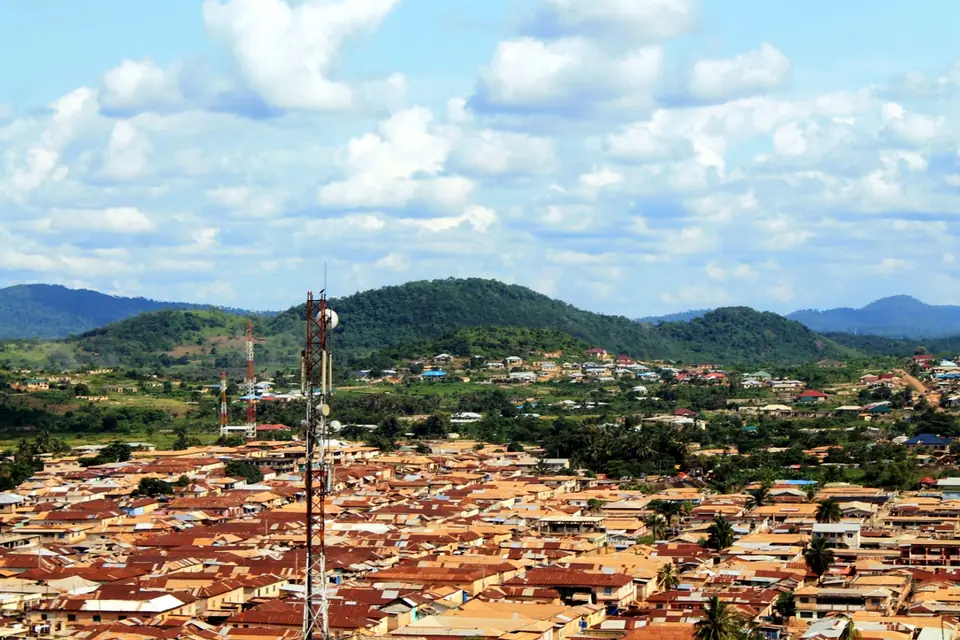
4 stays · BidiemObuasi (around Bidiem)Obuasi Municipal district
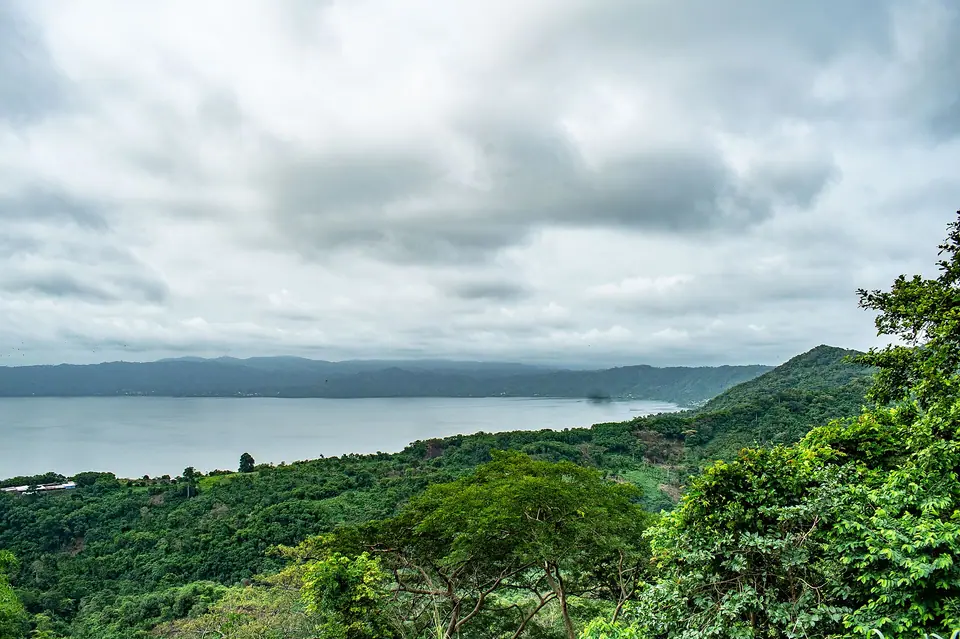
4 stays · AbonoBosomtwe (around Abono)Bosomtwe district
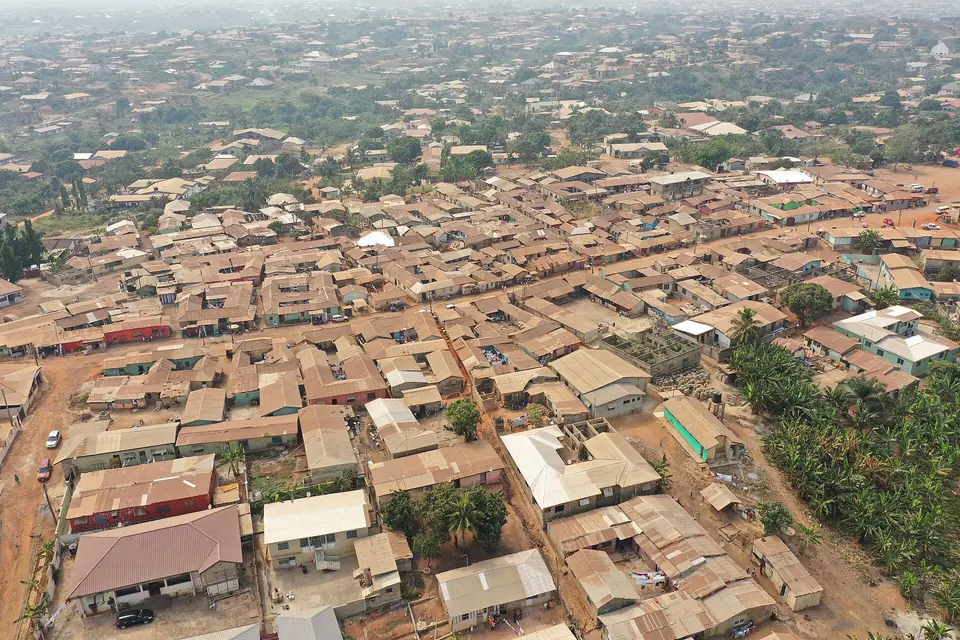
18 stays · AhodwoKwadaso (around Ahodwo)Kwadaso Municipal district
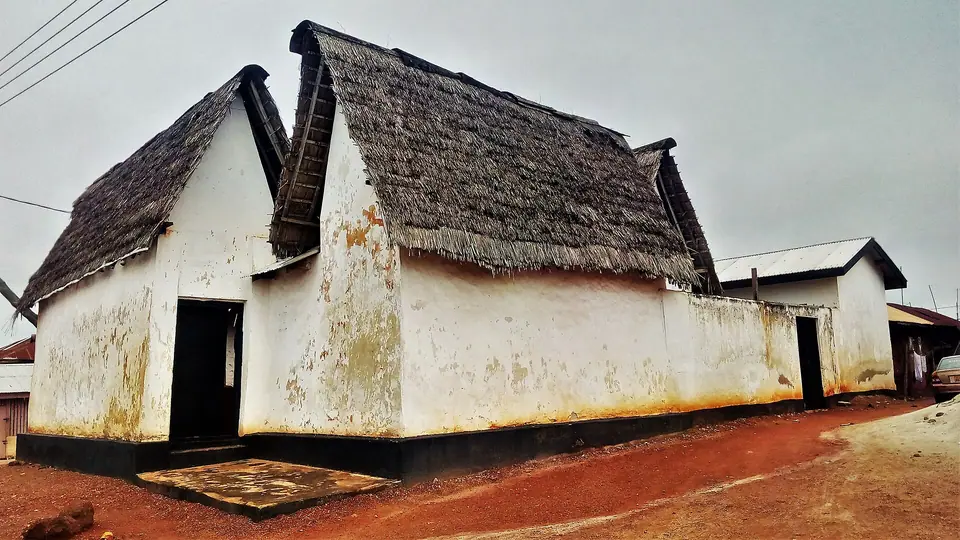
4 stays · AsempaneyeEjisu (around Asempaneye)Ejisu Municipal district
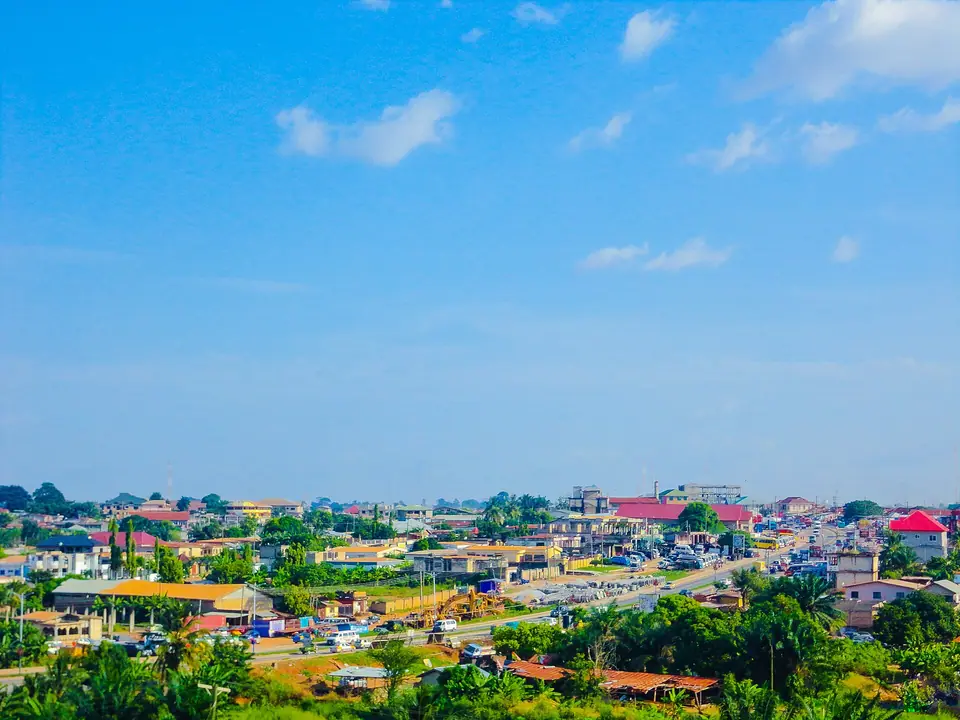
25 stays · DakodwomKumasi (around Dakodwom)Kumasi Metropolitan district

7 stays · AnwomasoOforikrom (around Anwomaso)Oforikrom Municipal district
Top-rated stays
★★★★ 4-star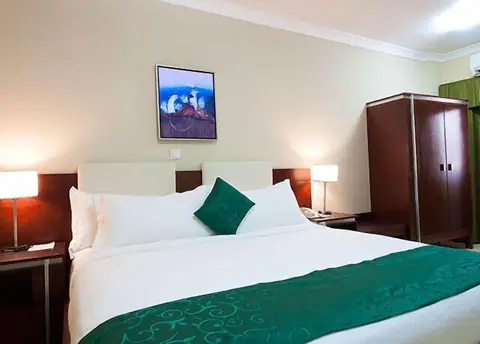 ★★★★ 4-star
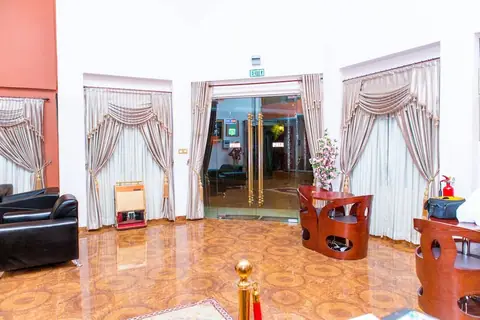 ★★★★ 4-star
 ★★★★ 4-star
Samaritan Villa Resort&Conference Center
Santasi4.0Guest score from the booking supplier · 67 reviews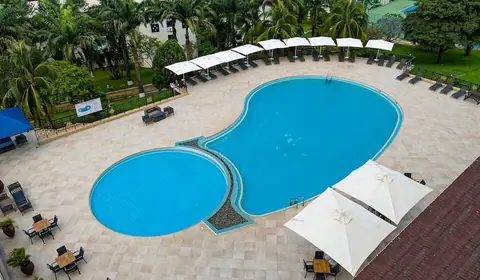 ★★★★ 4-star
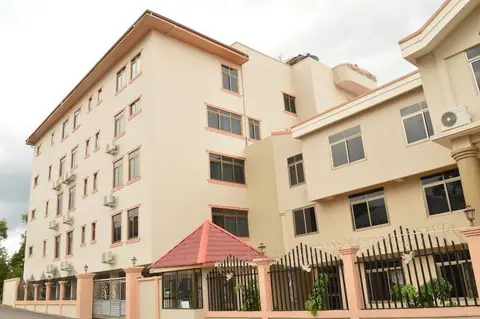 ★★★ 3-star
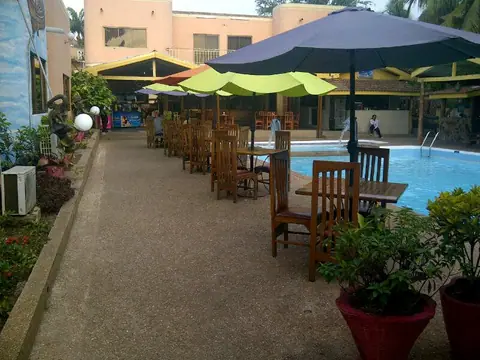 ★★★ 3-star
 ★★ 2-star
Where to stay
Other stays in Ashanti Region
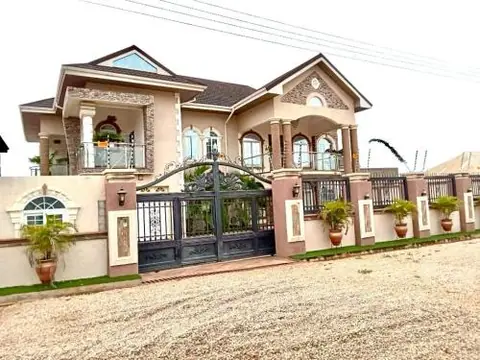
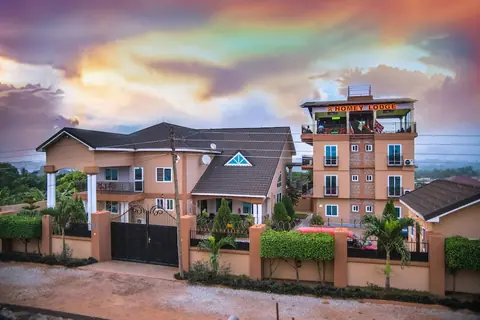
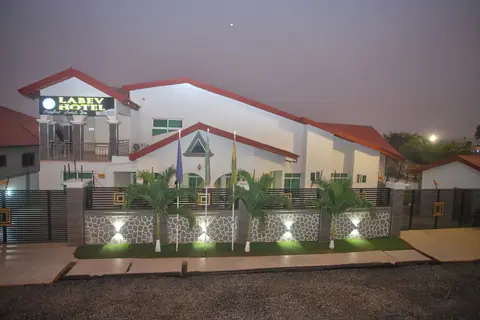
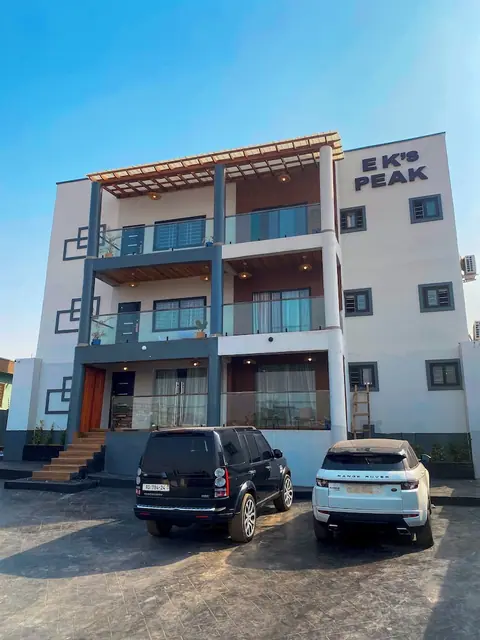
15 stays with a guest score or a four- or five-star rating in the IMPT database, five-star first, then four-star, then the rest by the booking supplier's guest score. Prices and availability are live in the IMPT app.
★★ 2-star ★★★ 3-star
 ★★★ 3-star
 ★★★ 3-star
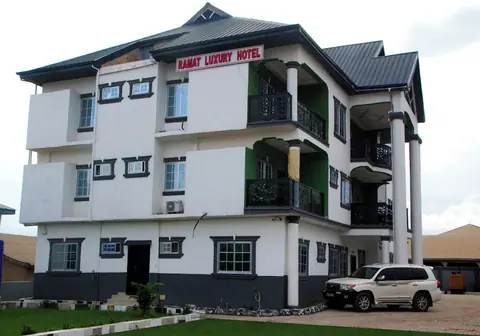 ★★★ 3-star
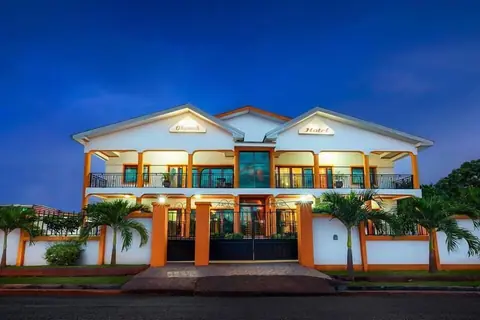 ★★★ 3-star
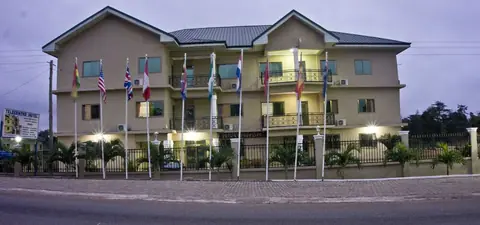 ★★★ 3-star
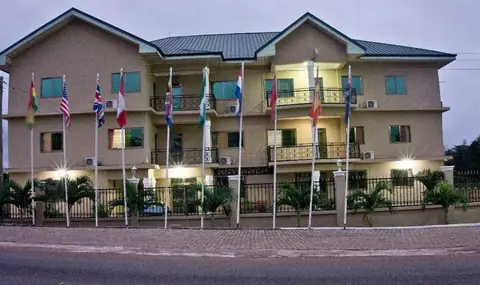 ★★ 2-star
 ★★★ 3-star
 ★★ 2-star
 ★★ 2-star
More places to stay
Further listings in the IMPT database with fewer details from the booking supplier (no guest score yet). Check them on the property's page before you book.
Ashanti Region: questions
Which towns in Ashanti Region have hotels listed on this site?
The site covers stays in Kumasi, Oforikrom, Kwadaso, Ejisu, Bosomtwe and Obuasi. Kumasi is the regional capital and the most convenient base for a first visit. Oforikrom and Kwadaso are urban districts on the city's edge. Ejisu and Bosomtwe suit quieter stays near the lake and the kente villages, and Obuasi is the mining town in the south.
How do you reach hotels in Ashanti Region from the airport?
Prempeh I International Airport in Kumasi is the closest gateway, and Accra International Airport is the main international one. From Accra, intercity coaches and shared trotros run to Kumasi, and the drive is long enough to plan around. Schedules change, so check times with the operator before travelling.
When is the best time to book hotels in Ashanti Region?
The south has two rainy seasons, roughly April to June and September to November, and the harmattan blows roughly December to March. Many visitors prefer the drier weeks between those periods. Akwasidae at Manhyia Palace falls every six weeks, and festival dates move, so check the year's calendar before fixing dates and then book.
Do hotels in Ashanti Region work as a base for day trips?
Yes. Kejetia Market and Manhyia Palace Museum are in Kumasi, Bonwire's kente weaving is about 20 km away and Lake Bosomtwe about 26 km, all within reach on a day trip. A hired car with a driver is the simplest way to link them. Distances look short on paper, but traffic around Kumasi adds time, so start early.
Do hotels in Ashanti Region outside Kumasi work as a base?
Bosomtwe district has its own hotel listings on this site, and staying there puts the crater lake and its rim walks on the doorstep. Kumasi remains within reach by road for markets, museums and transport connections. The trade-off is fewer city services in the evening, so plan meals and transfers ahead and check current opening days for the sites you want to visit.
What should you check before booking hotels in Ashanti Region?
Ask about backup power, water supply and air conditioning, which matter more than décor in the hotter months. Confirm whether airport transfers are arranged and how long they take at peak traffic. Compare current room rates in the app and confirm that the district you choose matches the places you most want to see.
Are hotels in Ashanti Region close to Kejetia Market and Manhyia Palace Museum?
The closest listings sit in Kumasi, with Kejetia Market about 5.2 km away on a straight line and Manhyia Palace Museum about 5.7 km away. Both are in the city, so a central base keeps taxi and trotro rides short. Traffic can still slow the trip at peak times, so allow extra time when heading to the market.
Is a car needed for hotels outside Kumasi in Ashanti Region?
Not strictly. Trotros and taxis connect Kumasi with Ejisu, Bosomtwe and Obuasi, and coaches run between the larger towns. For the lake, the kente villages and scattered sites, a hired car with a driver for the day is easier and lets you set your own pace. The UK FCDO advises against road travel outside towns after dark, so plan daylight journeys.
Read next
Hotels in Bono East RegionBono East sits in the middle of Ghana, a farming region of yam markets, river crossings and quiet roads. Techiman is the capital and the practical base for most stays.Hotels in Bono RegionBono Region is working Ghana: cocoa farms, market towns and an administrative capital at Sunyani. This guide covers where to base yourself, how to arrive, when to travel and what to ask before booking a room.Hotels in the Eastern RegionThe Eastern Region rises from the Accra plains to the Akuapem ridge and the Volta gorge. Its capital, Koforidua, and the ridge towns around it make a calm base for gardens, waterfalls and the lake.
IMPT Ghana editorial team · Reviewed 13 November 2026. Hotels are placed by their own map pin inside Ghana's official district boundaries (Ghana Statistical Service). Facts checked against the Ghana Tourism Authority (visitghana.com), the Ghana Immigration Service and other official sources listed in our editorial policy. Prices are never shown: live rates open in the IMPT app.
Find a stay in Ashanti Region
Photo credits: Owoahene Photography / Pexels; Kobebigs, CC BY-SA 3.0, via Wikimedia Commons; Amuzujoe, CC BY-SA 4.0, via Wikimedia Commons; JoniVideography, CC BY-SA 4.0, via Wikimedia Commons; Joy Agyepong, CC BY-SA 4.0, via Wikimedia Commons; Maven Egote, CC BY-SA 4.0, via Wikimedia Commons.