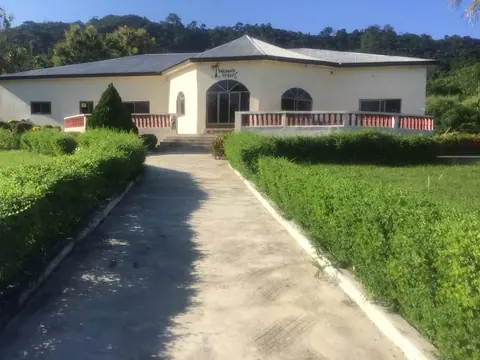
 ★★ 2-star
Hotels · Ashanti Region
Hotels in Bosomtwe, Ashanti Region
Bosomtwe is a district of Ashanti Region wrapped around Lake Bosomtwe, and most of its hotels sit near Abono. This guide covers the towns, the transport, the food and the sights within easy reach of Kumasi.
IMPT Ghana editorial team · Reviewed 13 November 2026
At a glance
- Region
- Ashanti Region, capital Kumasi
- Hotel base
- Abono, on Lake Bosomtwe
- Airport
- Prempeh I International, Kumasi (KMS)
- Airport distance
- About 25 km in a straight line
What the district is like
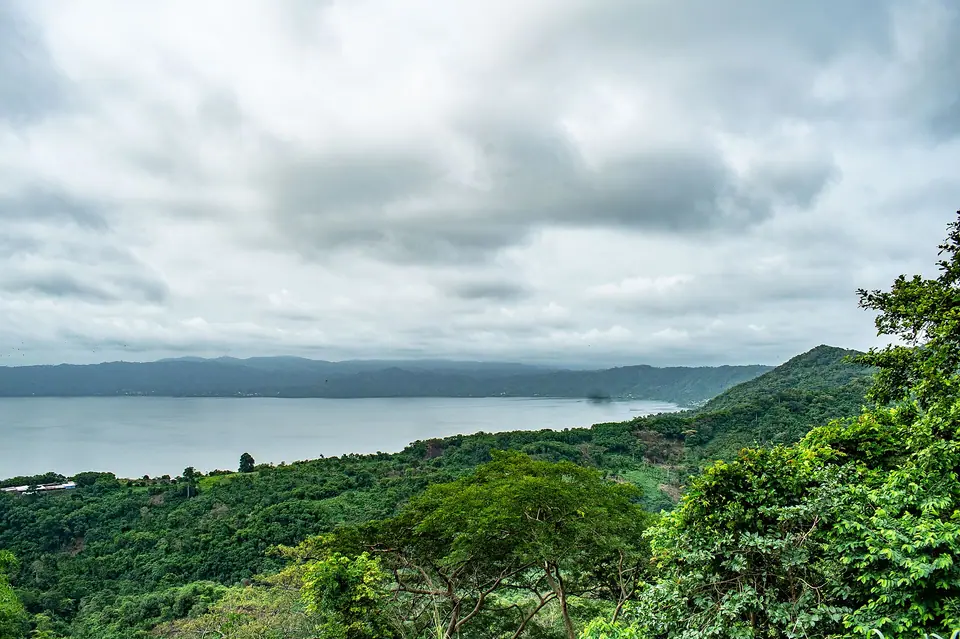
Bosomtwe is a district of Ashanti Region built around Lake Bosomtwe, the natural inland lake that fills a meteorite impact crater in the hills south-east of Kumasi. The lake has no surface outlet, and the land rises steeply from the water on most sides. Villages sit on the rim and at the shoreline, reached by a road that winds down through forest and farmland. The air is cooler than in the city, and evenings are quiet. Most visitors come for the water, the walking and the views.
Hotels and guesthouses in the district are concentrated around Abono, the main settlement on the lake road and the usual base for a night or two by the water. Accommodation is small in scale: lakeside lodges, guesthouses and a few country-style places with gardens. Because the district sits close to Kumasi, it works both as a quiet base and as a stop on a longer route through Ashanti Region. Book ahead at weekends and around public holidays, when city visitors drive out.
Rain shapes a stay here. The south has two wet seasons, roughly April to June and September to November, and the harmattan brings dry, dusty air from about December to March. The lake sits in humid forest, so the hills stay green for much of the year and mornings are often misty. Check the forecast before you travel and pack a light rain layer whichever month you choose. Public holidays fill the lakeside places first, so plan around them.
Tip: Card payment is patchy outside Kumasi, so carry enough cash for small purchases and keep small notes for the lake road.
Towns and neighbourhoods
Abono is the centre of gravity. It sits on the western shore of the lake, with the highest concentration of places to stay, a few eating places and the easiest access to the water. The road from Kumasi comes in through farmland and small towns before dropping to the lake. Elsewhere around the lake, villages are smaller and quieter, and rooms are fewer. Staying at Abono means you can walk to the shore in the morning and drive into Kumasi when you want the city.
Around the rim, the villages are farming communities, and some have small guesthouses run by families. These suit travellers with their own vehicle who want quiet rather than convenience. The crater rim road is rough in parts, and some stretches are better walked than driven. Wherever you stay, ask your host about the state of the track before setting out, and carry what you need for the evening. Few places around the lake are set up for late arrivals, so plan to arrive in daylight.
- Abono: the main base, with the lake shore a short walk away.
- Shoreline villages: quieter rooms, best suited to travellers with a car.
- The crater rim: wide views, rough tracks and very few places to stay.
- Kumasi: markets, clinics and connections, about 26 km away in a straight line.
Getting there and around
Prempeh I International Airport, Kumasi (KMS) serves the region, about 25 km from Bosomtwe in a straight line. The road distance is longer, and the drive climbs and then drops to the lake. Taxis and shared minibuses run from Kumasi, and a hired car with a driver is the simplest way to arrive with luggage. Fares change, so agree the price before you set off or check the current fare with your host. Many hotels around Abono can arrange a pickup if you ask in advance.
Once you are by the lake, transport is limited. Shared minibuses connect Abono with Kumasi during the day, but they fill up and stop early. Taxis are easier to find in Kumasi than at the lake, so keep a number for a driver you trust. The UK Foreign, Commonwealth and Development Office advises against road travel outside towns after dark, and the lake road is not one to try at night. Walking is the best way to reach the shore, and most stops are on the main road rather than at a gate.
Tip: Trotro drivers are not centrally licensed, and the FCDO advises against road travel outside towns after dark. Plan arrivals for daylight and agree the fare first.
Eating around the lake
Food in Bosomtwe is Ashanti cooking, with the same staples you meet in Kumasi: banku, kenkey and fufu, served with soups and stews built on tomato, pepper and palm oil. Rice dishes, fried plantain and grilled tilapia are common, and the lake supplies fresh fish to kitchens along the shore. Hotel kitchens tend to serve a fixed menu with local and international dishes, while small chop bars in Abono and the surrounding villages cook what is in season and sell it through the day.
Expect pepper to be serious and say so early if you want it mild. Vegetarian food is easy to find if you ask: rice, beans, plantain, yam and vegetable stews are everywhere, and many kitchens will leave out fish stock on request. Portions are generous, and lunch is often the main meal. Bottled and sachet water is sold widely; for tap water, ask your host whether it is treated. Tipping practices vary, so ask what is usual.
What is nearby
Lake Bosomtwe itself is the reason many people stop here. The water fills a crater about 49 km² in area and 70 to 73 m deep, with no surface outlet, and the surrounding land is a UNESCO biosphere reserve. Walks along the shore, views from the rim and afternoons by the water fill a day easily. Some visitors swim; ask locally about the safest spots before getting in, and keep to the shore where people already gather.
Kumasi is about 26 km away in a straight line and gives you markets and museums: Kejetia Market and the Manhyia Palace Museum are both within a short drive of the city centre. Bonwire, the kente weaving centre, is roughly 29 km away in another direction. Kakum National Park and the castles at Cape Coast are a long drive south, better as an overnight than an afternoon. Plan the lake for mornings and the city for later in the day.
- Lake Bosomtwe: crater lake and UNESCO biosphere reserve, a few kilometres away.
- Kejetia Market: Kumasi's central market, about 26 km away in a straight line.
- Manhyia Palace Museum: Asante royal regalia and gold work, about 26 km away.
- Bonwire: kente weaving workshops and demonstrations, about 29 km away.
Where to stay
Hotels in Bosomtwe
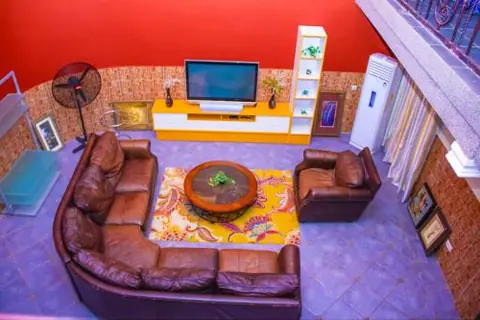
4 stays with a guest score or a four- or five-star rating in the IMPT database, five-star first, then four-star, then the rest by the booking supplier's guest score. Prices and availability are live in the IMPT app.
★★ 2-star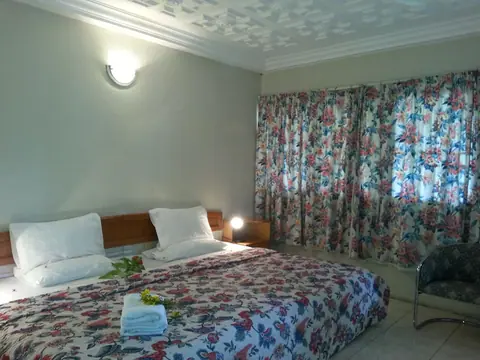 ★★★ 3-star
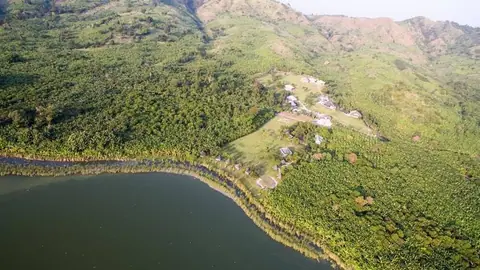 ★★★ 3-star
More places to stay
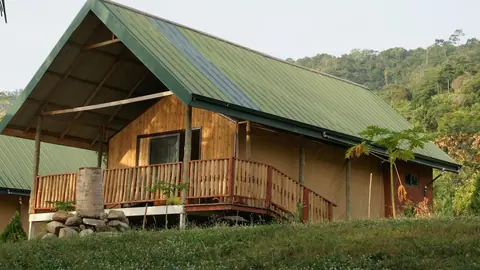
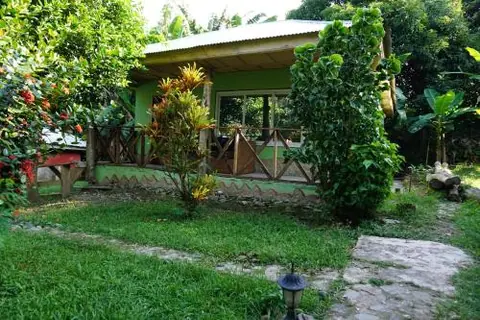
Further listings in the IMPT database with fewer details from the booking supplier (no guest score yet). Check them on the property's page before you book.
Bosomtwe, Ashanti Region: questions
Where are the hotels in Bosomtwe concentrated?
Most places to stay in Bosomtwe are around Abono, on the western shore of Lake Bosomtwe, where the road from Kumasi reaches the water. Smaller villages around the rim have a few family-run guesthouses. Ask about road access and the state of the track before booking anything away from Abono, especially in the rainy season.
How far is Bosomtwe from Kumasi?
The district begins south-east of Kumasi, and Kejetia Market in the city centre is about 26 km away in a straight line. The road route is longer, because the last stretch climbs the crater rim and drops to the lake. Allow more time than the distance suggests, particularly after rain, and travel in daylight.
How do you get to Bosomtwe from the airport?
Prempeh I International Airport, Kumasi, is about 25 km from the district in a straight line. Taxis and hired cars with drivers cover the route, and most places around Abono will arrange a pickup if you ask when booking. Fares change, so agree the price before you set off or check the current fare with your host.
Do you need a car to stay in Bosomtwe?
A vehicle helps. Shared minibuses link Abono with Kumasi during the day, but they stop early and fill up quickly. With your own car or a driver, the villages around the lake and the sights near Kumasi are much easier to reach. Avoid the lake road at night, in line with FCDO advice on travel outside towns after dark.
What is there to do near hotels in Bosomtwe?
Lake Bosomtwe is the main draw: walking the shore, views from the crater rim and time by the water. Kejetia Market and the Manhyia Palace Museum in Kumasi are about 26 km away, and Bonwire, known for kente weaving, is roughly 29 km. Most guests split their days between the lake and the city.
When is the best time to stay in Bosomtwe?
The south has two rainy seasons, roughly April to June and September to November, and the harmattan brings dusty air from about December to March. The greenest months follow the rains, and the driest weeks are popular with visitors from Kumasi. Check the forecast before booking and expect the lakeside places to fill around public holidays.
What food is served at hotels in Bosomtwe?
Kitchens in Bosomtwe cook Ashanti staples: banku, kenkey and fufu with tomato and pepper soups, plus rice, fried plantain and tilapia from the lake. Hotel restaurants usually offer a fixed menu with local and international dishes. Say early if you want mild pepper or no fish, and ask about vegetarian options when you book.
Are hotels in Bosomtwe a good base for a quiet stay?
Yes, if you want water, walking and early nights rather than nightlife. The district is rural, rooms are small in number and the loudest thing is usually rain on a roof. It also works as a base for Kumasi, about 26 km away, if you are happy to drive in for markets and museums and return to the lake.
Read next
Hotels in Ejisu, Ashanti RegionEjisu is a district of Ashanti Region with a quiet, spread-out feel and most of its places to stay clustered around Asempaneye. It suits travellers who want Kumasi and Bonwire within easy reach.Hotels in Oforikrom, Ashanti RegionOforikrom is a district of Ashanti Region on the northern side of Kumasi, with most of its hotels around Anwomaso. It suits travellers who want quiet nights and short runs into the city.Hotels in Kumasi, Ashanti RegionKumasi Metropolitan is the Ashanti Region district at the heart of Ghana's second city. Most of its hotels cluster around Dakodwom, a short ride from Kejetia Market and the Manhyia Palace Museum.
IMPT Ghana editorial team · Reviewed 13 November 2026. Hotels are placed by their own map pin inside Ghana's official district boundaries (Ghana Statistical Service). Facts checked against the Ghana Tourism Authority (visitghana.com), the Ghana Immigration Service and other official sources listed in our editorial policy. Prices are never shown: live rates open in the IMPT app.
Find a stay in Bosomtwe
Photo credits: Amuzujoe, CC BY-SA 4.0, via Wikimedia Commons.