 ★★ 2-star
Hotels · Ashanti Region
Hotels in Oforikrom, Ashanti Region
Oforikrom is a district of Ashanti Region on the northern side of Kumasi, with most of its hotels around Anwomaso. It suits travellers who want quiet nights and short runs into the city.
IMPT Ghana editorial team · Reviewed 13 November 2026
At a glance
- Region
- Ashanti Region
- Airport
- Prempeh I International, Kumasi
- Airport distance
- about 4.9 km
- City centre
- Kejetia, about 7.2 km
What Oforikrom is like
Oforikrom is a municipal district of Ashanti Region, set on the northern side of Kumasi, the regional capital. It is mostly residential: low-rise houses, workshops, church compounds and open ground between the built-up areas. Anwomaso, in the north, is where most of the visitor accommodation sits, so that is the name to look for when you book. Compared with the centre of Kumasi, the district is quieter, with lighter traffic and room to park. There is little here aimed squarely at visitors, and that is much of the appeal.
Distances look short on paper. Prempeh I International Airport, Kumasi (KMS) is about 4.9 km away in a straight line, and Kejetia in the city centre about 7.2 km. Roads bend and traffic thickens as you approach Kumasi, so allow more time than those figures suggest, especially in the morning and late afternoon. Even so, Oforikrom works well as a base for a few days: you can reach the palace museum, the kente villages and the crater lake without a long drive.
Towns and neighbourhoods
The district is a patchwork of settlements rather than one town. Oforikrom gives the municipality its name and holds the everyday shops and services. Anwomaso, further north along the main road, is the cluster most visitors get to know, with junctions, filling stations, small shops and roadside food. Between and around them, housing spreads out: family compounds, rented rooms, student lets and newer estates, with open ground still between them. It is not a district of sights; it is a district where people live and work.
Addresses mean little here and landmarks mean everything. Many side roads are unnamed, so drivers navigate by a junction, a school, a church or a filling station. Ask for directions that way, and keep a phone number for wherever you are staying. The Kwame Nkrumah University of Science and Technology lies a short run to the south, which keeps a steady flow of students, staff and visiting families through the area. Term time is busier, and the long vacations are noticeably quieter.
- Anwomaso: the northern cluster where most visitor rooms are found, with junctions, shops and roadside food.
- Oforikrom town: the district's namesake settlement, with everyday shops, services and local transport.
- The university fringe: the Kwame Nkrumah University of Science and Technology campus sits a short run south.
- The Kumasi road: the main route south, where the district gradually becomes the city and traffic slows.
Who should stay here
Oforikrom suits travellers with their own vehicle, a hired driver or a reliable taxi arrangement, and anyone who wants to be near Kumasi without sleeping in the middle of it. Families and small groups tend to do well, since the accommodation here comes with space and parking rather than a city-centre address. It also works for a first or last night: the airport is close, so you can leave for a flight without crossing the whole city. Visiting lecturers, students' families and people working on the northern edge of the city also find it convenient.
It suits less well if you want to step out of your room into restaurants, bars and museums. Oforikrom is residential, evenings are quiet, and you will need a car or a taxi for dinner and for anything after dark. Without a vehicle, weigh that against the convenience of a city-centre base in Kumasi, where more of the eating places and sights sit within walking distance. Business travellers on short trips may prefer to be closer to Kejetia, and anyone relying on trotros will find the city easier to navigate on foot.
Tip: If you plan to eat out in the evening, arrange the return trip before dark and keep the driver's number; transport is thinner in residential streets after the working day.
Getting around and to the airport
Trotros, the shared minibuses, run along the main corridors, and taxis or ride-hailing cars are easy to pick up on the busier roads. On the back streets you will wait longer, so book by phone where you can. The UK Foreign, Commonwealth and Development Office advises against road travel outside towns after dark, and that is sensible advice here: plan daytime movements and be back before evening. Trotro drivers are not centrally licensed, so agree your stop clearly and keep your belongings close.
For flights, the airport is Prempeh I International Airport, Kumasi, known by its code KMS and about 4.9 km away in a straight line. Ghana Airports Company Limited runs it. Domestic schedules change, so confirm with your airline before planning a connection, and note that Kumasi, Tamale and Takoradi carried the most domestic traffic in 2025 while Ho had no scheduled flights that year. Allow extra road time in the morning peak, when the route into Kumasi is slow.
Tip: Check the current domestic timetable before booking a connection; routes and frequencies change, and some regional airports have no scheduled service at all.
Eating and nearby sights
Eating in Oforikrom is everyday and local. Small kitchens and chop bars serve the staples of southern Ghana: banku and kenkey with pepper and fried fish, fufu with light soup or groundnut soup, jollof rice, and rice with tomato stew. Cassava and plantain underpin most meals here, with yam, maize and beans alongside. Food is often cooked to order, so settle in and expect to wait a little. Portions are generous, and the pepper is serious, so ask for less if you are unsure.
Most eating places are simple: a few tables, plastic chairs, a hand-written board. Vegetarian food exists but is rarely labelled, so ask what is in the soup or stew; groundnut and light soup can be made without meat, and rice dishes are easy. For a wider choice, head into Kumasi, where restaurants around the centre cook Ghanaian and international food. If you are staying a while, ask your host about breakfast and kitchen access, and buy fruit and vegetables from the local markets.
The district's advantage is how much sits within easy reach. Manhyia Palace Museum, the Asante royal seat in Kumasi, is about 6.8 km away and holds royal regalia, gold work and effigies of past kings. Kejetia Market is about 7.2 km, Bonwire's kente weavers 15.1 km. Lake Bosomtwe, a crater lake and UNESCO biosphere reserve, is about 25.7 km. Kakum National Park and the castles at Cape Coast are further south and worth a separate trip. Each is a straightforward half-day outing by car.
- Manhyia Palace Museum, about 6.8 km: Asante royal regalia, gold work and effigies of past kings.
- Kejetia Market, about 7.2 km: the trading heart of Kumasi, and a place to allow plenty of time.
- Bonwire, about 15.1 km: the kente weaving centre, with Adanwomase the other royal weaving village.
- Lake Bosomtwe, about 25.7 km: a crater lake and UNESCO biosphere reserve in Ashanti Region.
Where to stay
Hotels in Oforikrom
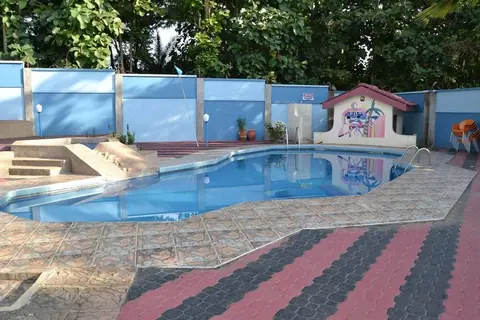
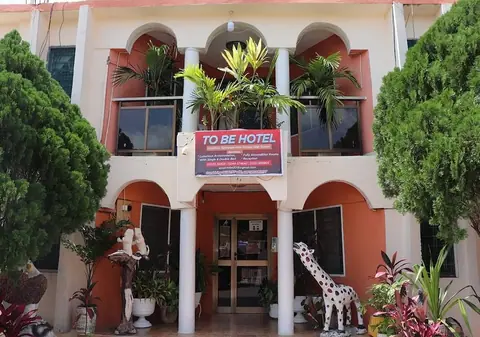
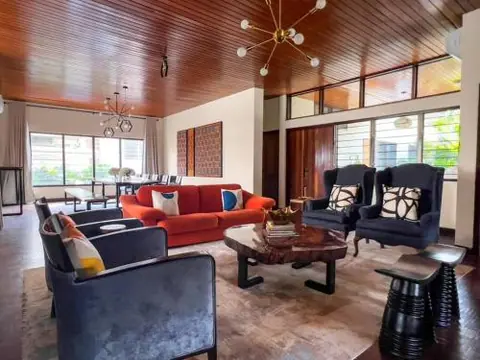
7 stays with a guest score or a four- or five-star rating in the IMPT database, five-star first, then four-star, then the rest by the booking supplier's guest score. Prices and availability are live in the IMPT app.
★★ 2-star ★★★ 3-star
 ★★ 2-star
 ★★★ 3-star
 ★★ 2-star
More places to stay
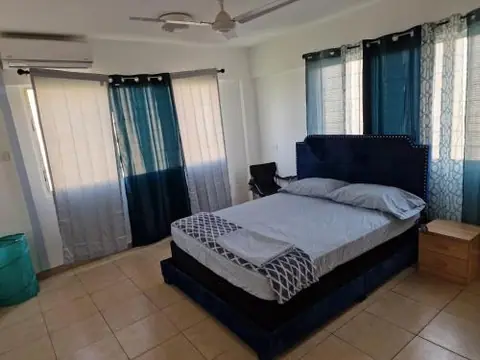
Further listings in the IMPT database with fewer details from the booking supplier (no guest score yet). Check them on the property's page before you book.
Oforikrom, Ashanti Region: questions
Where is Oforikrom in Ghana?
Oforikrom is a municipal district of Ashanti Region, on the northern side of Kumasi. The regional capital, Kumasi, lies to the south, and the district runs out towards the northern approaches to the city. Its hotels cluster around Anwomaso, and the airport is about 4.9 km away in a straight line.
How far is Oforikrom from Kumasi airport?
Prempeh I International Airport, Kumasi (KMS) is about 4.9 km from Oforikrom in a straight line, and Kejetia in the city centre about 7.2 km. Roads bend and traffic builds near the city, so allow more time than the distances suggest, particularly in the morning and late afternoon.
Which part of Oforikrom should you stay in?
Most of the accommodation in Oforikrom sits around Anwomaso, in the north of the district, so that is the name to search for. It has junctions, shops and roadside food, and it is quiet at night. Staying nearer the southern edge puts you closer to Kumasi and the university, with more traffic.
Do you need a car to stay in Oforikrom?
A car or a reliable taxi arrangement makes a stay in Oforikrom much easier. Trotros run along the main roads, but the district is residential and spread out, and evenings are quiet. Without a vehicle, you will depend on booked taxis for dinner and days out, and you should plan to be back before dark.
What is there to see near Oforikrom?
Manhyia Palace Museum is about 6.8 km from Oforikrom, Kejetia Market about 7.2 km and the kente weaving centre at Bonwire about 15.1 km. Lake Bosomtwe, a crater lake and UNESCO biosphere reserve, is roughly 25.7 km. Kakum National Park and the castles at Cape Coast need a longer day or a separate stay.
What food is available in Oforikrom?
Expect everyday Ghanaian cooking in Oforikrom: banku and kenkey with pepper and fried fish, fufu with light or groundnut soup, jollof rice and rice with stew. Cassava and plantain are the staples of the south. Eating places are simple, vegetarian food is rarely labelled, and dishes are often cooked to order, so ask what is in the pot.
Is Oforikrom a good base for visiting Kumasi?
Oforikrom works well as a base for Kumasi if you have transport. The palace museum and Kejetia Market are a short drive, and the district is quieter and easier to park in than the centre. It suits less well if you want restaurants and sights on your doorstep, since you will need a car or taxi in the evening.
When should you visit Oforikrom?
Oforikrom sits in the wet-and-dry tropical belt of southern Ghana, so it is warm all year. Rains run roughly March to mid-November, with heavier spells about April to June and September to November. The harmattan, a dry dusty wind, blows roughly December to March. Check the forecast before you travel, as the seasons vary.
Read next
Hotels in Kumasi, Ashanti RegionKumasi Metropolitan is the Ashanti Region district at the heart of Ghana's second city. Most of its hotels cluster around Dakodwom, a short ride from Kejetia Market and the Manhyia Palace Museum.Hotels in Kwadaso, Ashanti RegionKwadaso Municipal is a district of Ashanti Region on the edge of Kumasi, with most of its hotels around Ahodwo. Here is how the area works as a base, and what lies within easy reach.Hotels in Ejisu, Ashanti RegionEjisu is a district of Ashanti Region with a quiet, spread-out feel and most of its places to stay clustered around Asempaneye. It suits travellers who want Kumasi and Bonwire within easy reach.
IMPT Ghana editorial team · Reviewed 13 November 2026. Hotels are placed by their own map pin inside Ghana's official district boundaries (Ghana Statistical Service). Facts checked against the Ghana Tourism Authority (visitghana.com), the Ghana Immigration Service and other official sources listed in our editorial policy. Prices are never shown: live rates open in the IMPT app.