 ★★★★ 4-star
Hotels · Ashanti Region
Hotels in Kumasi, Ashanti Region
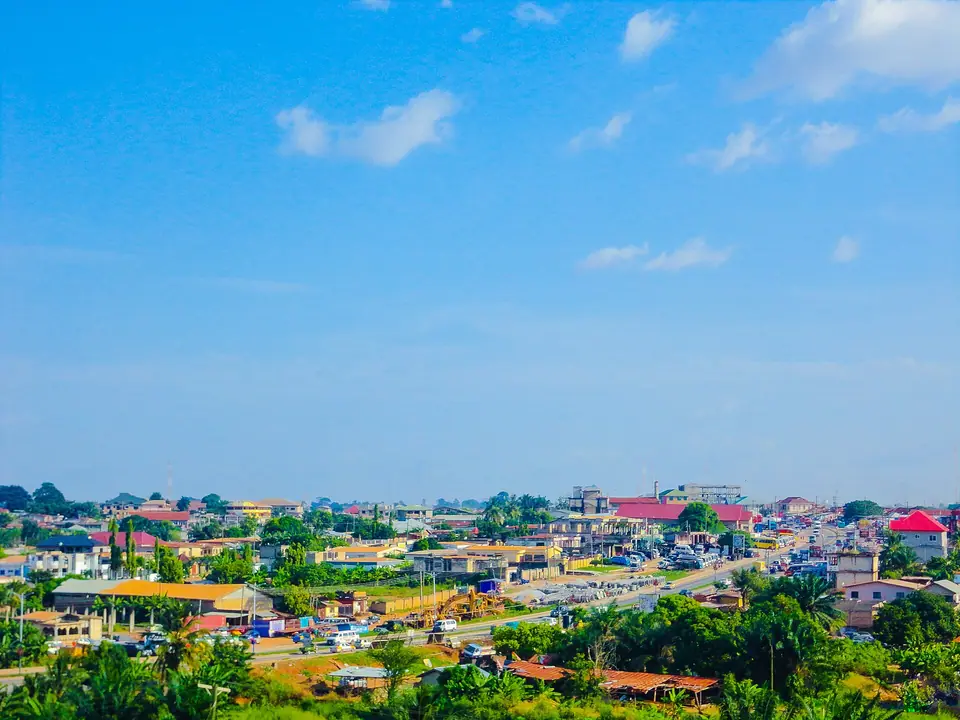
Kumasi Metropolitan is the Ashanti Region district at the heart of Ghana's second city. Most of its hotels cluster around Dakodwom, a short ride from Kejetia Market and the Manhyia Palace Museum.
IMPT Ghana editorial team · Reviewed 13 November 2026
At a glance
- Region
- Ashanti Region
- District
- Kumasi Metropolitan
- Airport
- Prempeh I International, about 5.3 km
- City centre
- Kejetia, about 1.8 km
Kumasi Metropolitan at a glance
Kumasi Metropolitan is an official district of Ashanti Region and takes in Kumasi, the regional capital. It is the busiest urban area in Ashanti and the natural base for touring the region: markets, royal buildings and dense street life sit within a few kilometres of one another, and most journeys between them are short. The centre is commercial and loud, with the market at Kejetia as its engine. The surrounding quarters are quieter, with gardens, school grounds and low-rise housing filling the space between the main roads.
Most of the district's hotels are grouped around Dakodwom, which keeps you within a short ride of the centre, Kejetia Market about 1.8 km away and the Manhyia Palace Museum about 2.8 km away. The cluster suits people who want to be near the city's business without sleeping on top of it, and it is easy to reach from the airport road. Quieter options sit further out along the main roads, where small hotels and guesthouses occupy residential streets and rooms tend to be larger.
The district suits first-time visitors to Ashanti who want the market, the museum and the palace within easy reach, as well as business travellers with meetings in the centre and people breaking a long road journey between the coast and the north. It is less useful for anyone hoping for a beach or a rural retreat, both of which lie hours away. Families often prefer the outer quarters, where streets are calmer and hotels have room for parking and gardens.
Neighbourhoods to know
The district is easiest to read in rings. At the centre sits the commercial core around Kejetia, where the market draws traders and buyers from across Ashanti and the surrounding streets stay busy from early morning. Just beyond it are the older quarters, including Manhyia, the royal seat, where the palace museum anchors the northern edge of the centre. Further out, the city loosens into residential suburbs, university streets and small towns with their own markets and a slower rhythm.
For a short visit, the practical choice is somewhere between Dakodwom and the centre: a few places are walkable in daylight and the rest are a short taxi ride away. Stays of a week or more often work better in the outer quarters, where hotels have gardens and parking and the nights are quieter. Wherever you book, ask about access, because side streets can be rough after heavy rain and some are unlit at night.
- Dakodwom: the main hotel cluster, a short ride from the centre and the market.
- Kejetia and Adum: the commercial core, useful if you want to be in the middle of things.
- Manhyia: the royal quarter, home to the palace museum and the crowds that gather for Akwasidae.
- The streets around the Kwame Nkrumah University of Science and Technology: quieter, with a student feel and everyday food nearby.
Tip: Ask whether a room faces the road: the main routes into the centre carry traffic late into the evening, and a courtyard-facing room is usually quieter.
Getting around and to the airport
Kumasi Metropolitan is not a walking district beyond the immediate centre. Trotros, the shared minibuses, run on fixed routes and are used by most residents, though they are crowded at peak times and the UK Foreign, Commonwealth and Development Office notes that their drivers are not centrally licensed. Taxis and ride-hailing apps are easier for visitors. In an ordinary taxi, agree the fare before setting off, and keep small notes to hand for the journey.
Prempeh I International Airport, usually shortened to KMS, sits about 5.3 km from the centre in a straight line, though the road route is longer and traffic can add time, so leave a margin. Kumasi handled more domestic flights than any other Ghanaian airport in 2025, a reminder of how busy the corridor is; schedules still change, so confirm timings before planning a connection. Long-distance coaches connect the city with other regional capitals on timetables that move, so check before you travel.
- Trotros: shared minibuses on fixed routes, frequent but crowded at peak hours.
- Taxis and ride-hailing apps: widely used, with fares agreed before you set off.
- Prempeh I International Airport (KMS): about 5.3 km from the centre in a straight line.
- Long-distance coaches: connections to Accra and other regional capitals, with schedules that change.
Tip: Avoid travelling outside towns after dark, as the UK FCDO advises, and build in time for the centre's traffic when heading to the airport.
What is nearby
Kejetia Market, about 1.8 km from the centre, is the district's great set piece, and the Ghana Tourism Authority calls it the largest open-air market in West Africa, a claim worth treating as a claim. Go early, keep valuables close and expect to be steered towards a particular stall. Manhyia Palace Museum, about 2.8 km away, holds Asante royal regalia and gold work, with effigies of past kings including Prempeh I and of Yaa Asantewaa. Both are easy taxi rides from the Dakodwom cluster.
Akwasidae, the Asante festival held at Manhyia, falls on a Sunday every six weeks rather than in a fixed month, so check the date before you plan a trip. Beyond the city, Bonwire, about 20.7 km away, is a long-established kente weaving centre, and Adanwomase is the other royal weaving village. Lake Bosomtwe, Ghana's only true natural inland lake and a UNESCO biosphere reserve, makes a longer day out for anyone with a car and a free afternoon.
Where and what to eat
Eating in the district is mostly about the southern staples: cassava and plantain, with yam, maize and beans alongside. Fufu, banku and kenkey appear on most local menus, next to jollof rice and the tomato and pepper soups and stews that underpin a Ghanaian meal. Kenkey comes in Ga and Fante versions, and the difference is worth trying at least once. Chop bars, roadside grills and hotel restaurants all serve these dishes, at very different speeds and settings.
Breakfast is often a simple affair of porridge, bread and eggs, with fruit from the market. At lunch and dinner, portions are generous and pepper levels vary, so ask for less heat if you need it; a kitchen will usually oblige. Vegetarian choices in local kitchens are narrower than in hotel dining rooms, though bean stews, fried plantain and rice dishes are easy to find. Busy places with a fast turnover are a sensible bet, and bottled or filtered water is the usual choice for visitors.
Where to stay
Hotels in Kumasi
25 stays with a guest score or a four- or five-star rating in the IMPT database, five-star first, then four-star, then the rest by the booking supplier's guest score. Prices and availability are live in the IMPT app.
★★★★ 4-star ★★★★ 4-star
 ★★★★ 4-star
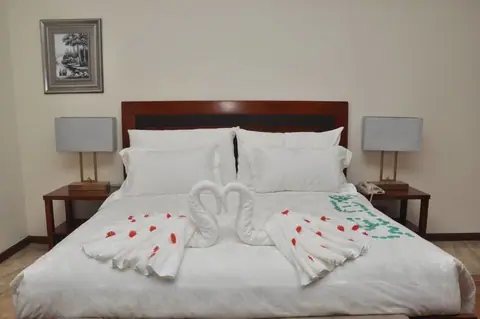 ★★★ 3-star
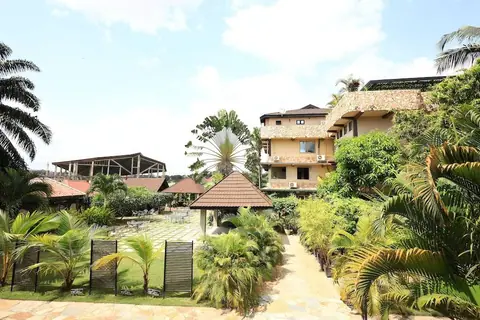 ★★★ 3-star
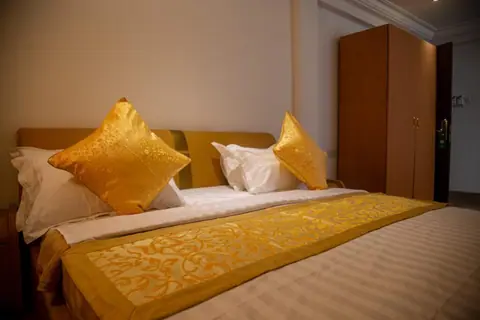 ★★ 2-star
 ★★★ 3-star
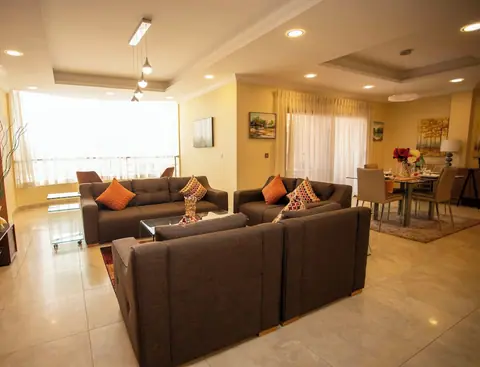 ★★★ 3-star
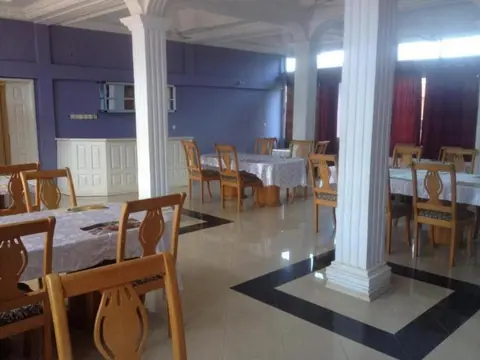 ★ 1-star
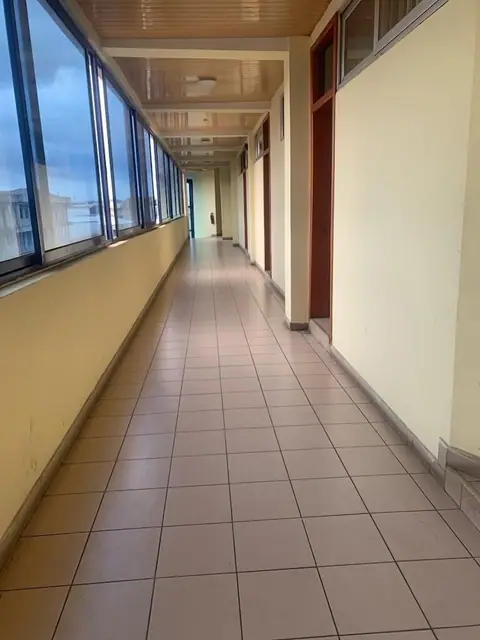 ★★★ 3-star
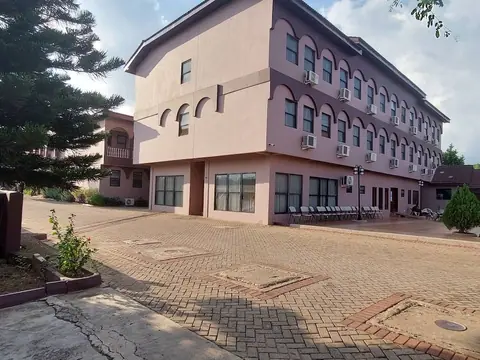 ★★★ 3-star
 ★ 1-star
 ★★★ 3-star
 ★★★ 3-star
 ★★★ 3-star
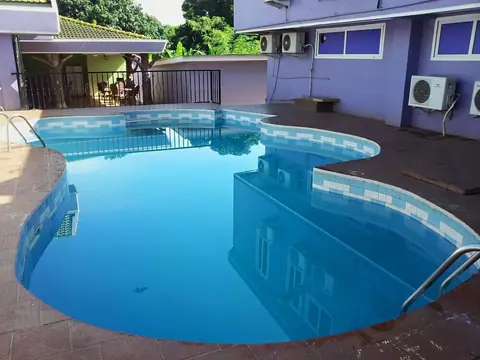 ★★★ 3-star
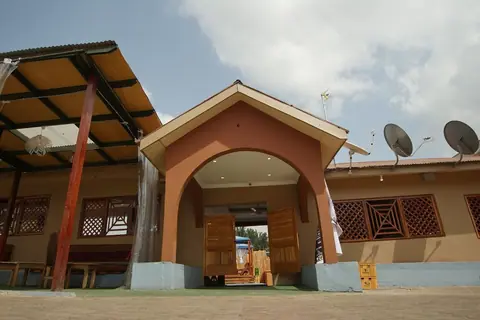 ★★ 2-star
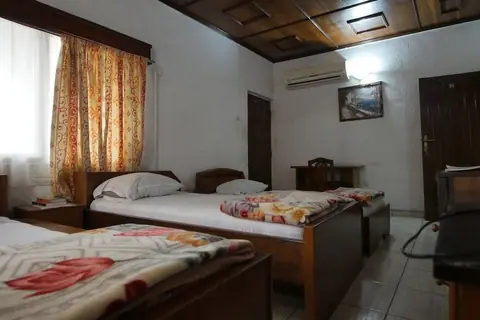 ★★ 2-star
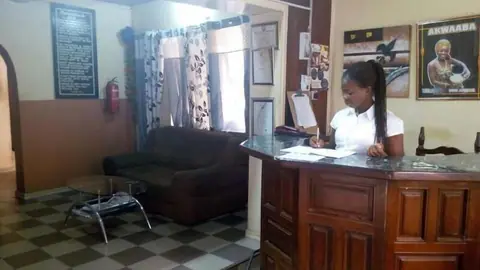 ★★★ 3-star
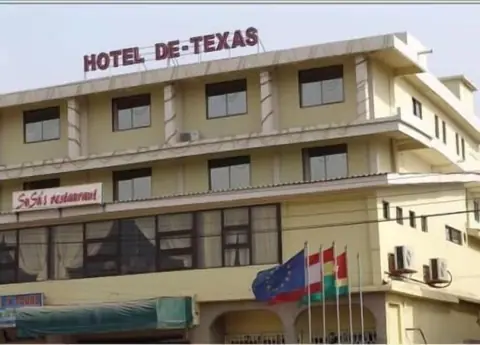 ★★ 2-star
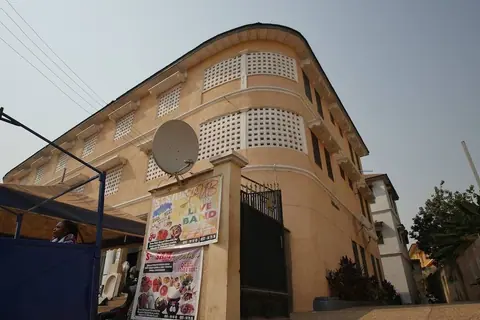 ★★ 2-star
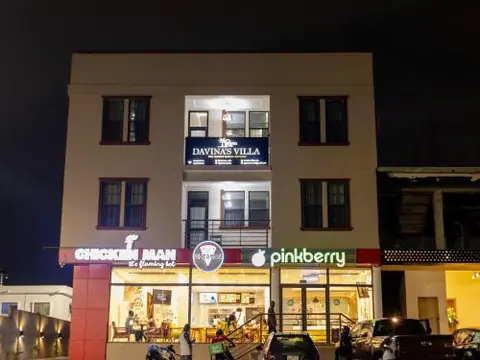
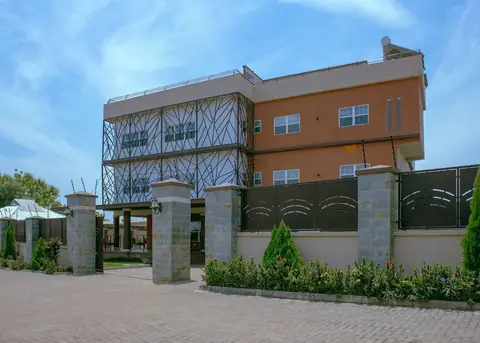
Kumasi, Ashanti Region: questions
Where do most hotels in Kumasi Metropolitan cluster?
Most of them sit around Dakodwom, a quarter within a short ride of the centre. From there, Kejetia Market is about 1.8 km away and the Manhyia Palace Museum about 2.8 km away. The area works well for a short stay, with food, shops and transport within easy reach.
How far is Prempeh I International Airport from Kumasi Metropolitan's centre?
The airport, usually known as KMS, is about 5.3 km from the centre in a straight line. The road route is longer, and traffic in the centre can add time, so leave a margin before a flight. Domestic schedules change, so confirm your timings before you set out.
Which sights are close to a hotel in Kumasi Metropolitan?
Kejetia Market is about 1.8 km from the centre and the Manhyia Palace Museum about 2.8 km, both an easy taxi ride from the Dakodwom hotel cluster. Bonwire, the kente weaving village, is about 20.7 km away, which makes it a longer outing rather than a quick stop, so plan it for a morning.
When is Akwasidae held at Manhyia Palace in Kumasi Metropolitan?
Akwasidae has no fixed month. It falls on a Sunday every six weeks, so the date moves through the year. Check the current schedule before planning a visit, since the roads around Manhyia are busier on the day, and opening arrangements at the palace museum can vary.
How do you get around Kumasi Metropolitan without a car?
Trotros, the shared minibuses, run on fixed routes and are used by most residents, though they are crowded at peak times and their drivers are not centrally licensed. Taxis and ride-hailing apps are easier for visitors. In an ordinary taxi, agree the fare before setting off, and avoid travelling outside towns after dark.
What is the weather like in Kumasi Metropolitan?
The city sits in the forest belt of southern Ghana, so it is humid for much of the year. The south has two rainy seasons, roughly April to June and September to November, and the harmattan brings dry, dusty air from about December to March. Check the forecast before you pack.
What should you eat during a stay in Kumasi Metropolitan?
Look for fufu, banku, kenkey, jollof rice and the tomato and pepper soups and stews served across the city. Cassava and plantain are the southern staples, with yam, maize and beans alongside. Chop bars, roadside grills and hotel restaurants all serve these dishes, and kitchens will usually tone down the pepper if you ask.
What entry paperwork do you need before travelling to Kumasi Metropolitan?
A yellow fever vaccination certificate is required on entry to Ghana. Visa rules depend on your nationality: some travellers enter visa-free, others request a free Electronic Travel Authorisation, and the rest need an eVisa. Check the official immigration portal's eligibility checker before booking, and confirm the current rules before you fly.
Read next
Hotels in Kwadaso, Ashanti RegionKwadaso Municipal is a district of Ashanti Region on the edge of Kumasi, with most of its hotels around Ahodwo. Here is how the area works as a base, and what lies within easy reach.Hotels in Oforikrom, Ashanti RegionOforikrom is a district of Ashanti Region on the northern side of Kumasi, with most of its hotels around Anwomaso. It suits travellers who want quiet nights and short runs into the city.Hotels in Ejisu, Ashanti RegionEjisu is a district of Ashanti Region with a quiet, spread-out feel and most of its places to stay clustered around Asempaneye. It suits travellers who want Kumasi and Bonwire within easy reach.
IMPT Ghana editorial team · Reviewed 13 November 2026. Hotels are placed by their own map pin inside Ghana's official district boundaries (Ghana Statistical Service). Facts checked against the Ghana Tourism Authority (visitghana.com), the Ghana Immigration Service and other official sources listed in our editorial policy. Prices are never shown: live rates open in the IMPT app.
Find a stay in Kumasi
Photo credits: Maven Egote, CC BY-SA 4.0, via Wikimedia Commons.