 ★★★★ 4-star
Hotels · Ashanti Region
Hotels in Kwadaso, Ashanti Region
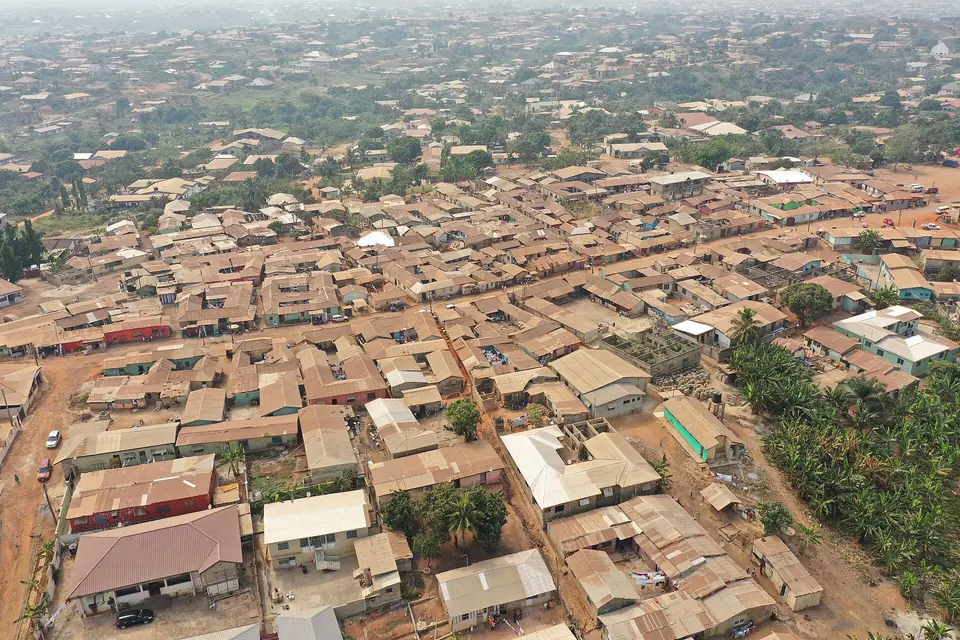
Kwadaso Municipal is a district of Ashanti Region on the edge of Kumasi, with most of its hotels around Ahodwo. Here is how the area works as a base, and what lies within easy reach.
IMPT Ghana editorial team · Reviewed 13 November 2026
At a glance
- Region
- Ashanti Region
- District
- Kwadaso Municipal
- Airport
- Prempeh I International, 8 km
- Kumasi centre
- Kejetia, 4.2 km
Kwadaso at a glance
Kwadaso Municipal is one of the districts of Ashanti Region, set on the western edge of Kumasi. Few visitors come for the district itself. They come for a bed in a quieter, greener part of the city, with the centre a short drive away. Most of the hotels in Kwadaso sit around Ahodwo. Kejetia Market is about 4.2 km away in a straight line and Manhyia Palace Museum about 5.3 km. Prempeh I International Airport, Kumasi, is about 8 km away, which suits early departures.
The district has the shape of a Kumasi suburb rather than a separate town. Low-rise houses stand behind walled compounds, small shops line the junctions and workshops open onto the roadside. Mornings bring schoolchildren, traders and deliveries; evenings are quiet. Hotels here range from simple guesthouses to larger properties with restaurants and gardens, and the choice changes, so read what each place offers before booking. The boundary with Kumasi is not obvious on the ground, and many addresses use the city's name. Traffic builds quickly on the approach roads during the working day.
Tip: Confirm whether a property sits in Ahodwo itself or further along the Kwadaso road, and ask about parking, backup power and breakfast before you book.
Neighbourhoods and towns
Ahodwo holds most of the hotels in Kwadaso and sets the tone for a stay. It is a residential quarter of villas, walled compounds and small shopping streets, close to the main roads into Kumasi. Nights are quiet and mornings are busy with commuters. Because the city centre and the airport are both a short drive away, you can base yourself here and travel out each day rather than changing hotels. Check the exact position of an address, because the neighbourhoods run into one another without clear edges.
Kwadaso town sits at the heart of the municipality, with offices, everyday shops and the transport connections a district centre carries. It feels more workaday than Ahodwo. Between the two are residential streets with churches, schools and small food places, and the junctions fill with trotros and taxis at commuting times. If you want shops and transport within walking distance, the centre of Kwadaso serves better. If you want quiet, look to the side streets behind Ahodwo and towards the district's outer roads.
- Ahodwo: most of the district's hotels are here, on quiet residential streets.
- Kwadaso town: the busy heart of the municipality, with shops and transport connections.
- Side streets behind Ahodwo: quieter addresses, still close to the main roads.
- Main-road junctions: where trotros and taxis stop for journeys into Kumasi.
- The Kumasi boundary: the district runs into the city, so addresses can be confusing.
Who should stay here
Kwadaso suits visitors who want a calm place to sleep and do not mind driving into Kumasi for its markets and museums. Business travellers with meetings in the city's western districts, families who want space and anyone with their own vehicle will find it practical. It also works for a first or last night near the airport. Guests who like to walk everywhere should weigh the distances first, because the district is spread out and pavements are uneven in places.
The district is less suitable if you want to step out of a hotel into restaurants, bars and sightseeing. Central Kumasi puts Kejetia Market and Manhyia Palace Museum within walking range for some visitors, while Kwadaso places them a short drive away. Travellers without a car need to be comfortable with taxis, ride-hailing or trotros, particularly after dark. Anyone with an early flight should build in time for traffic on the way to the airport, which can be heavy at peak hours.
Getting around and the airport
Kwadaso is served by shared minibuses known as trotros, by taxis and by ride-hailing apps, with stops and ranks at the main junctions. The UK Foreign, Commonwealth and Development Office notes that trotro drivers are not centrally licensed, so choose your vehicle with care and avoid overcrowded ones. Agree the fare with the driver before a taxi or ride-hailing trip begins. Straight-line distances are short, about 4.2 km to Kejetia and 8 km to the airport, but road routes are longer and traffic can stretch them considerably.
For the airport, allow generous time. Morning and late afternoon are the busiest periods on Kumasi's roads, and the run can take far longer than the distance suggests. Prempeh I International Airport, Kumasi, handles domestic and international flights. Airport data reported in September 2026 showed Kumasi with the most domestic flights of any Ghanaian airport in 2025, ahead of Tamale and Takoradi. Schedules change, so confirm your flight with the airline and leave a margin for the transfer.
- Trotros: shared minibuses running fixed routes, frequent during the day.
- Taxis: available at junctions and by phone, with the fare agreed first.
- Ride-hailing apps: useful for booked trips and airport runs.
- Airport: Prempeh I International Airport, Kumasi, about 8 km in a straight line.
- Walking: possible on quieter side streets, less so along the main roads.
Tip: The UK Foreign, Commonwealth and Development Office advises against road travel outside towns after dark. Plan airport runs and evening trips for daylight where you can, and check current advice before you travel.
Eating and nearby sights
Three well-known sights are close. Kejetia Market is about 4.2 km away, a vast trading ground that the Ghana Tourism Authority describes as the largest open-air market in West Africa. Manhyia Palace Museum, about 5.3 km away, holds Asante royal regalia, gold work and effigies of past kings, including Prempeh I and Yaa Asantewaa. Bonwire, a leading kente-weaving centre, is about 23.5 km away, and Adanwomase is the other royal weaving village. For Kejetia, go with a guide or a local contact if the scale feels overwhelming.
Eating around Kwadaso is mostly local and informal. Chop bars serve plate meals through the day, roadside grills fire up in the evening, and small restaurants and takeaways cover rice, chicken and soup. Larger hotels run their own kitchens and menus. Portions are generous and dishes are often shared at the table. Vegetarian choices exist but can be limited, so ask what is available. Tap water is not usually drunk by visitors; bottled and sachet water is sold widely. Food is eaten with the right hand or with cutlery, according to the setting.
The staples of southern Ghana are cassava and plantain, with yam, maize and beans eaten nationwide. Fufu, banku and kenkey are the familiar starches, served with tomato and pepper soups or stews, often with fish or chicken. Jollof rice appears at lunch and at celebrations. Kenkey comes in Ga and Fante versions and is usually eaten with ground pepper and fish. If a dish is new to you, say so; servers and cooks are used to explaining what goes with what.
Where to stay
Hotels in Kwadaso
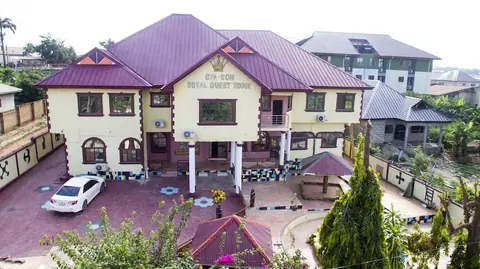
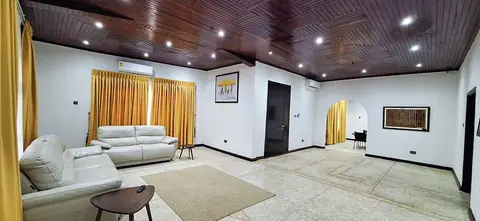
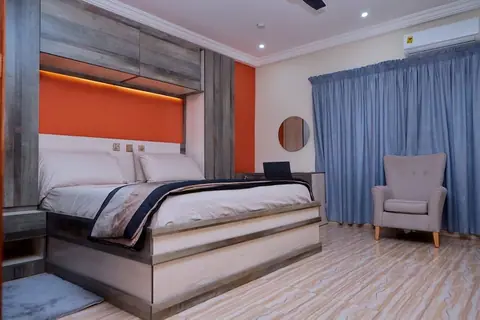
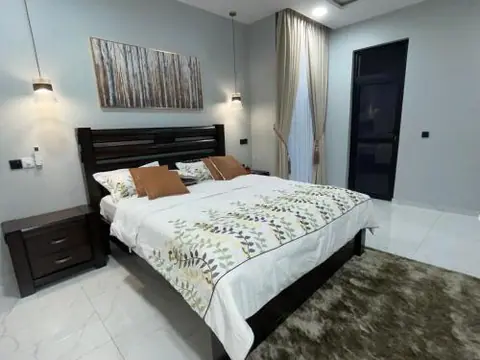
18 stays with a guest score or a four- or five-star rating in the IMPT database, five-star first, then four-star, then the rest by the booking supplier's guest score. Prices and availability are live in the IMPT app.
★★★★ 4-star ★★★ 3-star
 ★★ 2-star
 ★★★ 3-star
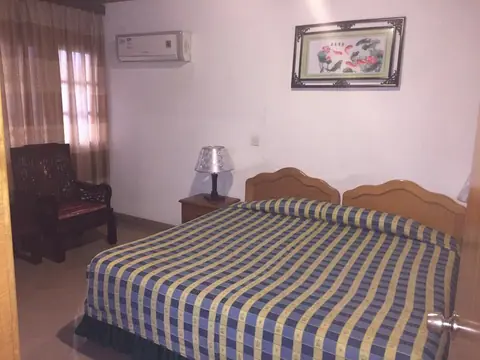 ★★★ 3-star
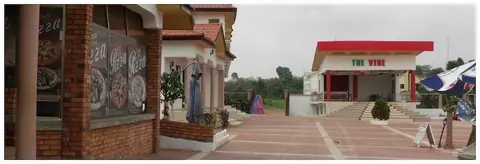 ★★★ 3-star
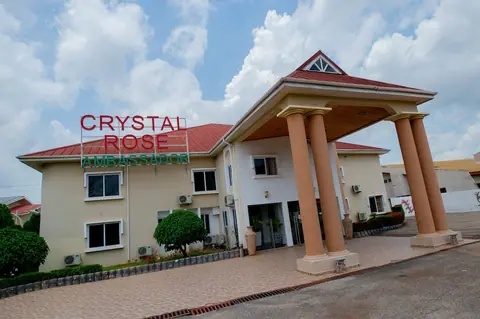 ★★★ 3-star
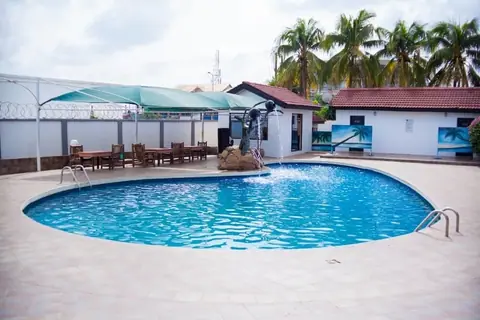 ★★★ 3-star
 ★★★ 3-star
 ★★ 2-star
 ★★ 2-star
 ★★ 2-star
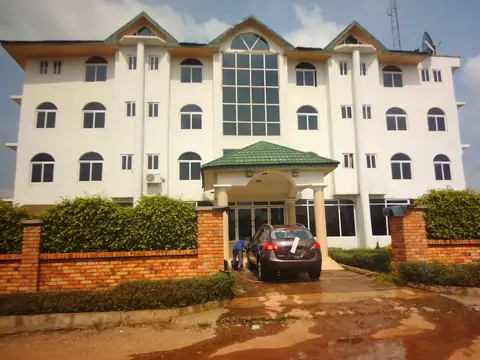 ★★★ 3-star
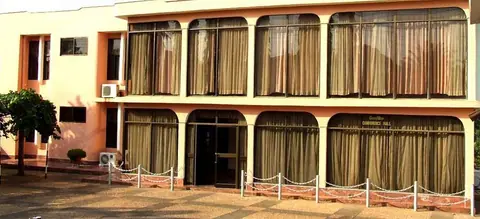 ★★★ 3-star
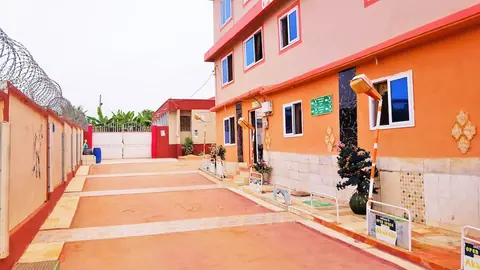 ★★★ 3-star
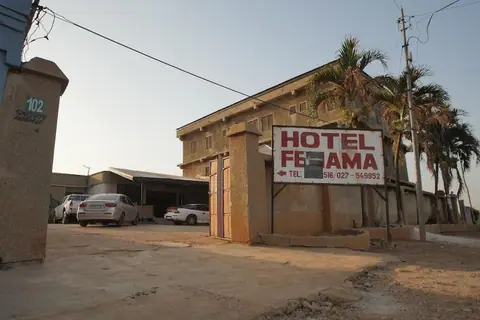 ★ 1-star
 ★★ 2-star
More places to stay
Further listings in the IMPT database with fewer details from the booking supplier (no guest score yet). Check them on the property's page before you book.
Kwadaso, Ashanti Region: questions
Where are the hotels in Kwadaso found?
Most of them are in Ahodwo, a residential quarter of villas, walled compounds and small shopping streets. A few sit nearer Kwadaso town and the main roads into Kumasi. The two areas are close together, so the choice usually comes down to whether you want quiet side streets or shops and transport within walking distance.
How far is Kwadaso from Kumasi city centre?
Kejetia Market in central Kumasi is about 4.2 km from Kwadaso in a straight line, and Manhyia Palace Museum about 5.3 km. Road routes are longer and journey times depend heavily on traffic, which builds at the start and end of the working day. Allow extra time for any appointment in the centre.
How do you get from Kwadaso to the airport?
Prempeh I International Airport, Kumasi, is about 8 km away in a straight line. Taxis, ride-hailing apps and pre-arranged transfers cover the run, and the road route takes longer than the distance suggests. Traffic is heaviest in the morning and late afternoon. Leave a generous margin and confirm the flight time with your airline.
Can you stay in Kwadaso without a car?
Yes, though you will rely on trotros, taxis and ride-hailing. Trotro stops and taxi ranks sit at the main junctions, and drivers are used to hotel runs. The UK Foreign, Commonwealth and Development Office notes that trotro drivers are not centrally licensed, and it advises against road travel outside towns after dark.
What is there to see near Kwadaso?
Kejetia Market is about 4.2 km away and Manhyia Palace Museum about 5.3 km. Bonwire, a leading centre of kente weaving, is about 23.5 km away, with Adanwomase as the other royal weaving village. All three work as day trips from a base in Kwadaso, and each repays a slower visit than a quick stop.
What food is available around Kwadaso?
Expect local cooking: chop bars, roadside grills in the evening, and small restaurants and takeaways serving rice, chicken and soup. Fufu, banku and kenkey are the familiar starches, usually with tomato and pepper soups or stews. Hotel kitchens offer their own menus. Vegetarian choices exist but can be limited, so ask what is available.
When is a good time to stay in Kwadaso?
Kumasi lies in southern Ghana, where the rains come roughly from April to June and from September to November. The harmattan, a dry and dusty wind, blows roughly from December to March. Any month can work, but check the forecast and the festival calendar before booking, since dates for both shift from year to year.
Do festivals affect a stay in Kwadaso?
Akwasidae, the Asante festival at Manhyia Palace in Kumasi, falls on a Sunday every six weeks and draws crowds, so rooms can fill. Other observances, including Homowo in Greater Accra and Fetu Afahye in Cape Coast, are further away. Dates move each year, so check the current calendar with the Ghana Tourism Authority before booking.
Read next
Hotels in Kumasi, Ashanti RegionKumasi Metropolitan is the Ashanti Region district at the heart of Ghana's second city. Most of its hotels cluster around Dakodwom, a short ride from Kejetia Market and the Manhyia Palace Museum.Hotels in Oforikrom, Ashanti RegionOforikrom is a district of Ashanti Region on the northern side of Kumasi, with most of its hotels around Anwomaso. It suits travellers who want quiet nights and short runs into the city.Hotels in Ejisu, Ashanti RegionEjisu is a district of Ashanti Region with a quiet, spread-out feel and most of its places to stay clustered around Asempaneye. It suits travellers who want Kumasi and Bonwire within easy reach.
IMPT Ghana editorial team · Reviewed 13 November 2026. Hotels are placed by their own map pin inside Ghana's official district boundaries (Ghana Statistical Service). Facts checked against the Ghana Tourism Authority (visitghana.com), the Ghana Immigration Service and other official sources listed in our editorial policy. Prices are never shown: live rates open in the IMPT app.
Find a stay in Kwadaso
Photo credits: JoniVideography, CC BY-SA 4.0, via Wikimedia Commons.