
Planning what to do in Ghana
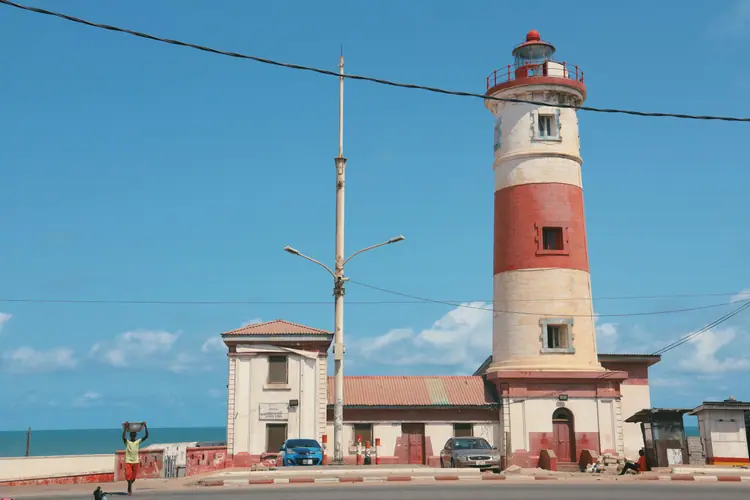
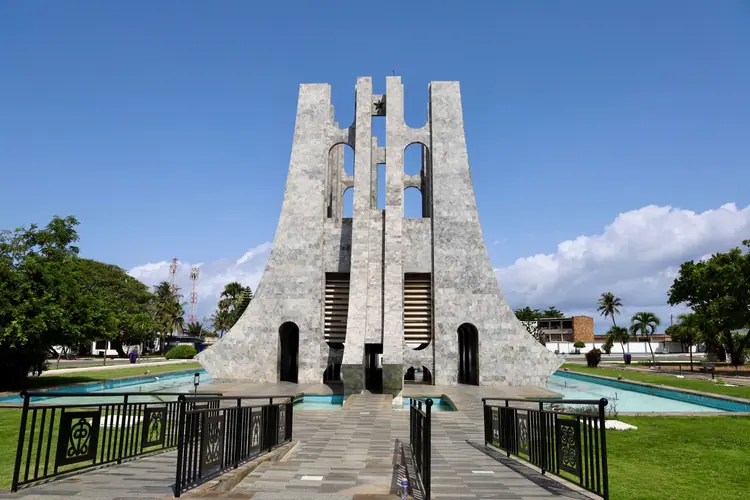
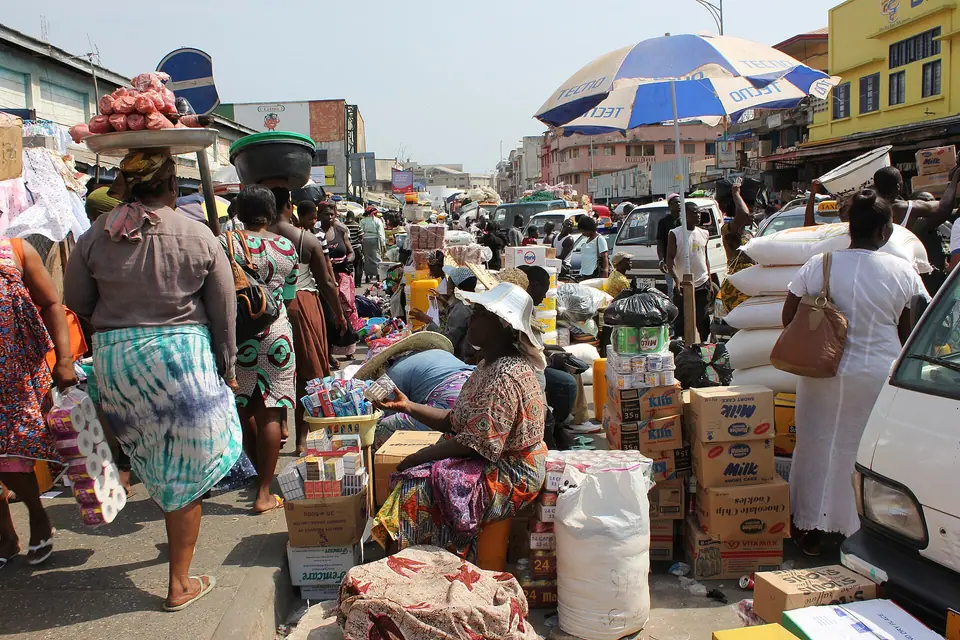
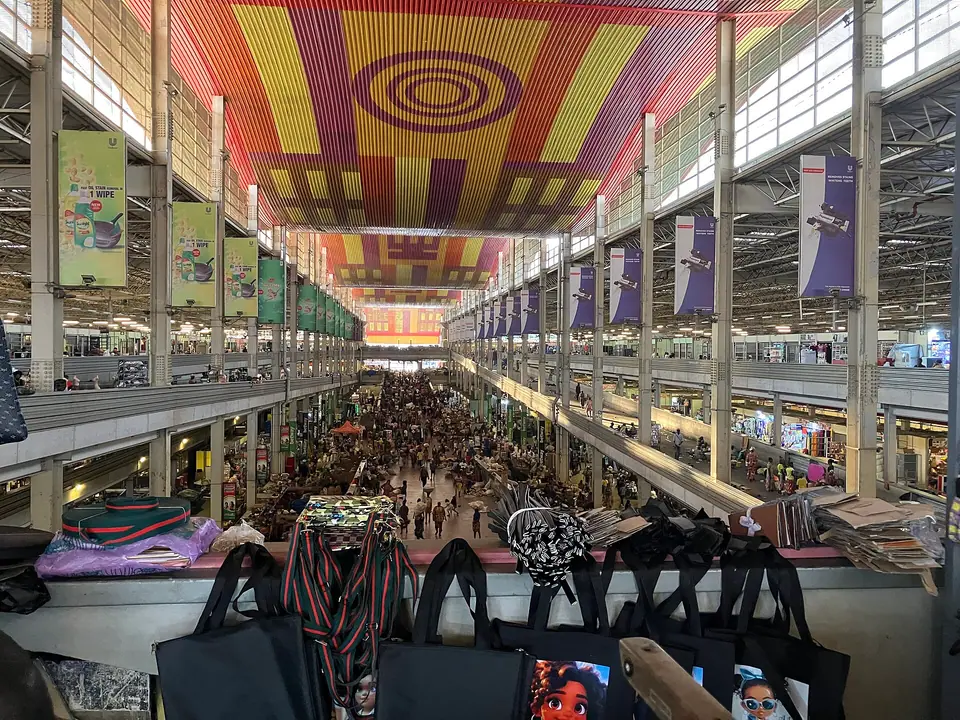
Ghana’s headline sights sit in three clusters. The Central Region coast holds Cape Coast Castle, Elmina Castle and Kakum National Park within 45 minutes of each other — the single most rewarding two or three days in the country. Accra has Jamestown, the Nkrumah Memorial Park and Makola Market. Kumasi and its craft villages fill another two days, and the Volta Region and Mole each need a dedicated detour.
| Experience | Region | Time | Best time of day |
|---|---|---|---|
| Kakum canopy walkway | Central | Half day | Opening time |
| Cape Coast Castle | Central | 2 hours | Morning |
| Elmina Castle | Central | 1.5 hours | Late afternoon |
| Jamestown walk | Accra | 3 hours | Late afternoon |
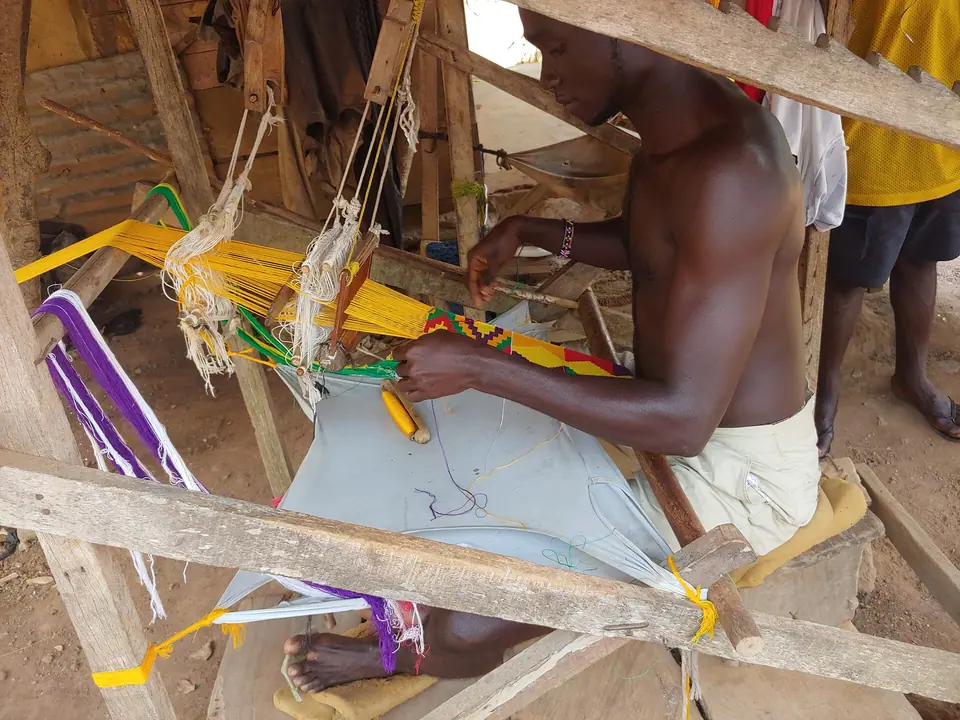
| Bonwire kente | Ashanti | Half day | Weekday morning |
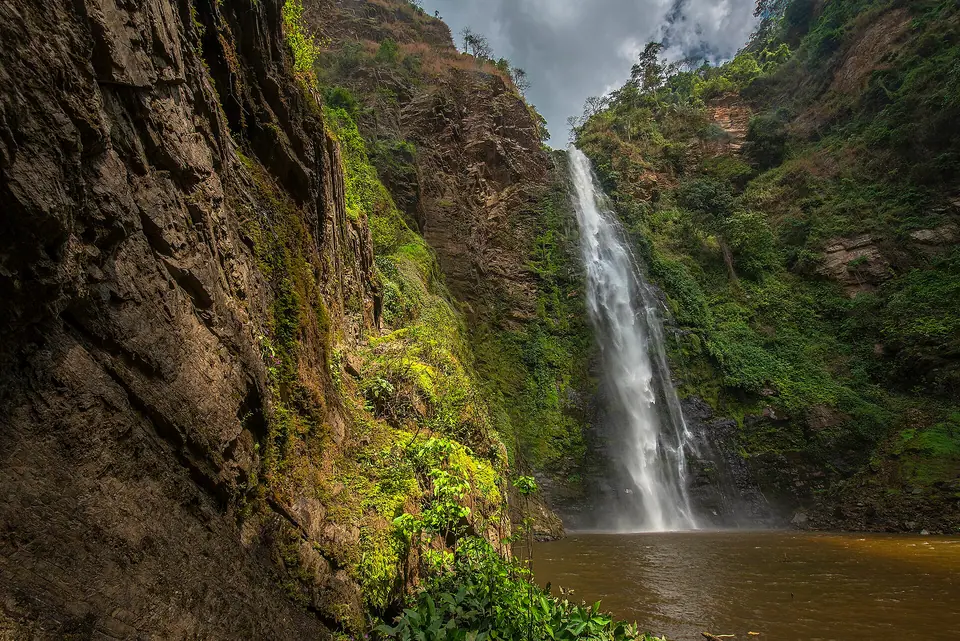
| Wli Falls | Volta | Half day | Morning |
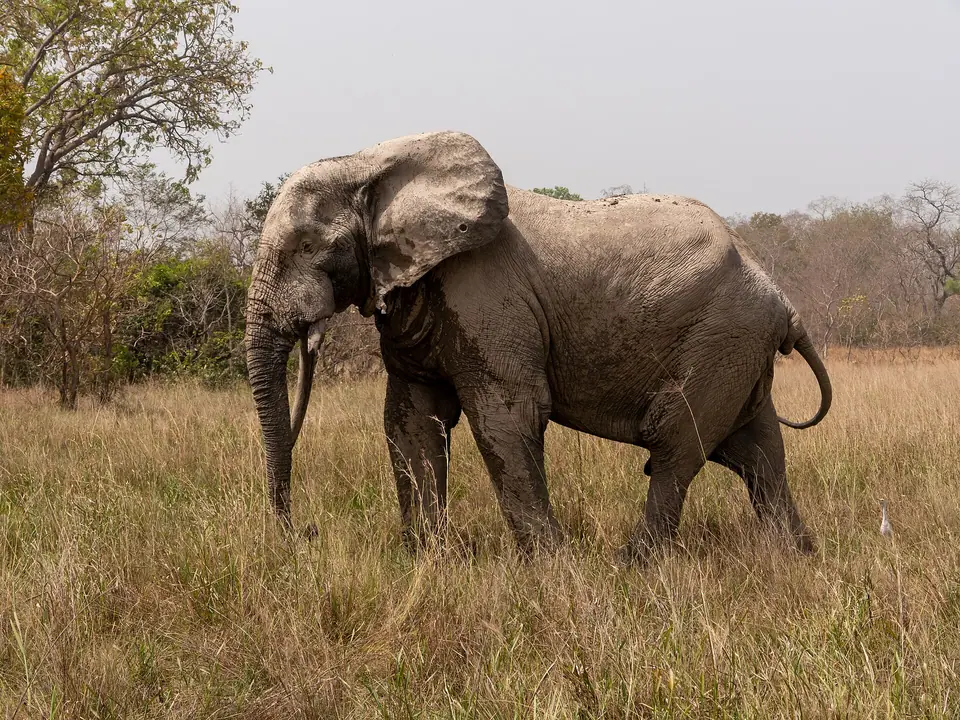
| Mole safari | Northern | 2 days | Dawn |
Visiting the slave castles respectfully
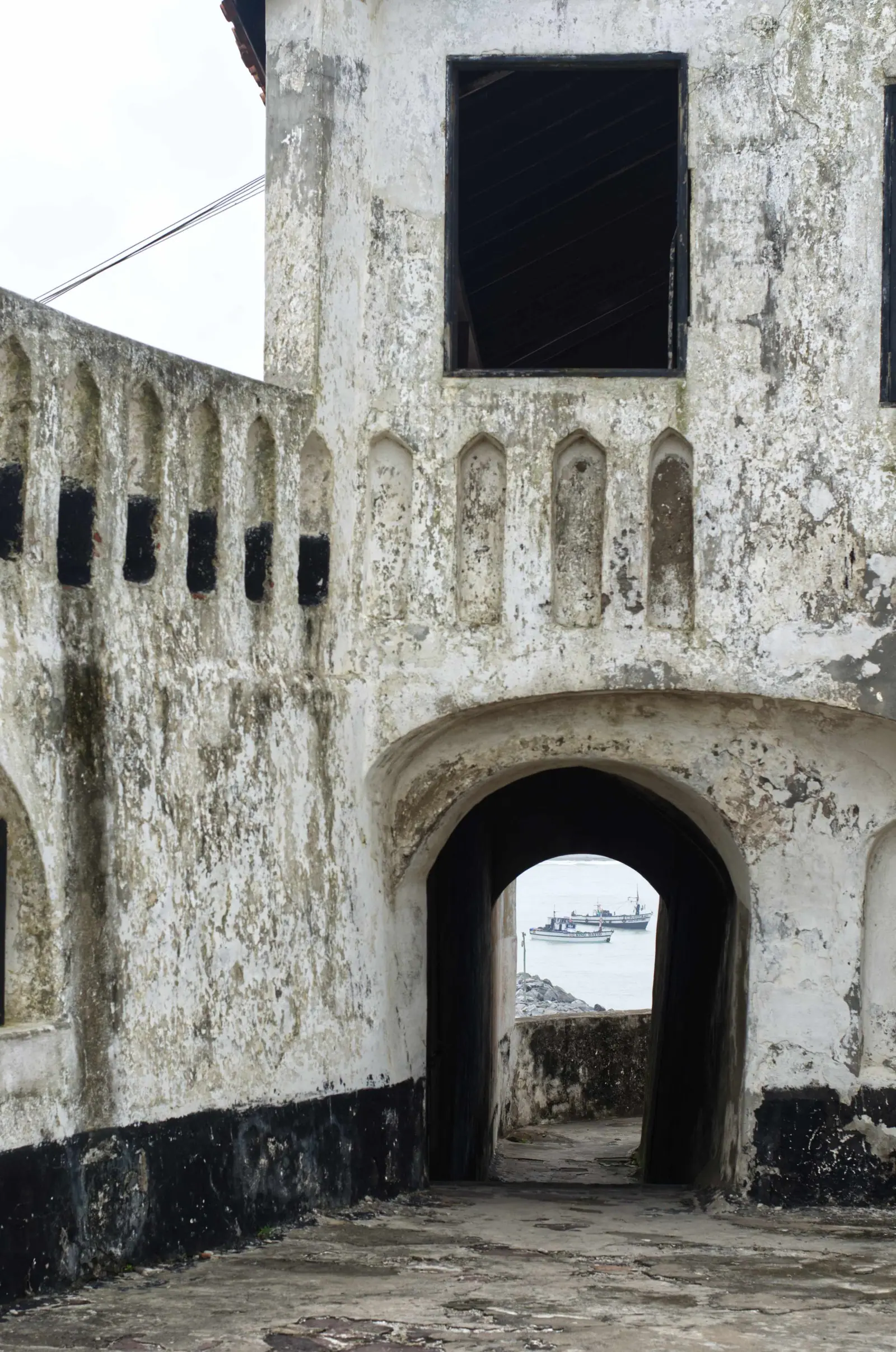
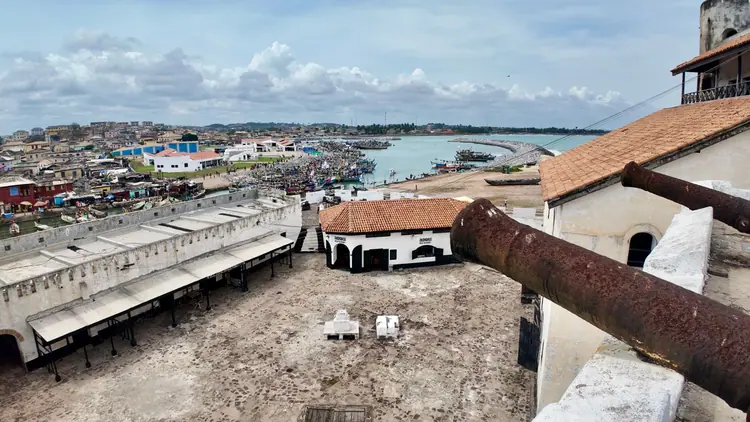
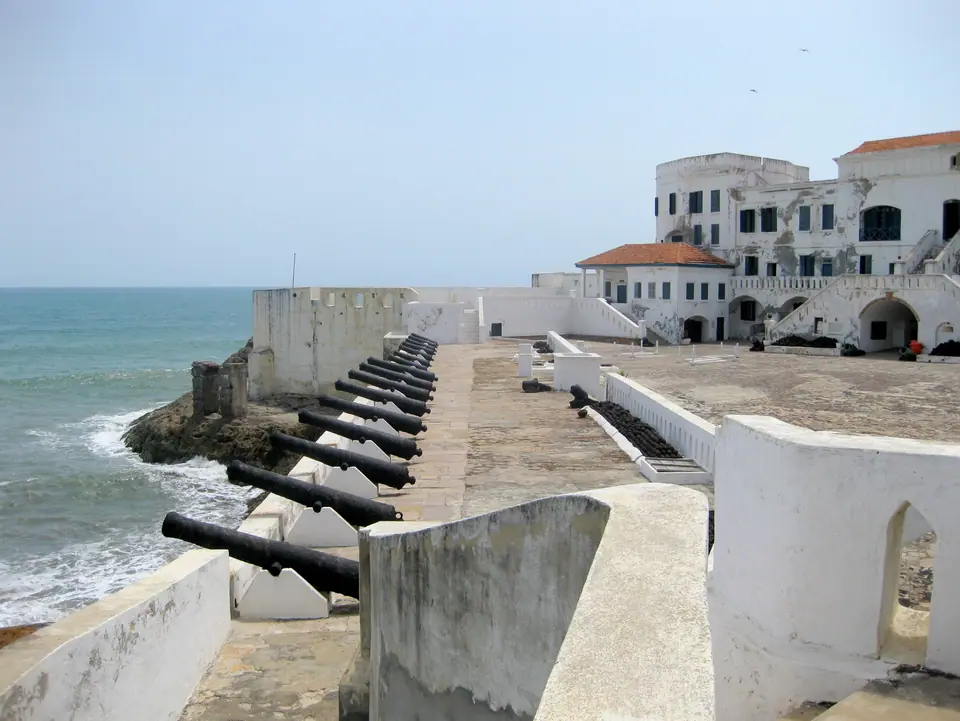
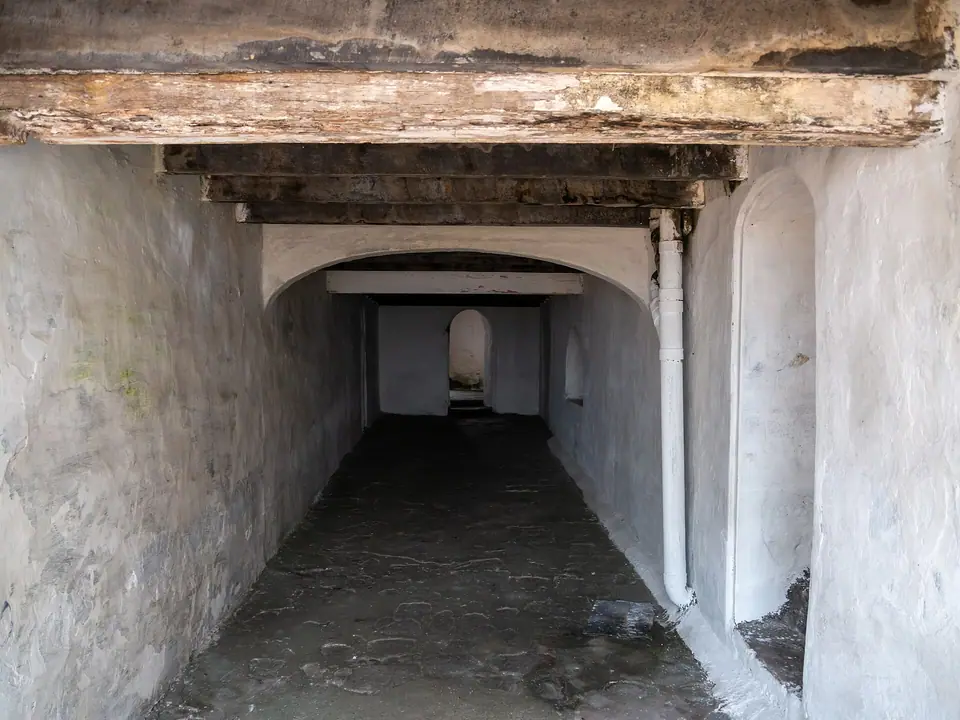
Cape Coast and Elmina castles are memorials as much as museums. Tours run regularly through the day and are led by guides; allow time to sit with what you have seen afterwards. Many visitors of African descent come to reconnect with their history, and ceremonies sometimes take place inside — follow your guide’s lead and keep photography respectful.
Booking and paying
Most sights charge a gate fee in cedis, with a higher rate for foreign visitors than for Ghanaian residents. Carry small notes and mobile money; card machines are not reliable outside Accra. Guides at markets and craft villages expect a tip, agreed in advance.
Frequently asked questions
What is the number one thing to do in Ghana?
Most visitors rate Cape Coast Castle and the Kakum canopy walkway, both in the Central Region and easy to combine in a day.
Can I visit Cape Coast and Elmina castles in one day?
Yes. They are 15 km apart; do Cape Coast in the morning and Elmina in the afternoon.
Where can I see elephants in Ghana?
Mole National Park in the north, reached by flying to Tamale and driving about two to three hours.
Where can I watch kente being woven?
Bonwire, around 30 km north-east of Kumasi, has weavers working on traditional looms.
Which historic sites should you see in Ghana?
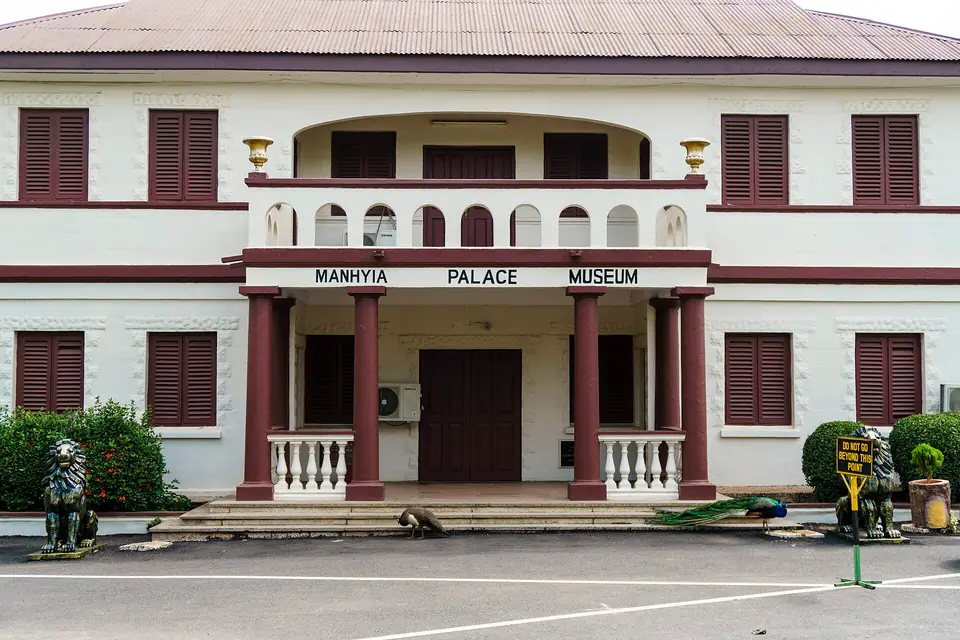
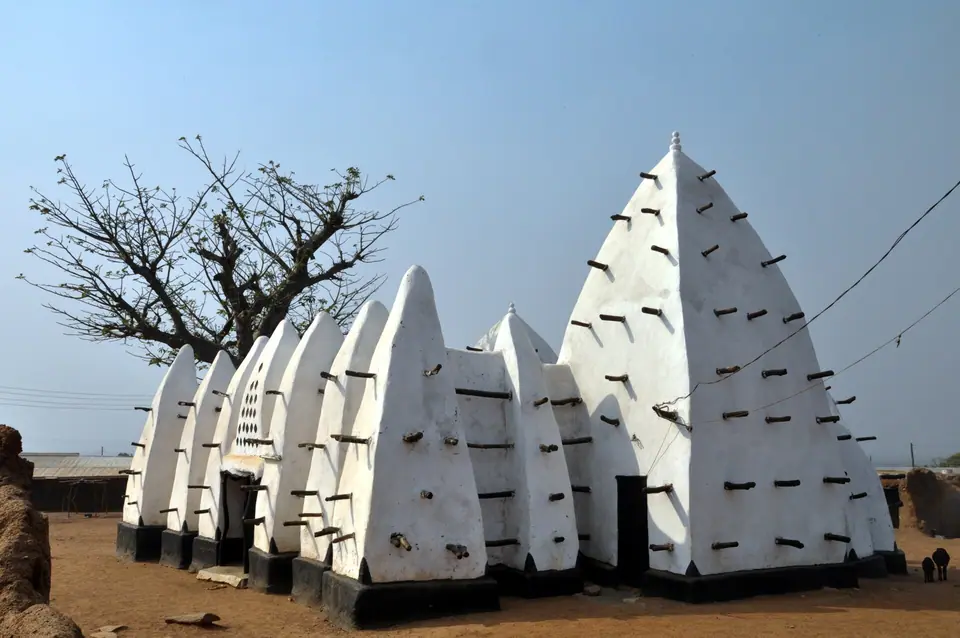
Cape Coast Castle and Elmina Castle anchor any history trail, both part of a UNESCO World Heritage site listed in 1979. In Accra, the Kwame Nkrumah Memorial Park holds the mausoleum and a museum. Kumasi's Manhyia Palace Museum shows Asante royal regalia, and Larabanga Mosque in the Savannah Region is thought to be the oldest in the country.
Which national parks and reserves in Ghana suit wildlife lovers?
Kakum National Park in the Central Region has a 333 m canopy walkway on seven suspension bridges and records over 300 bird species. Mole National Park covers 4,577 km² of Guinea savannah and holds Ghana's most viable elephant population. Near Accra, Shai Hills Resource Reserve offers savanna and wildlife within easy reach of the city.
When should you plan a trip to Ghana around its festivals?
Festival dates move each year, so check the gazetted calendar before booking. Aboakyer in Winneba falls in May, Homowo in Greater Accra runs through August and September, and Fetu Afahye in Cape Coast is a September event. Hogbetsotso at Anloga comes in November. Akwasidae at Manhyia Palace falls on a Sunday every six weeks, with no fixed month.
What can you see in Ghana on a short trip from Accra?
Start downtown at the Kwame Nkrumah Memorial Park and the red-and-white Jamestown Lighthouse, then walk Makola Market on Kojo Thompson Road. Shai Hills Resource Reserve is about 50 km away and GTA calls it the nearest wildlife sanctuary to the capital. Aburi Botanical Gardens, open since 1890, is roughly an hour's drive.
Which dishes should you try on a food trip in Ghana?
In the south, cassava and plantain dominate, while millet and sorghum are staples in the north. Yam, maize and beans appear across the country. Look for fufu, banku and kenkey, the fermented maize served in Ga and Fante versions, plus jollof rice and soups or stews built on tomato and pepper.
What water-based sights can you visit in Ghana?
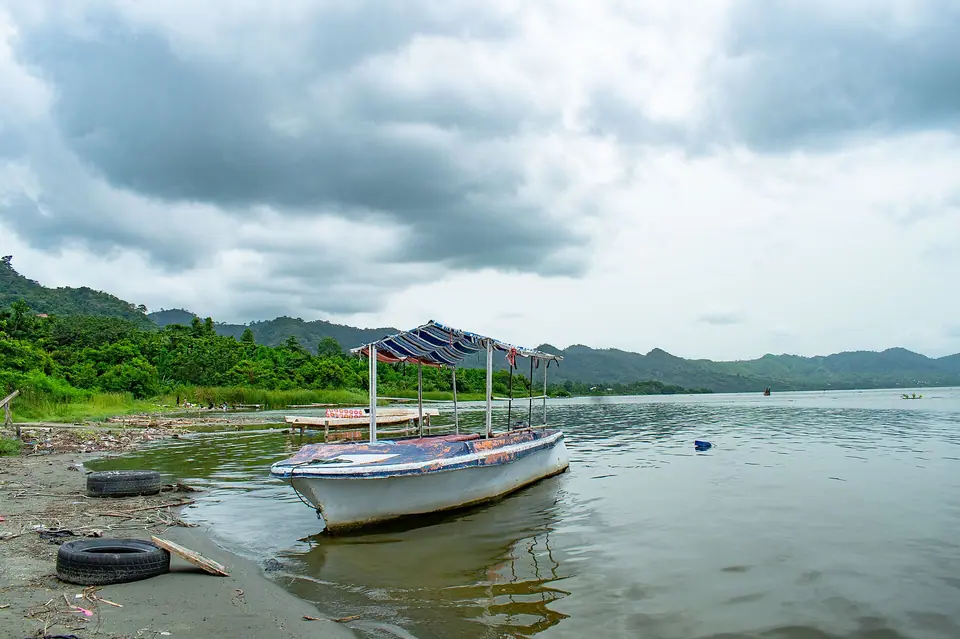
Wli (Agumatsa) Falls near Hohoe has lower and upper falls with fruit bats on the cliffs, and lies about 280 km from Accra. Boti Falls, 17 km north-east of Koforidua, is a seasonal twin waterfall reached down 250 steps. Lake Volta, formed by the Akosombo Dam in 1965, offers cruises and trips to Dodi Island.
IMPT Ghana editorial team · Reviewed 4 November 2026. Photos via Pexels.
Find a stay in Ghana
Photo credits: Kevin Quarshie on Pexels; Owoahene Photography on Pexels; Rjruiziii, CC BY-SA 3.0, via Wikimedia Commons; Matti Blume, CC BY-SA 4.0, via Wikimedia Commons; Ana Kenk on Pexels; Benggriff, CC BY-SA 3.0, via Wikimedia Commons; Dan Sloan, CC BY-SA 2.0, via Wikimedia Commons; Afus199620, CC0, via Wikimedia Commons; Sadads, CC BY-SA 4.0, via Wikimedia Commons; Kradolferp, CC BY-SA 4.0, via Wikimedia Commons; Sathyan Velumani, CC BY-SA 3.0, via Wikimedia Commons; Amuzujoe, CC BY-SA 4.0, via Wikimedia Commons; Vincent Eshun on Pexels.