Mole National Park safari guide
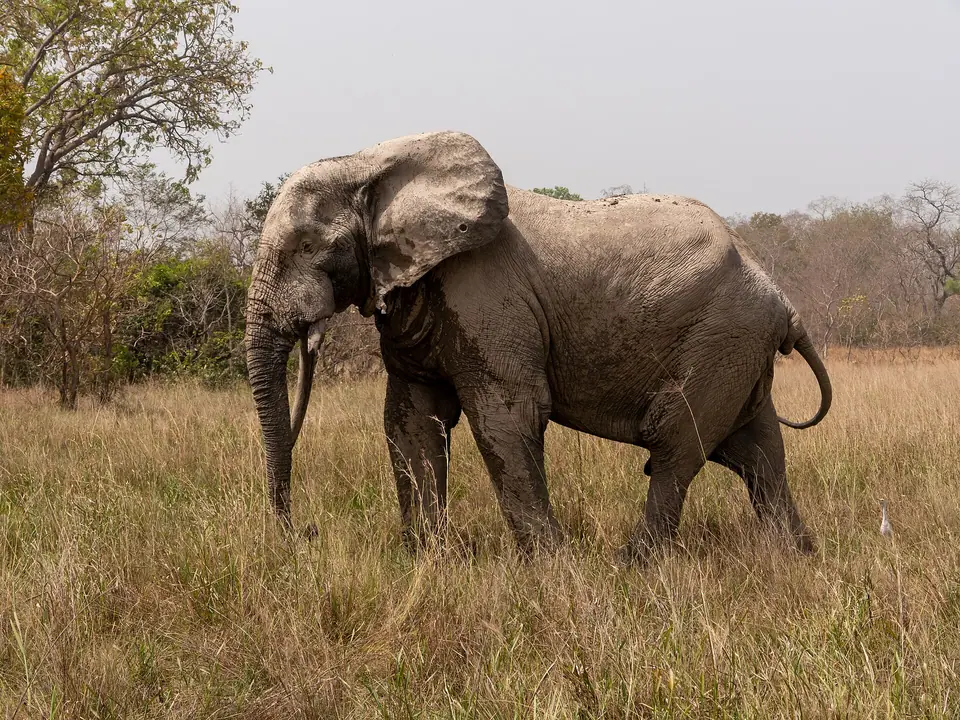
Ghana's first and largest protected area, Mole is a place to walk as well as drive, with elephants, antelope and warthogs on open Guinea savannah. Two days covers the headquarters area and the road to Larabanga.
- Region
- Savannah Region, northern Ghana
- Area
- 4,577 km² of Guinea savannah
- Wildlife
- Elephants, antelope and warthogs
- Time needed
- Two days or more
Ghana's first protected area
Mole National Park covers 4,577 km² of Guinea savannah in the Savannah Region and is Ghana's first and largest protected area. The Wildlife Division of the Forestry Commission manages it. The landscape is open woodland and grass, hot through most of the year and much drier than the forest belt in the south. It has been on UNESCO's Tentative List since 2000. Elephants, antelope and warthogs are the animals most visitors come to see, and they draw travellers to this part of the north.
The park holds the most viable elephant population in Ghana, which is the plainest reason to build a trip around it. It has been protected for a long time, and the animals are generally used to people on foot and in vehicles at a distance. That makes walking possible here rather than driving only. Most walks and drives begin at the park headquarters, where the staff know the day's sightings and can tell you what the ground is like.
What you may see
Sightings begin early. Elephants move in family groups and are seen most often in the cool hours after dawn and before dusk. Antelope graze the open ground in between, and warthogs appear and vanish at speed. The park is large, so a drive covers ground that a walk cannot, while a walk brings small things close: tracks, droppings, birds and the texture of the grass. Two days gives you time for both.
Birdlife rewards patience, and the light in the first two hours after sunrise is the best of the day. Binoculars are worth the weight. Heat builds quickly from mid-morning, and animals respond by seeking shade, so the middle of the day is for resting, eating and moving between points rather than for expecting much. Guides know where the elephants have been feeding. Ask at the headquarters each morning rather than planning a route in advance.
- Elephants in family groups, most active in the first and last hours of daylight.
- Antelope on the open ground, often in small herds that keep their distance.
- Warthogs, which rarely stand still long enough for a careful photograph.
- Birds of the savannah, easiest to see in the cool of the early morning.
- Tracks and other signs, which a guide will read as you walk.
Walking and driving safaris
Walking safaris go at a slow pace with a guide, usually starting soon after first light when the ground is cool and the animals are still moving. Drives cover more distance and reach further into the park, and they are the practical choice in the heat of the afternoon. Both start from the headquarters area. Timings shift with the season and with staffing, so check the day before and take the slot you are offered.
On foot, keep in single file when the guide asks, talk quietly and stop when the group stops. Bright colours matter less than noise. Wear long trousers and closed shoes for grass, thorns and insects, and carry more water than you think you need. A drive suits anyone with limited mobility or a dislike of heat, and the vehicles usually have shade and a roof. Binoculars and a camera with a long lens are the useful extras.
Tip: Guides carry the knowledge and the authority. Do as they say at once if an animal turns towards the group, and never walk off on your own, however clear the ground looks.
Getting there from Tamale
Tamale is the gateway. The airport sits about 114 km from the park and the city centre about 112 km, both measured in a straight line, so the road journey is longer than those figures suggest. The usual route runs south through Damongo, the Savannah regional capital, and then west to the park. Coaches and shared minibuses reach Tamale and Damongo. The last stretch is usually arranged locally, and the surface varies with the season.
Allow half a day for the transfer from Tamale, and more after heavy rain. Fill the tank before leaving town, since fuel is not guaranteed near the gate. The UK's Foreign, Commonwealth and Development Office advises against road travel outside towns after dark, and that advice carries weight here: the road is unlit, animals cross it and a breakdown at night is hard to solve. Arrive before dusk and tell your accommodation when to expect you.
- Fly into Tamale, then continue south by road through Damongo towards the park.
- Coaches and shared minibuses serve the main towns; ask locally about the final leg.
- Fill the fuel tank in Tamale or Damongo before the last stretch.
- Carry water, a hat and a torch in the vehicle, and expect dust in the dry season.
- Tell your accommodation your arrival time and check road conditions before setting out.
When to go and how long
The north has one rainy season, roughly April to mid-October and peaking around August and September. The dry months that follow are the easier time to travel: tracks are passable, the grass is shorter and animals gather where water remains. The harmattan, a dry and dusty wind, blows roughly December to March and is strongest in the north, when haze can swallow the horizon for days at a time. Check conditions before you commit.
Two days is the sensible minimum: an afternoon drive on arrival, a walk the next morning and a second drive before you leave. Three days allows a slower rhythm and a visit to Larabanga. Heat shapes the day more than anything else, so plan walks for first light and drives for late afternoon, and keep the middle hours for eating, resting and the journey between the park and your bed. Nights are cooler than the coast, and a light layer helps.
Tip: Ask about the harmattan before you book. In December and January dust can cut visibility and flatten the light for days, which matters if photography is part of the plan.
Larabanga, Damongo and where to stay
Larabanga Mosque lies about 4.5 km away, a Sudanese-style building of mud and sticks, thought to be the oldest mosque in Ghana and one of the oldest in West Africa. The date often given is 1421, though it is disputed. It is on the World Monuments Fund watch list. Dress modestly and ask before entering or photographing, since this is a place of worship in a living village rather than a monument.
Places to stay sit near the park headquarters and in Damongo, which is the regional capital and the usual stop for supplies. Tamale has the widest choice of rooms if you want a night near the airport before or after the drive. Book ahead in the dry season and around public holidays. Room standards vary, so read recent reviews and confirm what is included before you commit.
Dress for heat and dust: light long sleeves, long trousers, a wide-brimmed hat and closed shoes. A scarf or buff helps against dust thrown up by vehicles. Photography is straightforward in good light, but a long lens earns its place, since animals are often well off the track. Ask before photographing people, particularly in Larabanga. Carry your own water, use sun protection and keep valuables out of sight in towns.
Frequently asked questions
Do you need a guide in Mole National Park?
Walks in Mole National Park go with a guide, and you should not set off on foot alone. Guides know the animals' movements, the distance to keep and the route back. Drives usually come with a guide as well. Arrange walks at the park headquarters, ideally a day ahead, and follow the instructions you are given.
What animals can you see in Mole National Park?
Elephants are the main draw, and Mole National Park holds Ghana's most viable population. Antelope graze the open savannah and warthogs are common, if hard to photograph. Birdlife is good in the early morning. Sightings are never guaranteed, so take both a walk and a drive and let the guides judge where to go.
When should you visit Mole National Park?
The dry months are easier, when tracks are passable and animals gather near remaining water. The north has one rainy season, roughly April to mid-October. The harmattan blows roughly December to March and can haze the horizon for days. Walks in Mole National Park run at first light and drives in the late afternoon at any time of year.
Can you walk close to elephants in Mole National Park?
Walks go on foot with a guide, and elephants in Mole National Park are often seen at a distance. The guide decides how close the group goes and when to stop or turn back. Elephants are large, quick and protective of calves, so the distance is not negotiable. Follow instructions at once and keep talking to a minimum.
What should you wear in Mole National Park?
Light long sleeves and long trousers for grass, thorns and insects, plus closed shoes and a wide-brimmed hat. Take a scarf or buff against dust, especially during the harmattan. Neutral colours help on foot. Carry more water than you think you need, use sun protection, and bring a torch, since power in the north can be intermittent.
How long should you spend in Mole National Park?
Two days is a sensible minimum: an afternoon drive, a walk the next morning and a second drive before leaving. Three days allows a slower pace and a visit to Larabanga, about 4.5 km from Mole National Park. Anything shorter leaves you relying on a single sighting. Book walks on arrival so the rest of the schedule falls into place.
Is Mole National Park good for photography?
Light is at its best early and late, and animals in Mole National Park are often at a distance, so a long lens earns its weight. Dust is constant in the dry season: change lenses inside a bag or vehicle. Ask before photographing people, particularly in Larabanga. The harmattan can flatten contrast for days, so leave room in the plan.
Read next
IMPT Ghana editorial team · Reviewed 13 November 2026. Facts checked against the Ghana Tourism Authority (visitghana.com), the Ghana Immigration Service and other official sources listed in our editorial policy. Prices are never shown: live rates open in the IMPT app.
Find a stay in Ghana
Photo credits: Matti Blume, CC BY-SA 4.0, via Wikimedia Commons.