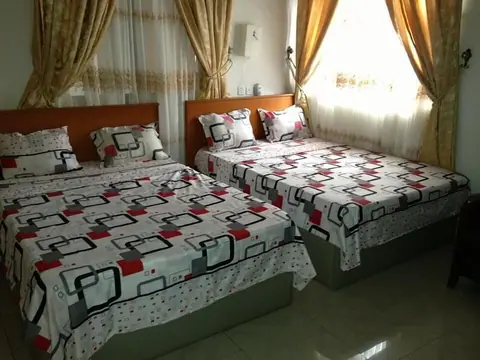
 ★★ 2-star
Hotels · Ashanti Region
Hotels in Ejisu, Ashanti Region
Ejisu is a district of Ashanti Region with a quiet, spread-out feel and most of its places to stay clustered around Asempaneye. It suits travellers who want Kumasi and Bonwire within easy reach.
IMPT Ghana editorial team · Reviewed 13 November 2026
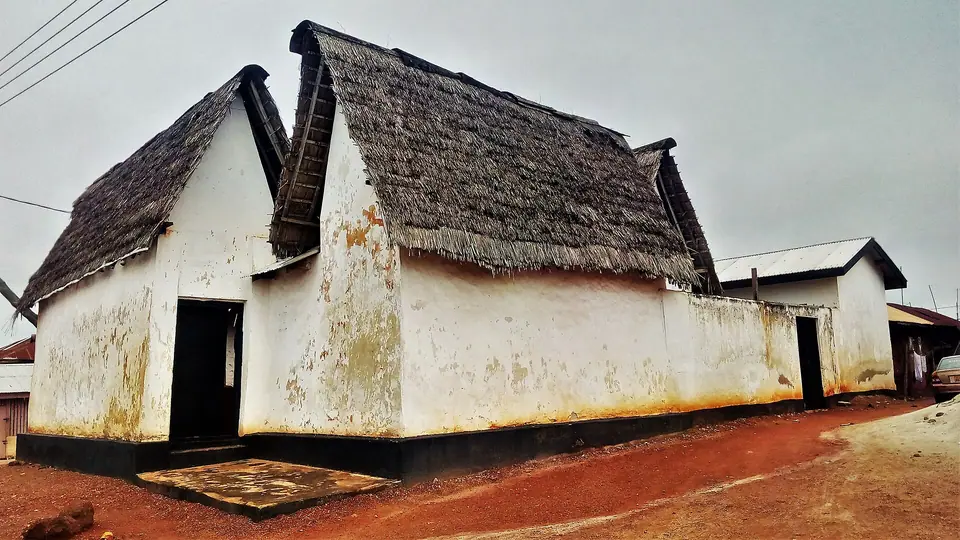
At a glance
- Region
- Ashanti Region, Ghana
- District
- Ejisu Municipal
- Nearest airport
- Kumasi, about 15 km
- Kumasi city centre
- about 19 km
What Ejisu district is like
Ejisu Municipal is one of the districts of Ashanti Region, the region whose capital is Kumasi. It lies south-east of Kumasi on the road towards Accra, and the land is green, rolling and largely agricultural, with small towns, farms and patches of forest between them. The district capital is Ejisu town. For a visitor, the appeal is space and convenience: you are outside the city traffic but close enough to reach Kumasi, Bonwire and Lake Bosomtwe without a long drive. Most of the district's places to stay are grouped around Asempaneye.
The district is not a resort area. There is no beach and no national park inside it, and the pleasures are ordinary ones: quiet roads, roadside food, market days and short trips to better-known sites nearby. That suits travellers who prefer a base with a little calm and who do not mind using a car or shared transport to reach the sights. If you want to step out of a room and into a museum or a market, central Kumasi will serve you better. Ejisu rewards people who plan their days around short drives.
Towns and neighbourhoods
Ejisu town is the district capital and the main commercial centre, with a market, banks, filling stations and a large junction on the main road. It is the practical address for fuel, cash and groceries. Asempaneye, a short distance away, is where most of the district's hotels sit: a quieter, more spread-out area where a car or a hired taxi makes a difference. Between and around them are smaller communities given to farming, with maize, cassava and plantain plots close to the roadside. Market days bring the heaviest traffic.
Do not expect a grid of streets and numbered blocks. Settlement here is linear, strung along the main roads, and addresses are often descriptive rather than formal. When you book, ask for the nearest landmark and a phone number for the person who will meet you, and pass your driver's contact to the property. Arriving after dark is possible but easier when the meeting point has been agreed in daylight. Bonwire, the kente weaving town, is about 10 km away and makes a natural half-day outing.
- Ejisu town: the district capital, with the main market, banks and road junction.
- Asempaneye: where most of the district's places to stay are grouped.
- Bonwire: a kente weaving town about 10 km away and a good half-day trip.
- The Kumasi road: the main artery for trotros, taxis and cars towards the city.
Who should stay here
Ejisu suits travellers with a car or a driver, and anyone who wants a quieter base while visiting Kumasi and the kente villages. It works well for families and small groups who would rather spread out than take several city rooms, and for people travelling the Accra road who want to break a journey away from the traffic. It also suits visitors heading to Bonwire or Lake Bosomtwe, both within a short drive. It is less good for anyone who wants to walk out to restaurants, museums or evening entertainment.
Business travellers with meetings in Kumasi should weigh the daily drive. The city centre at Kejetia is about 19 km away, and the trip takes longer at the morning and evening peaks. If your days are built around central Kumasi, staying in the city saves time. If your days are built around the countryside, or you want to be south of the city for an early start towards Cape Coast, Ejisu is a sensible base. Ask about road conditions before committing to a daily commute.
Tip: Ask your host about the road from the main junction to the property, and whether a car can reach the gate in the rainy season.
Eating in and around Ejisu
Food in this part of Ashanti Region follows the southern staples: cassava and plantain, with yam, maize and beans. You will find fufu, banku and kenkey, jollof rice, and tomato and pepper soups and stews, often with fish, chicken or goat. Around Ejisu town and the main road, the usual kinds of place serve these dishes: small chop bars, roadside kitchens, simple guesthouse restaurants and a few sit-down places with longer menus. Portions are generous and the cooking is local rather than international. Ask what is fresh that day.
Breakfast is often a practical affair of porridge, bread, eggs or fruit, taken early. Lunch tends to be the big meal, and many kitchens cook in batches, so choice narrows later in the day. Vegetarians can eat well but should ask whether a stew has been cooked with fish or meat stock. Drinking water in sealed bottles is the reliable choice. Ejisu town has produce, groceries and market stalls for anyone staying somewhere with a kitchen, and the main road has places that open early and close late.
Tip: If you arrive late, ask your host to point you to a kitchen that is still serving, or buy bread and fruit in Ejisu town on the way.
Getting around and what is nearby
Shared minibuses and taxis run between Ejisu town, Asempaneye and Kumasi, and they are the usual way to move around. Trotros are not centrally licensed, so travel in daylight where possible, and note that official advice is against road travel outside towns after dark. A hired car with a driver is easier for sightseeing and can usually be arranged through the place where you stay. Prempeh I International Airport, Kumasi, is about 15 km away, which keeps arrival and departure simple by taxi or pre-arranged car.
The district's position makes a good touring base. Bonwire's kente weaving is about 10 km away, Manhyia Palace Museum about 18 km, Kejetia Market about 19 km and Lake Bosomtwe about 23 km. Allow half a day for each of the further ones, more if you stop on the road. Kumasi's museums and markets deserve a day of their own. If you plan to continue south towards Cape Coast, the Accra road is at the door, and Kumasi's airport is close enough for a same-day departure.
Practical matters are straightforward. The currency is the Ghana cedi, electricity is 230 V on British three-pin plugs, and the time zone is GMT all year, so there is no clock change to plan around. Mobile data generally works in towns and less reliably between them. Public holidays move under the 2025 rules, so check the year's gazetted dates before fixing a market visit, and remember that an entry fee applies at the castles and museums further afield.
- Bonwire, about 10 km: weaving workshops and kente cloth.
- Manhyia Palace Museum, about 18 km: Asante royal regalia and gold work.
- Kejetia Market, about 19 km: a large market in central Kumasi.
- Lake Bosomtwe, about 23 km: a crater lake and UNESCO biosphere reserve.
Where to stay
Hotels in Ejisu
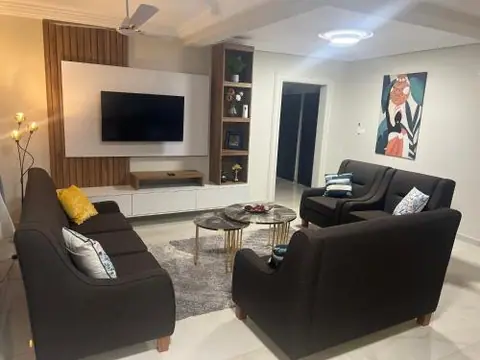
4 stays with a guest score or a four- or five-star rating in the IMPT database, five-star first, then four-star, then the rest by the booking supplier's guest score. Prices and availability are live in the IMPT app.
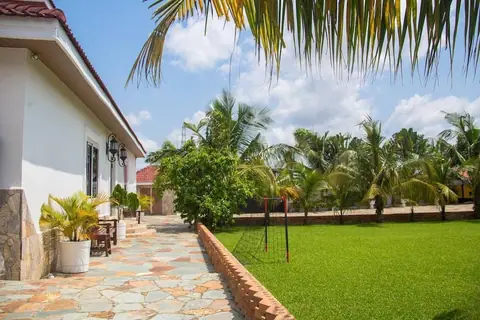
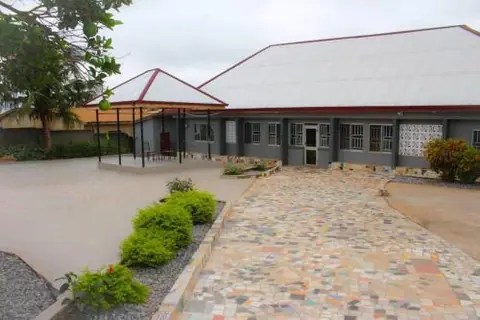
★★ 2-star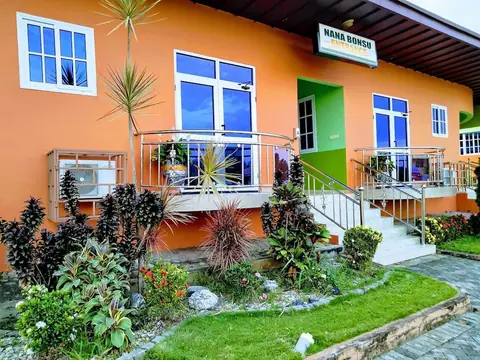
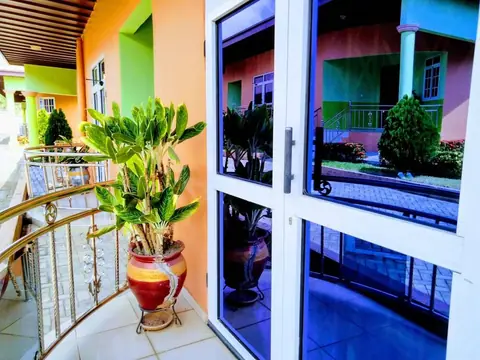
More places to stay
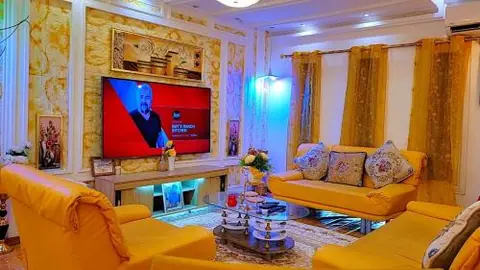
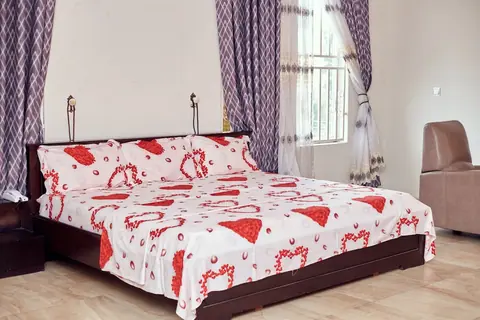
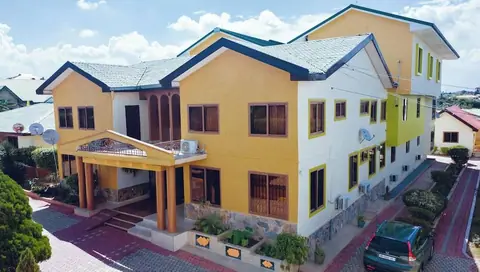
Further listings in the IMPT database with fewer details from the booking supplier (no guest score yet). Check them on the property's page before you book.
Ejisu, Ashanti Region: questions
Where in Ashanti Region is Ejisu district?
Ejisu Municipal is one of the districts of Ashanti Region, lying south-east of Kumasi on the road towards Accra. The district capital is Ejisu town. Most of the places to stay are grouped around Asempaneye, a short drive from the main road. Kumasi city centre at Kejetia is about 19 km away.
How far is Ejisu from Kumasi airport?
Prempeh I International Airport, Kumasi, is about 15 km from Ejisu district, a short drive by taxi or a pre-arranged car. The city centre is further, at about 19 km. Allow extra time at the morning and evening peaks, and agree the meeting point with your host before arrival.
Do you need a car to stay in Ejisu?
A car or a hired driver makes Ejisu much easier. The district is spread out along main roads, and hotels are mostly grouped around Asempaneye rather than in a walkable centre. Shared minibuses and taxis connect Ejisu town and Kumasi, but they are less convenient for sightseeing stops at Bonwire, Manhyia Palace Museum or Lake Bosomtwe.
What is there to see near Ejisu?
Bonwire's kente weaving is about 10 km away, Manhyia Palace Museum in Kumasi about 18 km, Kejetia Market about 19 km and Lake Bosomtwe about 23 km. Each works as a half-day trip, and Kumasi's museums and markets can fill a full day. Those distances are straight-line, so allow for road conditions and traffic.
What food can you eat in Ejisu?
Expect southern Ghanaian staples: cassava and plantain, with yam, maize and beans. Fufu, banku, kenkey, jollof rice and tomato and pepper soups and stews are common, often with fish, chicken or goat. Around Ejisu town and the main road, small chop bars, roadside kitchens and simple guesthouse restaurants serve these dishes. Ask about fish or meat stock if you avoid either.
Is Ejisu a good base for visiting Kumasi?
It can be, if you have a car or a driver and do not need to be in the city every morning. Kejetia is about 19 km away, and peak traffic adds time. Ejisu suits people who want a quieter base for Bonwire, Lake Bosomtwe and the road south. For days built around central Kumasi, staying in the city saves time.
What is the rainy season like in Ejisu?
Ashanti Region sits in the south, where rains run roughly April to June and September to November, and the harmattan blows roughly December to March. Tracks around Asempaneye can be muddy in the wet months, so ask your host about access. Check before you travel, as month ranges shift from year to year.
What should you check before booking a hotel in Ejisu?
Ask for the nearest landmark, a phone number for whoever will meet you, and whether a car can reach the gate, especially in the rainy season. Confirm whether meals are served and whether drinking water is provided. Check current entry rules, including the yellow fever certificate, on the official immigration portal before you book.
Read next
Hotels in Oforikrom, Ashanti RegionOforikrom is a district of Ashanti Region on the northern side of Kumasi, with most of its hotels around Anwomaso. It suits travellers who want quiet nights and short runs into the city.Hotels in Kumasi, Ashanti RegionKumasi Metropolitan is the Ashanti Region district at the heart of Ghana's second city. Most of its hotels cluster around Dakodwom, a short ride from Kejetia Market and the Manhyia Palace Museum.Hotels in Bosomtwe, Ashanti RegionBosomtwe is a district of Ashanti Region wrapped around Lake Bosomtwe, and most of its hotels sit near Abono. This guide covers the towns, the transport, the food and the sights within easy reach of Kumasi.
IMPT Ghana editorial team · Reviewed 13 November 2026. Hotels are placed by their own map pin inside Ghana's official district boundaries (Ghana Statistical Service). Facts checked against the Ghana Tourism Authority (visitghana.com), the Ghana Immigration Service and other official sources listed in our editorial policy. Prices are never shown: live rates open in the IMPT app.
Find a stay in Ejisu
Photo credits: Joy Agyepong, CC BY-SA 4.0, via Wikimedia Commons.