Kumasi: character, sights and who it suits
Kumasi is Ghana's second city and the seat of the Asante kingdom. Its markets, royal museum and weaving villages reward a stay of two or three days, and it makes a practical base for the Ashanti Region.
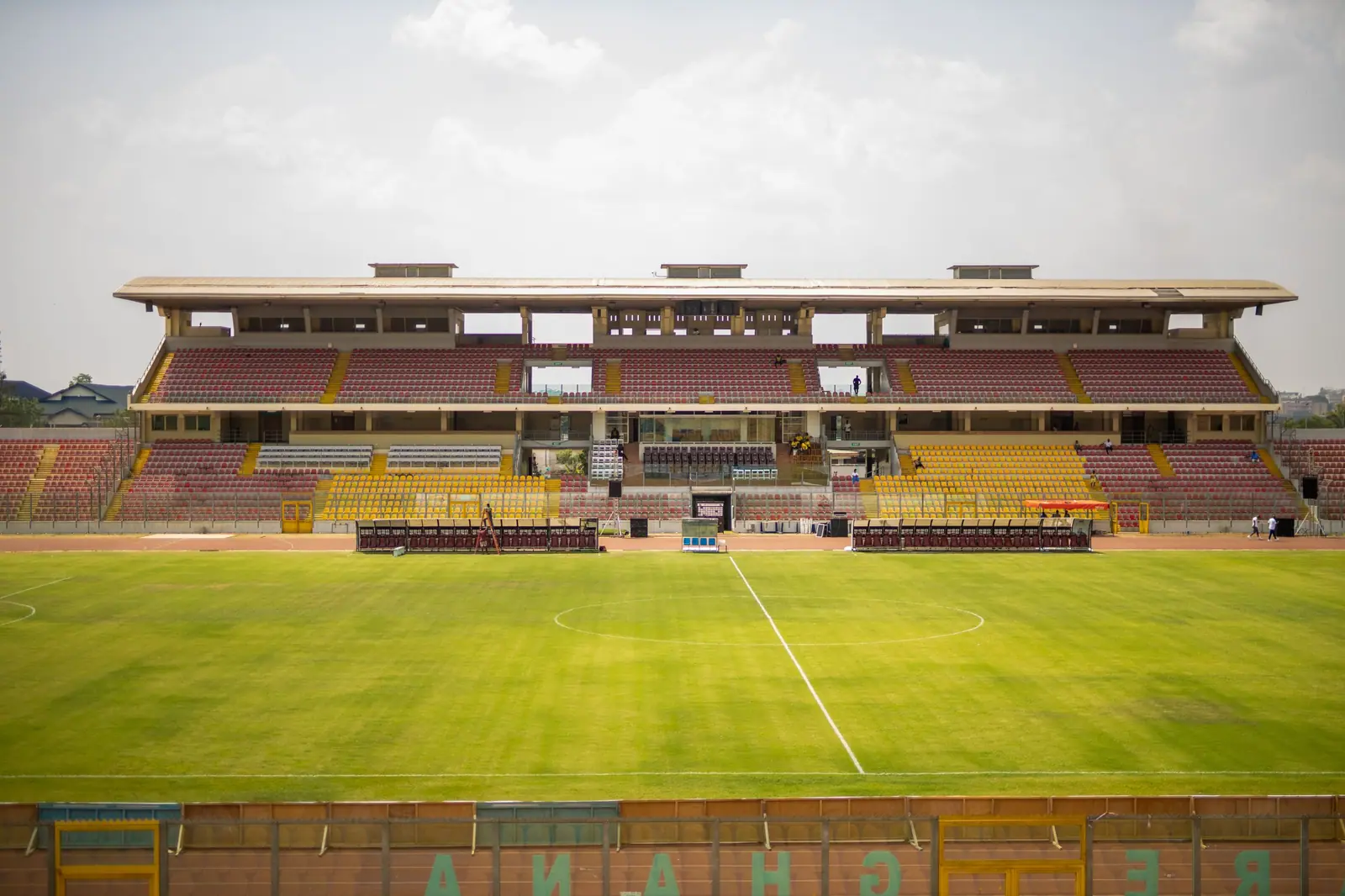
- Region
- Ashanti Region, inland Ghana
- Fly to
- Prempeh I International Airport, Kumasi
- Airport to centre
- 4.1 km to Kejetia
- Allow
- two to three days
A royal Ashanti capital
Kumasi is the capital of the Ashanti Region and the seat of the Asante kingdom. Royal authority shapes the city: Manhyia Palace is the Asantehene's residence, and its museum holds royal regalia, gold work and effigies of past kings, among them Prempeh I and Yaa Asantewaa. Akan is the largest ethnic group in Ghana, and Ashanti ceremony sets the tone of the year. Expect a city that takes its history seriously and shows it in public rather than behind glass.
Kumasi is a working city as much as a historic one. Trade is the engine, and Kejetia Market, in the centre, is described by the Ghana Tourism Authority as the largest open-air market in West Africa, a claim to treat as local pride rather than precise measurement. Around it, streets carry cloth sellers, food vendors and transport. Kente weaving at Bonwire and Adanwomase, the two royal weaving villages, is a living trade rather than a display for visitors, and both lie within easy reach of the city.
What to see in Kumasi
Manhyia Palace Museum is the first stop for most visitors. It stands about a kilometre from Kejetia, so the two combine well on foot or in a short taxi ride. The displays cover Asante royal history, gold work and the kingship, and reward an unhurried visit rather than a quick circuit. Kejetia Market is an experience rather than a shopping trip: go with a purpose, keep valuables close and accept that you may lose your bearings once or twice.
Beyond the centre, the weaving villages are the strongest half-day outing. Bonwire is the Ghana Tourism Authority's leading centre of kente weaving, and Adanwomase is the other royal weaving village; both sit north-east of the city and are reached by road. If your visit coincides with Akwasidae, the Asante ceremony held at Manhyia Palace on a Sunday every six weeks, plan around it: there is no fixed month, so check with the palace or the tourism authority.
- Manhyia Palace Museum, for Asante regalia, gold work and royal history.
- Kejetia Market, the huge open-air trading ground in the city centre.
- Bonwire, for kente weaving and cloth sold from the village workshops.
- Adanwomase, the second of the two royal weaving villages north-east of Kumasi.
Eating and evenings
Food in Kumasi follows the southern pattern, with cassava and plantain as the staples and yam, maize and beans alongside. Fufu, banku and kenkey appear widely, the last in Ga and Fante versions; jollof rice is a lunchtime standby, and most meals come with a tomato and pepper soup or stew. Eating is casual, and the choice is often whatever has been cooked that day. Look for chop bars, roadside grills and small kitchens serving food from pots.
Evenings are food-led rather than formal. Families eat late, grills and street kitchens stay busy, and hotel restaurants offer the calmest option if you want a table and a quiet room. Live music and DJ nights appear at weekends, and the programme changes, so ask at your accommodation or check local listings. Soft drinks and malt drinks are everywhere. For anything well outside the centre after dark, arrange a car rather than relying on shared transport.
A day on foot in Kumasi
Start at Kejetia Market in the morning, when the food sections are at their busiest and the heat is manageable. From there, walk or take a short taxi ride to Manhyia Palace Museum, about a kilometre away. Spend the middle of the day on the museum and its grounds, then return through the centre for cloth, beads and household goods. The route is short on paper and long in practice, because the streets are full and it is easy to stop.
Carry water, wear shoes you can walk in and keep a light rain jacket in the wet season. The harmattan, a dry and dusty wind, blows roughly December to March; it is strongest in the north but still dries the air in Kumasi. Mid-morning and late afternoon are the kindest hours for walking. If you want a slower day, split the market and the museum across two mornings and add a weaving village in between.
Tip: Kumasi sits inland and midday is hot. Plan market time for the morning, keep the afternoon for the museum, and check opening days with the Ghana Tourism Authority.
Who it suits and who not
Kumasi suits travellers who want a city with a history they can look at closely. If markets, textiles, royal ceremony and museum collections interest you, this is the most rewarding inland stop in Ghana, and it works well for two or three days. It also suits anyone using the city as a base for the Ashanti Region, including Lake Bosomtwe, described as the country's only true natural inland lake, and the weaving villages to the north-east.
It suits less well if you want a beach, a slow coastal pace or colonial-era coastal history: the forts and castles at Cape Coast and Elmina are on the coast and need their own time. Anyone travelling with small children may find the heat and the market crowds tiring. Travellers who prefer quiet streets and short walks should choose a base away from Kejetia and treat the centre as a daytime excursion rather than a neighbourhood.
Tip: If your trip is short, give Kumasi two nights rather than a day trip, and put the market first. Check Akwasidae dates with Manhyia Palace before fixing your travel dates.
Getting there, around and bases
Prempeh I International Airport (KMS) sits about four kilometres from Kejetia in a straight line, and the drive into the centre is short outside peak hours. Figures reported in 2026 put Kumasi ahead of Tamale and Takoradi for domestic flights in 2025, with Sunyani and Wa also recording passenger traffic; schedules change, so confirm before booking. Air-conditioned coaches link the city with Accra and other regional capitals, and shared minibuses, known as trotros, cover most local routes.
Choosing a base is mostly a question of noise and walking. Staying near Kejetia puts the market and Manhyia Palace Museum within reach on foot, but the centre is loud from early morning. Staying further out buys quiet and space, at the cost of a taxi ride for every meal and errand. Ask your accommodation about traffic between the base and the centre at the hours you plan to travel, and check current government advice on moving after dark.
- Around Kejetia, for the market, Manhyia Palace Museum and street food.
- North or east of the centre, for quieter nights and easier parking.
- Near the airport, for quick transfers and simpler departures.
- Ask about traffic between your base and the centre before you commit.
Frequently asked questions
Is Kumasi worth visiting on a Ghana trip?
Yes, for most travellers interested in history and city life. Kumasi holds Manhyia Palace Museum, Kejetia Market and two royal kente weaving villages within easy reach, and it gives context to the coastal forts and castles that many visitors see first. Two or three days is enough to see the main sights without rushing.
What is Kumasi known for?
Kumasi is the capital of the Ashanti Region and the seat of the Asante kingdom. It is known for Manhyia Palace and its museum, for Kejetia Market, described by the Ghana Tourism Authority as the largest open-air market in West Africa, and for kente weaving at Bonwire and Adanwomase. It is a trade city as much as a historic one.
How many days do you need in Kumasi?
Two days cover the centre: Kejetia Market and Manhyia Palace Museum. A third day allows a half-day trip to Bonwire or Adanwomase for kente weaving, or further out to Lake Bosomtwe. Add time if you plan to attend Akwasidae at the palace, since the ceremony falls on a Sunday and the date moves.
When is the best time to visit Kumasi?
The dry months are generally easier for walking and road travel, though the harmattan, a dusty wind that blows roughly December to March, can haze the sky and dry the air. Rains in the south run roughly March to mid-November, with two wetter spells. Check the forecast before booking, since the seasons shift from year to year.
How do you get to Kumasi?
By air from Accra, since Kumasi recorded the most domestic flights of any Ghanaian airport in 2025, with schedules that change and should be checked. Long-distance air-conditioned coaches connect Kumasi with Accra and other regional capitals. Once in the city, shared minibuses known as trotros and taxis cover most routes. The airport is about four kilometres from Kejetia.
Can you see Akwasidae in Kumasi?
Akwasidae is the Asante ceremony held at Manhyia Palace in Kumasi on a Sunday every six weeks. It has no fixed month, so it does not follow the calendar of annual festivals. Check the date with the palace or the Ghana Tourism Authority before planning a trip around it, and ask which parts visitors may attend.
Which part of Kumasi should you base yourself in?
Near Kejetia for the market and Manhyia Palace Museum on foot, accepting daytime noise. North or east of the centre for quieter nights, at the cost of a taxi for every errand. Near Prempeh I International Airport for quick transfers. Ask your accommodation about traffic at the hours you plan to travel, and check current advice on moving after dark.
What food should you try in Kumasi?
Fufu, banku and kenkey are the staples, served with tomato and pepper soups or stews. Kenkey comes in Ga and Fante versions. Jollof rice is a lunchtime standby, and yam, maize and beans appear across the region. Chop bars, roadside grills and small kitchens cook through the day, so ask what has just been prepared.
Read next
IMPT Ghana editorial team · Reviewed 13 November 2026. Facts checked against the Ghana Tourism Authority (visitghana.com), the Ghana Immigration Service and other official sources listed in our editorial policy. Prices are never shown: live rates open in the IMPT app.
Find a stay in Kumasi
Photo credits: Critical Smith / Pexels.