 ★★★ 3-star
Region · capital Sunyani
Hotels in Bono Region
Bono Region is working Ghana: cocoa farms, market towns and an administrative capital at Sunyani. This guide covers where to base yourself, how to arrive, when to travel and what to ask before booking a room.
IMPT Ghana editorial team · Reviewed 13 November 2026
At a glance
- Region capital
- Sunyani, Bono Region
- Created
- 2019, split from Brong Ahafo
- To Kumasi airport
- About 107 km straight line
- To Kumasi centre
- About 106 km straight line
The character of the region
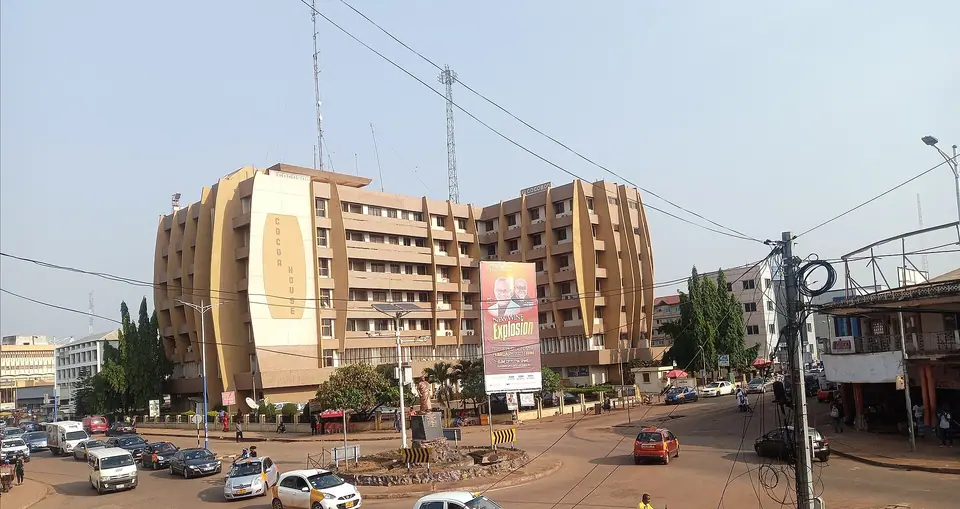
Bono Region lies in the middle of Ghana, north-west of Ashanti and south of the Savannah Region. Sunyani, the capital, is an administrative and commercial town rather than a tourist stop, and that shapes everything around it: banks, offices, markets, schools and a regional hospital serve a wide rural hinterland. Outside the towns the land is farmland and secondary forest, given over largely to cocoa, cashew and food crops. Visitors expecting a coastal scene or open savannah find something in between, greener than the north and quieter than the coast. The pace is set by the working week.
The region was created in 2019, when Brong Ahafo was divided into Bono, Bono East and Ahafo. Its central towns sit on tarred roads that carry coaches and heavy lorries, while the western districts are served by feeder roads that turn slow and rough after rain. Travel here is about ordinary Ghanaian life: market days, Sunday services, football on Saturday afternoon, and long meals of fufu, banku and jollof rice. That is the region's appeal, and it explains why a visit rewards a slower pace rather than a checklist of sights. Allow time between appointments.
Sunyani and the main towns
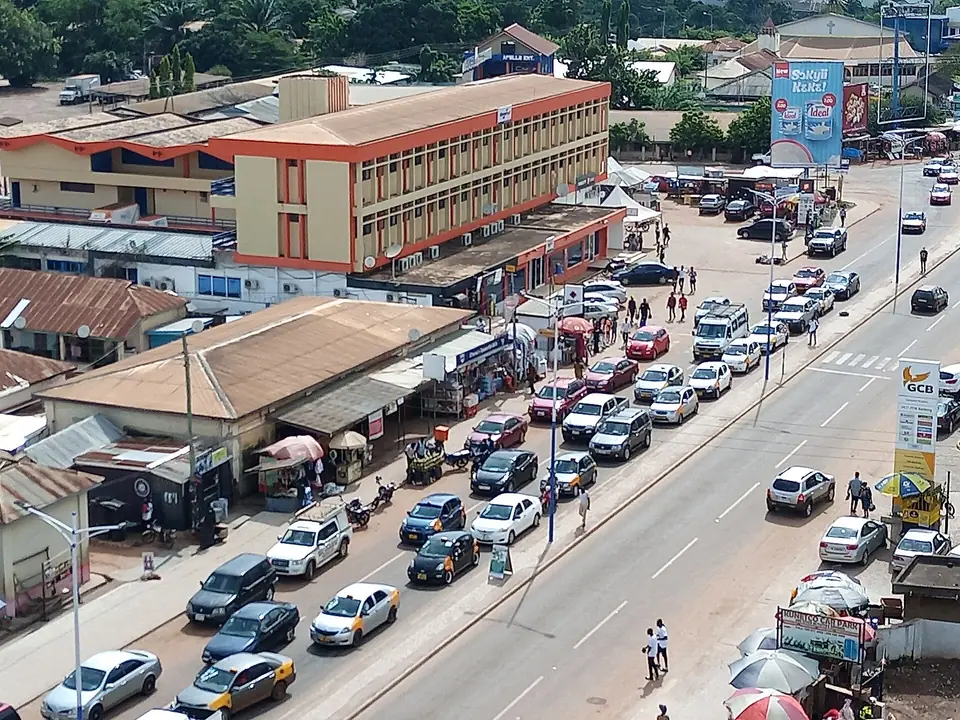
Sunyani is compact. The market, the main transport terminals and the government offices sit close to the middle, and most commercial life runs along a few roads that meet near the centre. A room within walking distance of that core removes the need for a car during the day. Newer development spreads outwards along the roads towards Nsoatre and Odumase, where the town thins into farmland. Wherever you stay, ask how far the property is from the centre on foot, and whether the approach road is tarred. Taxis are easy to find by day and harder after dark.
Beyond the capital, Berekum, Dormaa Ahenkro and Sampa anchor the western and north-western districts. Each has a market, a lorry station and one or two busy days a week, and each is a working town rather than a resort. Formal accommodation thins out quickly outside Sunyani, so most visitors base themselves in the capital and travel out for the day. If work takes you to a district capital, arrange a room before you travel rather than on arrival, and ask a colleague in the area for a recommendation.
- Sunyani: the regional capital, with the main transport links, services and concentration of rooms.
- Berekum: a market town west of the capital, with a busy trading centre and a lorry station.
- Dormaa Ahenkro: a district capital in the north of the region, set among cocoa farms.
- Sampa: a small town in the far west, reached by a slower road from Sunyani.
Getting there and around
Sunyani has an airport, and domestic flights have served it in recent years, but schedules change and not every route runs all year, so check with the operator before planning a trip around a flight. Most visitors come by road. Kumasi is the nearest big city: Prempeh I International Airport lies about 107 km from Sunyani in a straight line, and Kejetia in the city centre about 106 km. The road between the two is tarred and carries long-distance coaches from Accra, Kumasi and other cities. Road distance is longer than the straight-line figures.
Within Sunyani, shared minibuses, known as trotros, and taxis cover the town routes, and the terminals are the place to pick up a seat for a district town. The UK Foreign, Commonwealth and Development Office notes that trotro drivers are not centrally licensed, and it advises against road travel outside towns after dark. If you plan to drive yourself, a vehicle with good clearance helps on feeder roads in the west, particularly during the rains, and a printed or downloaded map is worth carrying where the signal drops.
- By air: check current schedules to Sunyani before building a trip around a flight.
- By road: tarred roads link Sunyani with Kumasi and the south, and with the district towns.
- By coach: long-distance coaches run between the main cities, usually in daylight.
- Around town: trotros and taxis, with shared minibuses covering most town routes.
When to visit
Ghana's rains arrive roughly from March to mid-November in the south and from April to mid-October in the north, and Sunyani sits between the two patterns. Expect wet afternoons somewhere in that window, and dry, hazy weeks from about December to March, when the harmattan wind carries dust down from the north. The harmattan is strongest in the north of the country, but it reaches Bono Region too, bringing cooler mornings, low humidity and a pale sky. Roads are at their easiest in the drier months. Check a forecast before travelling.
Public holidays affect transport and how busy the towns feel. Independence Day falls on 6 March, Republic Day on 1 July and Founders' Day on 21 September, with Christmas and Boxing Day closing the year. Since 2025, holidays that fall from Tuesday to Thursday move to the Friday, and weekend holidays move to the Monday, with some exceptions. Check the gazetted dates for the year you travel, because a long weekend changes demand for rooms in Sunyani and can leave district towns short of transport.
Tip: Market days and church weekends fill rooms in Sunyani quickly. If your dates are fixed, book before you travel rather than turning up and asking.
Choosing where to stay
Choose by purpose. If you are in Sunyani for meetings, a room near the centre saves time and avoids repeat taxi trips. If you are passing through on the way north or west, somewhere on the edge of town with parking is easier. For longer stays, look at what the room includes: air conditioning, a desk, reliable hot water and breakfast are worth confirming in writing. Ask, too, about backup power and stored water, since these decide how comfortable a stay feels when the mains supply falters.
Ask about payment before arrival. Not every property in the region accepts cards, and smaller places may ask for a deposit by transfer. Confirm the cancellation terms and what the room includes, and ask whether an airport or terminal pickup can be arranged. Read recent reviews rather than only the photographs, and telephone ahead if you are arriving late, so that someone is expecting you. A short written confirmation of dates, room type and extras avoids most disagreements at check-in.
Tip: Telephone ahead if you are arriving after dark, and ask for written confirmation of the room, the dates and what is included.
Bono Region by district
Top-rated stays
★★★ 3-star ★★★ 3-star
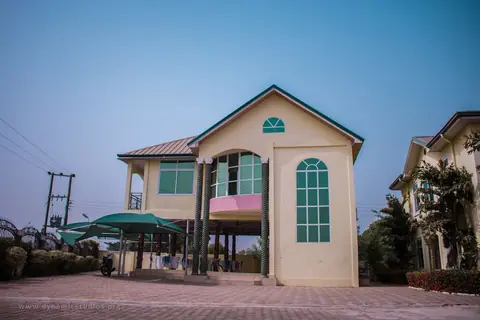 ★★★ 3-star
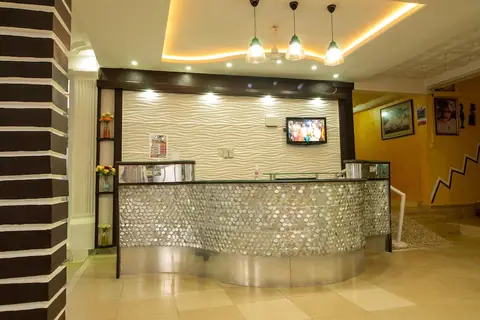 ★★★ 3-star
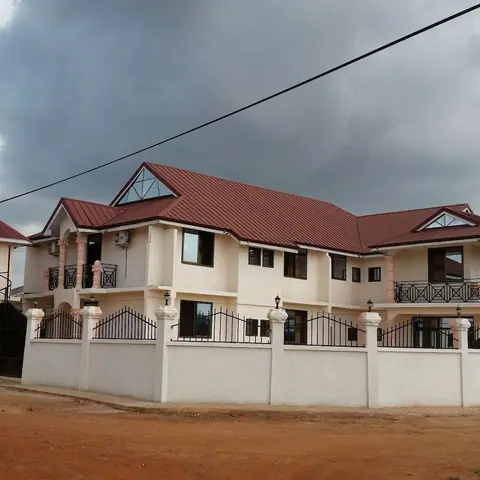 ★★ 2-star
Where to stay
Other stays in Bono Region
1 stay with a guest score or a four- or five-star rating in the IMPT database, five-star first, then four-star, then the rest by the booking supplier's guest score. Prices and availability are live in the IMPT app.
★★★ 3-starMore places to stay
Further listings in the IMPT database with fewer details from the booking supplier (no guest score yet). Check them on the property's page before you book.
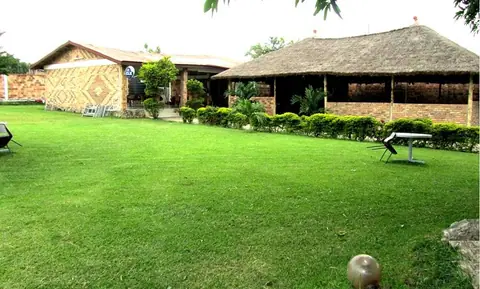
Bono Region: questions
Which towns in Bono Region have hotels covered on this site?
Sunyani has its own hotel page, and the capital is the practical base for the region. Rooms elsewhere in Bono Region are thinner on the ground, and Berekum, Dormaa Ahenkro and Sampa have few formal places to stay. Many visitors stay in Sunyani and travel out to the districts for the day.
How do you reach hotels in Bono Region from Accra?
Most people travel by road. Long-distance coaches run from Accra to Sunyani, and the journey is usually made in daylight. Flying is possible when the domestic schedule to Sunyani is running, and Kumasi is the other option, about 107 km away in a straight line, followed by a road transfer. Check schedules and road conditions before you travel.
Do hotels in Bono Region arrange airport pickups?
Some do, particularly in Sunyani, but it is not standard. Ask when you book whether a pickup can be arranged from Sunyani Airport or from the coach terminal, and confirm the meeting point in writing. If you are arriving late, telephone ahead so that someone is expecting you rather than assuming a desk is staffed overnight.
When should you book hotels in Bono Region?
Book ahead for Christmas, Easter, Republic Day and any long weekend created by the holiday rules that have applied since 2025. Graduation and conference weeks in Sunyani also fill rooms. At other times of year you can usually find a room at short notice, but telephoning the day before is sensible, especially before moving on to a district town.
How far are hotels in Bono Region from Kumasi?
Sunyani, where most of the region's rooms are, lies about 106 km from Kejetia in central Kumasi in a straight line. Prempeh I International Airport is about 107 km away on the same measure. Road distance is longer than either figure, and journey times vary with traffic leaving Kumasi and with conditions on the approach roads.
What should you check before booking hotels in Bono Region?
Ask what the room includes: air conditioning, hot water, breakfast and a desk if you are working. Confirm that the property has backup power and stored water, since mains supply can be interrupted. Ask about payment methods, cancellation terms and late arrivals. Recent reviews are more useful than the photographs on a booking page.
Can you pay by card at hotels in Bono Region?
Not always. Larger places in Sunyani are more likely to accept cards, while smaller guesthouses and district lodges often expect a transfer or payment in Ghana cedis. Ask before you arrive, keep a note of what has been agreed, and confirm whether a deposit is required to hold the room. Never assume a booking platform has settled the whole bill.
Do hotels in Bono Region work as a base for Mole National Park?
Not really. Mole National Park lies in the Savannah Region, well to the north, and the drive from Sunyani is long. If the park is the purpose of your trip, base yourself at Damongo or near the park instead. Sunyani works better as a base for Bono Region itself and for Kumasi.
Read next
Hotels in Bono East RegionBono East sits in the middle of Ghana, a farming region of yam markets, river crossings and quiet roads. Techiman is the capital and the practical base for most stays.Hotels in Ashanti RegionAshanti Region is the old heart of the Asante kingdom, with Kumasi at its centre. This guide covers the region's towns, how to reach them and how to choose a base for a few days.Hotels in the Eastern RegionThe Eastern Region rises from the Accra plains to the Akuapem ridge and the Volta gorge. Its capital, Koforidua, and the ridge towns around it make a calm base for gardens, waterfalls and the lake.
IMPT Ghana editorial team · Reviewed 13 November 2026. Hotels are placed by their own map pin inside Ghana's official district boundaries (Ghana Statistical Service). Facts checked against the Ghana Tourism Authority (visitghana.com), the Ghana Immigration Service and other official sources listed in our editorial policy. Prices are never shown: live rates open in the IMPT app.
Find a stay in Bono Region
Photo credits: Gyanford, CC BY-SA 4.0, via Wikimedia Commons.