 ★★★ 3-star
Hotels · Bono Region
Staying in Sunyani Municipal, Bono Region
Sunyani Municipal is the administrative heart of Bono Region and the most practical base for visitors to central Ghana's forest belt. Here is what the district is like, who it suits and how to get around.
IMPT Ghana editorial team · Reviewed 13 November 2026
At a glance
- District
- Sunyani Municipal, Bono Region
- Regional capital
- Sunyani town
- Kumasi airport
- about 105 km, straight line
- Main gateway
- Accra International Airport (ACC)
Sunyani Municipal at a glance
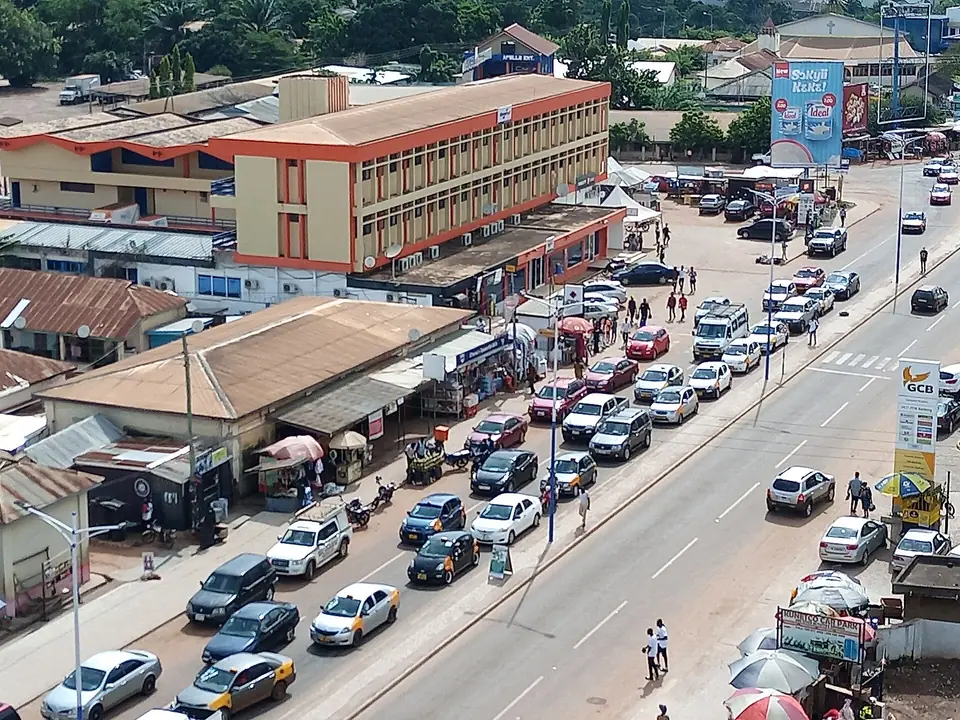
Sunyani Municipal is a district of Bono Region, in the forest belt of central Ghana. Sunyani, the municipal capital, is also the regional capital, so the district holds the region's offices, banks, courts, schools and most of its beds for visitors. The town itself is compact and orderly, with wide roads, tree cover in the older quarters and a central grid that is easy to learn. Traffic is light by Ghanaian city standards. Visitors usually pass through on business, or on the road north, rather than to sightsee. Sunyani is the largest town in the district and the only one with a full range of services.
The climate is tropical, with a wet season and a dry season. Sunyani sits between the wet south and the drier north, so rain is less predictable than on the coast: the two southern rainy seasons are felt here, but the heaviest falls usually come between about April and November. From roughly December to March the harmattan, a dry and dusty desert wind, brings hazy mornings and dry air. Cooler, overcast days appear in the middle of the rains. The seasons shift from year to year, so check a forecast before you travel. A light rain layer helps in the wet months, and a scarf is useful in the dust.
Towns and neighbourhoods
Almost everything a visitor needs sits within a short distance of the centre of Sunyani: the central market, the main lorry station, the banks and the regional offices. Around that core the town spreads into quiet residential quarters, where guesthouses and small hotels sit on leafy plots. The streets are broad, the pace is calm and walking in daylight is straightforward. Because Sunyani grew as an administrative centre, addresses are informal, and you should expect to ask directions rather than rely on street signs or a map pin. A phone with data is more practical here than a printed map.
Beyond the town, Sunyani Municipal is largely farming country. Smaller communities sit along the roads that leave town, some with a market, a clinic or a junction where trotros wait. The road to Kumasi carries most of the through traffic, while other roads out of town serve farming villages and the smaller towns of the region. If you plan to stay outside Sunyani town, check the road surface and the lighting, and confirm that your host can arrange a pick-up. Distances are short, but transport thins out after dark.
- Town centre: the market, lorry station, banks and regional offices are within a short walk of one another.
- Residential quarters: quiet streets a few minutes from the centre, where several smaller places to stay sit on leafy plots.
- Edge of town: newer buildings and larger plots along the main roads out, with more space and less shade.
- Rural communities: farming settlements within the municipal area, with basic shops and very little accommodation.
Who should stay here
Sunyani Municipal suits travellers with business in the regional capital: civil servants, staff of aid agencies and NGOs, contractors, university visitors and people attending conferences or family events. It also works as a comfortable overnight stop on the road between Kumasi and the north, and as a base for visiting relatives across Bono Region. Places to stay run from small guesthouses to larger hotels with conference rooms, pools and restaurants, so a stay can be simple or fairly full-service. Book ahead around public holidays and regional events, when rooms fill quickly. Ask whether breakfast is included when you compare places.
The district is not the place to come for beaches, castles or wildlife. Travellers who want those things are better based on the coast or near Mole National Park, and should treat Sunyani as a stop on the way. Anyone hoping to walk to restaurants and bars from the door should choose the centre rather than the outskirts, where a car or taxi is needed after dark. Ask what is included in the room charge, whether there is a standby generator and whether water is stored on site, since both power and supply can be interrupted.
Tip: Ask about power and water before you book, and confirm whether the property runs a generator. Supply can be interrupted in town, and not every place says so in advance.
Getting around and nearby trips
Most visitors reach Sunyani by road. Long-distance coaches run from Accra and Kumasi, and timetables change, so confirm departure points and times a day or two ahead. By air, the usual route is a flight into Accra International Airport, formerly Kotoka, followed by a domestic flight or a coach. Prempeh I International Airport at Kumasi is about 105 km away in a straight line, which makes it the closer air option for many travellers. Whichever route you choose, allow a margin: delays on the road are common and schedules can slip. Check current travel advice before you set out.
In town, shared minibuses and taxis cover most routes, and app-based taxis have become common. Fares are agreed or shown in the app, and small notes help. For the wider region, Sunyani is a road junction rather than a sightseeing base: the nearest concentration of visitor sights is Kumasi, about 104 km away in a straight line, where Manhyia Palace Museum, Kejetia Market and the kente villages of Bonwire and Adanwomase are within reach. Lake Bosomtwe lies beyond Kumasi. Plan such trips as full days and return before dark.
- Coaches: long-distance services link Sunyani with Accra and other major cities; confirm timetables before travelling.
- Trotros: shared minibuses run the main town routes and connections to nearby towns, and are paid in cash.
- Taxis: metered app taxis and street taxis both operate; agree the fare before you set off.
- Domestic flights: Sunyani Airport handled passenger traffic in 2025, but schedules change, so check with Ghana Airports Company Limited.
- Driving: main roads are tarred, but rural roads can be rough, and travel outside towns after dark is best avoided.
Tip: Several governments advise against road travel outside towns after dark in Ghana. Check your own government's current travel advice, including regional advisories, before you travel.
Eating in Sunyani
Food in Sunyani follows the southern Ghanaian pattern: cassava and plantain are the staples, with yam, maize and beans eaten across the country. Expect fufu served with light soup or groundnut soup, banku and kenkey with pepper and fish, jollof rice, and tomato and pepper stews with rice or gari. Chop bars, roadside kitchens and small restaurants cook these dishes daily, hotel restaurants add continental plates, and takeaways sell rice, chicken and chips. Vegetarian choices exist but are limited, so ask what the soup base contains.
Portions are generous, and meals are often eaten with the right hand, though spoons are provided. Ask for small pepper if you are not used to heat: chilli is served on the side in some places and cooked in at others. A busy kitchen turns food over quickly, which is a good sign at lunchtime. Bottled and sachet water is sold widely, and smaller kitchens may not take cards, so carry cash. Tipping is not expected everywhere; a small extra is a courtesy where service has been attentive. Confirm opening hours on public holidays, when many kitchens close.
Where to stay
Hotels in Sunyani
4 stays with a guest score or a four- or five-star rating in the IMPT database, five-star first, then four-star, then the rest by the booking supplier's guest score. Prices and availability are live in the IMPT app.
★★★ 3-star ★★★ 3-star
 ★★★ 3-star
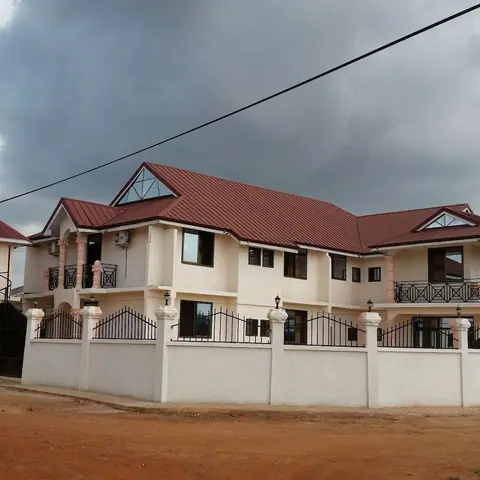 ★★ 2-star
More places to stay
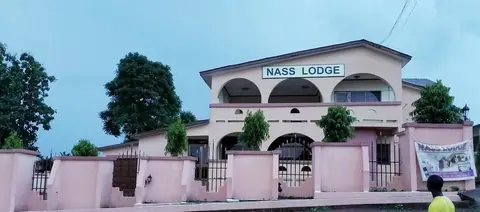
Further listings in the IMPT database with fewer details from the booking supplier (no guest score yet). Check them on the property's page before you book.
Staying in Sunyani Municipal, Bono Region: questions
Where is Sunyani Municipal in Ghana?
Sunyani Municipal is a district of Bono Region in the forest belt of central Ghana. Its capital, Sunyani, is also the regional capital, which is why the district holds most of the region's offices and places to stay. It sits about 104 km in a straight line from Kumasi and is reached by coach, or by air through Accra or Kumasi.
Which airport do you use for Sunyani Municipal?
Most international visitors fly into Accra International Airport, formerly Kotoka, then continue by domestic flight or coach. Prempeh I International Airport at Kumasi is about 105 km from Sunyani in a straight line and is the closer option for anyone arriving from elsewhere in Ghana. Check current flight schedules before planning the last leg.
How far is Sunyani from Kumasi?
Sunyani is about 104 km from Kejetia in Kumasi city centre and about 105 km from Prempeh I International Airport, measured in a straight line. Road distances are longer. Coaches and shared vehicles run the route, and the trip makes a straightforward transfer rather than a complicated journey. Confirm timetables before you travel.
Are there domestic flights to Sunyani Airport?
Sunyani Airport recorded passenger traffic in 2025, alongside Kumasi, Tamale, Takoradi and Wa, while Ho had no scheduled flights that year. Domestic schedules change often, so confirm that a service is running before you build a trip around it. Ghana Airports Company Limited manages the country's airports and publishes current information.
Who should stay in Sunyani Municipal?
The district suits people with business in the regional capital, visiting families, aid and NGO staff, contractors and university visitors. It also works as a stop on the road between Kumasi and the north. Travellers looking for beaches, castles or wildlife should base themselves elsewhere and pass through Sunyani instead, keeping it as a staging point.
How do you get around Sunyani Municipal without a car?
Shared minibuses, known as trotros, run the main town routes and connections to nearby towns, and taxis and app-based cabs cover the rest. Fares are paid in cash, and app estimates help you agree a price. Walking is easy in the centre by day. For rural parts of the district, arrange a car and driver rather than relying on public transport.
What is the weather like in Sunyani through the year?
The climate is tropical, with rains that usually build from about April and ease by November, and a dry, dusty harmattan from about December to March. Sunyani sits between the wetter south and the drier north, so totals vary. Mornings in the harmattan can be hazy. Check a forecast before travelling, since the seasons shift.
What food can you eat in Sunyani Municipal?
Expect fufu with light soup or groundnut soup, banku and kenkey with pepper and fish, jollof rice, and tomato and pepper stews served with rice or gari. Cassava and plantain are the southern staples, with yam, maize and beans eaten nationwide. Chop bars, roadside kitchens and hotel restaurants all serve these dishes, and portions are generous.
Read next
Hotels in Kwadaso, Ashanti RegionKwadaso Municipal is a district of Ashanti Region on the edge of Kumasi, with most of its hotels around Ahodwo. Here is how the area works as a base, and what lies within easy reach.Hotels in Kumasi, Ashanti RegionKumasi Metropolitan is the Ashanti Region district at the heart of Ghana's second city. Most of its hotels cluster around Dakodwom, a short ride from Kejetia Market and the Manhyia Palace Museum.Hotels in Oforikrom, Ashanti RegionOforikrom is a district of Ashanti Region on the northern side of Kumasi, with most of its hotels around Anwomaso. It suits travellers who want quiet nights and short runs into the city.
IMPT Ghana editorial team · Reviewed 13 November 2026. Hotels are placed by their own map pin inside Ghana's official district boundaries (Ghana Statistical Service). Facts checked against the Ghana Tourism Authority (visitghana.com), the Ghana Immigration Service and other official sources listed in our editorial policy. Prices are never shown: live rates open in the IMPT app.
Find a stay in Sunyani
Photo credits: Gyanford, CC BY-SA 4.0, via Wikimedia Commons.