 ★★★★ 4-star
Hotels · Eastern Region
Hotels in Asuogyaman, Eastern Region
Asuogyaman is an Eastern Region district built around Lake Volta and the Akosombo Dam, and most of its places to stay sit near the water. Here is how the area works for a visitor.
IMPT Ghana editorial team · Reviewed 13 November 2026
At a glance
- Region
- Eastern Region, Ghana
- Main hotel base
- Akosombo, by the lake
- Nearest airport
- Accra International (ACC), about 76 km
- Regional capital
- Koforidua, about 41 km
What Asuogyaman is like
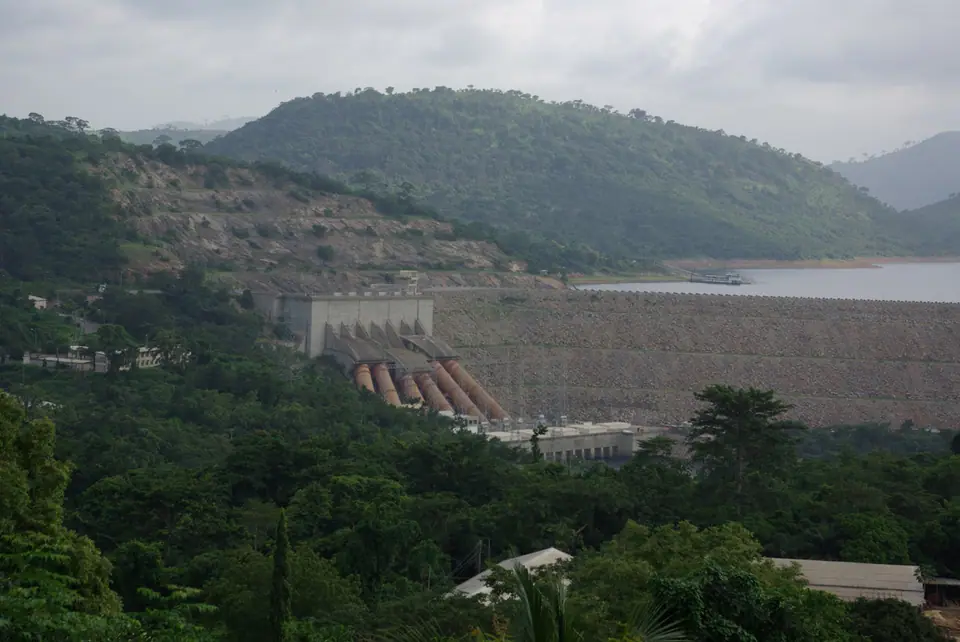
Asuogyaman is a district of the Eastern Region, set where the Volta River leaves Lake Volta on its way south to the sea. Water shapes the place: the lake and its inlets on one side, the river and its crossings on the other, and low green hills between them. The Akosombo Dam, which formed the lake in 1965, is the district's best-known landmark and a popular site for educational visits. The Ghana Tourism Authority lists it among the country's places to see.
The district lies in southern Ghana, so the pattern of two rainy seasons applies: roughly April to June and September to November, with drier months in between. Rains can arrive early or late, so treat those months as a guide rather than a rule. The harmattan, the dry dusty wind from the north, usually reaches this far south weakly and briefly, most often between December and February. Days are warm all year, and the air near the water is humid.
Tip: Opening days, boat timings and road conditions change through the year. Check with the Ghana Tourism Authority or the place you are staying before a long day out.
Towns and neighbourhoods
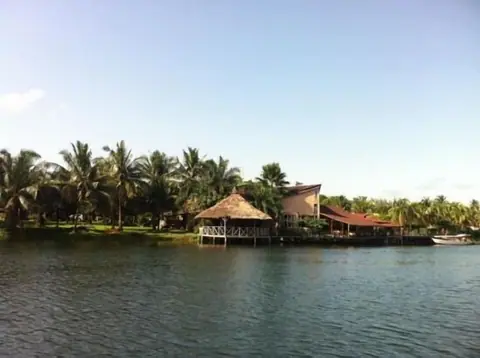
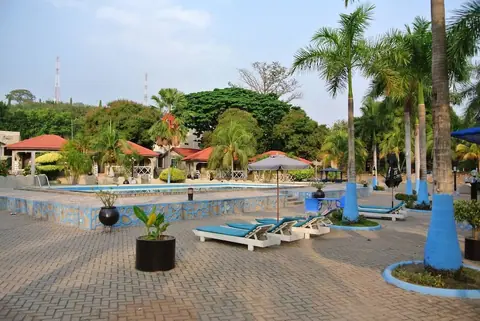
Akosombo is the name most people use for the whole area, and it is where the district's places to stay cluster: on the hillside above the dam, along the road through town, and down by the water. Rooms range from small guesthouses to larger hotels with grounds, pools and lake views. Because the town spreads out, the exact spot matters. A place described as central is convenient for errands and transport; a place on the water is quieter but further from the main road.
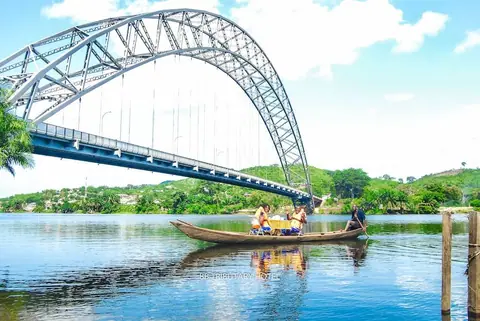
Atimpoku, a short drive from Akosombo, sits at the Adomi Bridge, where the road crosses the Volta into the Volta Region. It has its own small cluster of places to eat and sleep and makes a practical base for the crossing. Further south along the river, Senchi and smaller riverside towns such as Anum and Boso are quieter still. Elsewhere the district is rural, with villages set among farmland and low hills.
- Akosombo: the main base, close to the dam, the lake and most facilities.
- Atimpoku: at the Adomi Bridge, handy for crossing into the Volta Region.
- Senchi and the riverbank: quieter spots with water views and less traffic.
- Riverside towns further south: small, rural and easier to reach with your own transport.
Who should stay here
Asuogyaman suits travellers who want water and hills rather than city streets. It works well as a night or two on the way between Accra and the Volta Region, as a base for a dam visit or a boat trip on the lake, and as a quiet weekend from Accra. Couples, families with older children and people visiting for study or work in the area all find something suitable. Birdwatchers and walkers appreciate the green edges of the lake, where paths lead away from the road.
It suits less well anyone hoping to walk out of a hotel into a choice of bars and restaurants, or to spend days on a beach. The district has no coastal beaches and its evenings are quiet. A car or a driver makes a large difference, because places to stay and eat are spread along the lake road. If you want nightlife, markets and museums on the doorstep, base yourself in Accra or Kumasi and visit Asuogyaman as a trip.
Getting around and to the airport
The nearest airport is Accra International Airport (ACC), about 76 km away in a straight line, and the road route is longer. Most visitors arrive by road, either from Accra through Kpong and Atimpoku or from Koforidua, the Eastern Regional capital, about 41 km away in a straight line. Allow more time than the map suggests: traffic leaving Accra is heavy at peak hours, and the last stretch slows behind lorries and local traffic.
Once here, shared minibuses and taxis cover the main road between Atimpoku and Akosombo and stop where you ask. For the lakeside hotels, the dam road and evening meals, a hired car with a driver is easier. The UK Foreign, Commonwealth and Development Office notes that minibus drivers are not centrally licensed and advises against road travel outside towns after dark. Plan long transfers for daylight and confirm arrangements in advance.
- By air: Accra International Airport (ACC) is the nearest, about 76 km in a straight line.
- By road from Accra: usually via Kpong and Atimpoku on the road towards Ho.
- By road from Koforidua: about 41 km in a straight line, on regional roads.
- Locally: shared minibuses and taxis on the main road, or a hired car for the lakeside.
Eating and what is nearby
Food in Asuogyaman follows the south: cassava and plantain form the base of most meals, with yam, maize and beans alongside. Expect fufu, banku and kenkey served with soups and stews built on tomato, pepper and palm oil, plus jollof rice at gatherings and on many menus. Fish from the lake and river is common, grilled or in soup. Portions are generous and service is usually unhurried, so order when you arrive rather than when you are hungry.
Places to eat fall into a few kinds. Hotel and guesthouse restaurants are the simplest choice for visitors, with longer hours and a wider menu, and many welcome guests who are not staying. Chop bars and small local kitchens serve everyday dishes at low cost and are best judged by how busy they are. Street food and takeaways around Akosombo cover breakfast and quick meals. Vegetarians can eat well, but it helps to ask what is in a stew, since fish and meat stock are common.
The lake is the main draw here: cruises on Lake Volta and trips to Dodi Island can be arranged locally, and the dam area welcomes educational visits. Beyond the district, the wider Eastern Region offers Aburi Botanical Gardens, Boti Falls near Koforidua, and the markets and museums of Koforidua itself. Across the Adomi Bridge, the Volta Region opens up towards Tafi Atome and Wli Falls, both long day trips. Treat distances as rough and check road conditions before setting out.
Tip: Boat trips and dam visits depend on water levels, weather and arrangements on the day. Confirm timings locally the day before you travel.
Where to stay
Hotels in Asuogyaman
9 stays with a guest score or a four- or five-star rating in the IMPT database, five-star first, then four-star, then the rest by the booking supplier's guest score. Prices and availability are live in the IMPT app.
★★★★ 4-star ★★★ 3-star
 ★★★ 3-star
 ★★★ 3-star
 ★★★ 3-star
 ★★★ 3-star
 ★ 1-star
 ★★★ 3-star
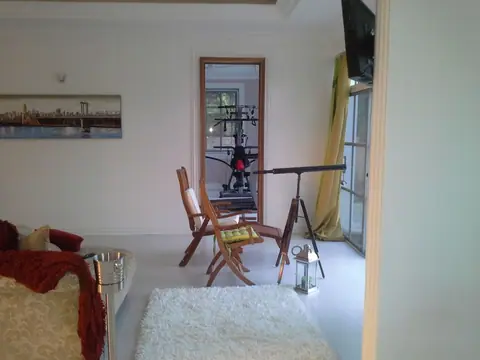 ★★★ 3-star
More places to stay
Further listings in the IMPT database with fewer details from the booking supplier (no guest score yet). Check them on the property's page before you book.
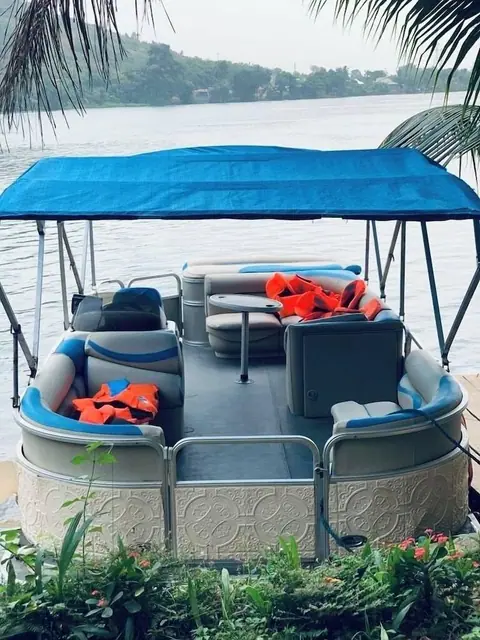
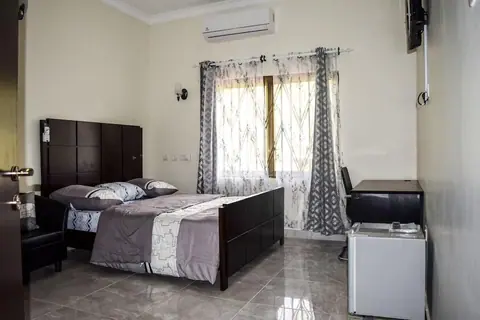
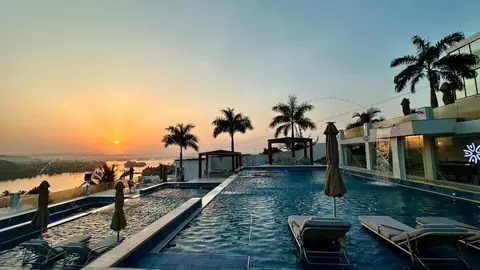
Asuogyaman, Eastern Region: questions
Where do most visitors stay in Asuogyaman?
Most places to stay in Asuogyaman are in and around Akosombo, the town beside the dam and the lake. Rooms there range from small guesthouses to larger hotels with grounds and water views. Atimpoku, at the Adomi Bridge, has a smaller choice, and riverside towns further south are quieter still. Book ahead at weekends and around public holidays.
How do you get from Accra International Airport to Asuogyaman?
By road. Accra International Airport (ACC) is about 76 km from Asuogyaman in a straight line, and the drive is longer, usually through Kpong and Atimpoku. Allow extra time for traffic leaving Accra. A hired car with a driver is the simplest option with luggage; shared minibuses run from Accra but involve changes and stops.
Is Asuogyaman a good base for Lake Volta and the Akosombo Dam?
Yes. The district sits on the lake and the dam is its best-known landmark, with educational visits possible. Cruises on Lake Volta and trips to Dodi Island can be arranged locally. Staying here puts you close to the water rather than driving in from Accra. Check timings for dam visits and boat trips before you travel, as they change.
Do you need a car to get around Asuogyaman?
Not strictly, but it helps. Shared minibuses and taxis run along the main road between Atimpoku and Akosombo and stop on request. Places to stay and eat are spread out along the lake, though, and evenings are quiet. A hired car with a driver makes the dam road, the lakeside and day trips much easier, especially with luggage or children.
What kind of food can you eat in Asuogyaman?
Southern Ghanaian cooking: fufu, banku and kenkey with tomato and pepper soups and stews, plus jollof rice and grilled or stewed fish from the lake. Cassava and plantain are the staples, with yam, maize and beans. Hotel kitchens, chop bars and small local kitchens all serve these dishes. Ask what goes into a stew if you avoid fish or meat.
When should you visit Asuogyaman?
The district sits in southern Ghana, with rains roughly from April to June and September to November, and drier months in between. The harmattan usually reaches this far south lightly between December and February. Water levels affect boat trips, so ask locally. Months are a guide only: rain can arrive early or late, so check the forecast before travelling.
How far is Asuogyaman from Koforidua and Accra?
Koforidua, the capital of the Eastern Region, is about 41 km from Asuogyaman in a straight line, and Accra International Airport is about 76 km. Road distances are longer than those figures, and journey times depend on traffic, especially leaving and entering Accra. Plan transfers for daylight and check current road conditions before setting out.
Can you cross the Volta from Asuogyaman into the Volta Region?
Yes. The Adomi Bridge at Atimpoku carries the main road across the Volta, linking Asuogyaman with the Volta Region. Towns such as Ho lie beyond it, and the routes towards Tafi Atome and Wli Falls start that way. Traffic and road works can slow the approach, so allow time and check conditions before a long drive.
Read next
Hotels in New Juaben SouthNew Juaben South holds Koforidua, the Eastern Region's capital, and most of its hotels sit around Adweso. This guide covers the neighbourhoods, the run to Accra airport, what is nearby and where to eat.Hotels in Akwapem South, Eastern RegionAkwapem South is the hill district north of Accra, where most places to stay cluster around Aburi. This guide covers the towns, the roads, the food and the trips that work from a base on the ridge.Hotels in Ningo/Prampram, Greater AccraNingo/Prampram is the stretch of Greater Accra coast east of Tema, where most hotels sit around Prampram. It is quiet midweek, busy at weekends, and close enough to Accra for a beach base.
IMPT Ghana editorial team · Reviewed 13 November 2026. Hotels are placed by their own map pin inside Ghana's official district boundaries (Ghana Statistical Service). Facts checked against the Ghana Tourism Authority (visitghana.com), the Ghana Immigration Service and other official sources listed in our editorial policy. Prices are never shown: live rates open in the IMPT app.
Find a stay in Asuogyaman
Photo credits: Allison Stillwell at English Wikipedia, CC BY 3.0, via Wikimedia Commons.