 ★★★ 3-star
Hotels · Central Region
Hotels in Gomoa East, Central Region
Gomoa East sits between Accra and Cape Coast, and most of its hotels cluster around Kasoa. This guide covers the district, the transport, the nearby sights and what to expect from a stay.
IMPT Ghana editorial team · Reviewed 13 November 2026
At a glance
- District
- Gomoa East, Central Region
- Hotel base
- Kasoa and nearby
- Airport
- Accra International Airport, about 33 km
- Accra centre
- Independence Square, about 28 km
What Gomoa East is like
Gomoa East is one of the districts of Ghana's Central Region, the region whose capital is Cape Coast. It lies on the coastal plain between Accra and the Central Region's larger towns, with the Gulf of Guinea along its southern edge. The main road corridor towards Cape Coast runs through it, which shapes how people move and where new building has happened. Kasoa is the commercial centre and the place most visitors encounter first, a junction that grew into a market town. It is a working district rather than a tourism strip.
Away from the main road, settlement thins into villages, small farms and stretches of coastal scrub, and the shoreline is used more for fishing and local trade than for resort development. That matters when you are choosing a hotel: the appeal here is space, lower traffic noise and quick access to Accra, not a promenade of cafés and bars at the door. Facilities thin out quickly once you leave Kasoa, so plan errands around the town. Expect a place where tourism is a small part of daily life.
Towns and neighbourhoods
Kasoa is the anchor, and the name most hotels in Gomoa East use in their address. It is a junction town where several routes meet, and trade follows the traffic: markets, workshops, transport yards and shops of every kind. That density is useful if you need supplies, a SIM card or a mechanic, and tiring if you want quiet. The market area is loud and crowded for much of the day. Staying on the quieter edge of town, a short ride from the centre, changes the experience considerably.
Around Kasoa the settlements fall into three rough kinds: roadside suburbs with newer housing, older villages set back from the highway, and fishing communities on the coast. Each has a different feel. The coastal settlements are the most restful for a slow stay, though facilities are thinner and evening food is limited. When you book, ask how far the property is from the junction and whether the access road is tarred, since that one detail shapes every journey you make.
- Kasoa: the junction town with markets, transport and most of the district's services.
- Roadside suburbs: newer housing along the highway, handy for Accra and Cape Coast.
- Inland villages: quieter lanes set back from the main road, with fewer evening food options.
- Coastal settlements: fishing communities on the Gulf of Guinea, best visited in daylight.
Who should stay here
Gomoa East suits travellers who want Accra within reach without sleeping in the capital. If your days are spent around Jamestown, Makola or the museum district, a hotel here can be a calmer place to return to, provided you accept the commute. It also suits anyone driving on to Cape Coast, Elmina or Kakum, since the district sits along that route. Families and longer-stay visitors often prefer it for the extra space, and groups travelling by car find parking easier than in the city.
It suits less well anyone who wants to step out of the room into restaurants, bars and a beach. Gomoa East is spread out, evening options are limited outside Kasoa, and most movement needs a vehicle. Light sleepers should ask about distance from the highway and from churches, which are busy on Sundays and often audible several streets away. Guests without their own transport should confirm before booking whether pickups can be arranged, particularly for late arrivals. None of this rules out a good stay, but it rewards planning.
Tip: Ask for a location pin before booking and check the last stretch on a map. A property that looks close to Kasoa can still be a long ride from the junction.
Getting around and to the airport
Accra International Airport, still widely known as Kotoka, is the airport serving this district. It lies about 33 km from Gomoa East in a straight line, and the road journey is longer once traffic is counted. Independence Square in central Accra is about 28 km away in a straight line. Allow generous time and avoid cutting an international connection fine. The stretch north from Kasoa is the slowest part, so check the current journey time with your hotel on the day you travel.
Within the district, shared minibuses, known as trotros, run the main routes and pick up passengers where demand exists rather than at marked stops. Ride-hailing apps work around Kasoa, though availability thins after dark and further from the junction. Intercity coaches pass along the main corridor towards Accra and Cape Coast. The UK Foreign, Commonwealth and Development Office notes that trotro drivers are not centrally licensed and advises against road travel outside towns after dark, so plan daylight journeys where you can.
- Jamestown walking tour, about 26 km: the old Accra quarter, its lighthouse and harbour.
- Makola Market, about 26 km: central Accra's large trading market on Kojo Thompson Road.
- Kwame Nkrumah Memorial Park, about 27 km: the mausoleum, museum and redeveloped grounds.
Eating and practical tips
Food in Gomoa East follows the southern pattern, with cassava and plantain as the staples and yam, maize and beans alongside. You will find fufu, banku and kenkey, jollof rice, and the tomato and pepper soups and stews that go with them, usually with fish or chicken. Kenkey comes in Ga and Fante versions, and both are worth trying. Breakfast tends to be lighter: porridge, bread, eggs and tea, eaten early before the day's work.
Most everyday eating happens at small open-fronted kitchens and roadside stalls, where a handful of dishes is cooked each day and sold until it runs out. The market area in Kasoa has the widest choice, including grilled meat and fish in the evening. Sit-down restaurants are mostly attached to hotels or strung along the highway, and they are the simplest option if you are unsure about pepper. Ask what is fresh that day rather than working through a long menu.
The practical side is simple. Ghana uses the cedi, the plug is the British three-pin type G at 230 volts, and the country keeps GMT all year without daylight saving. A yellow fever vaccination certificate is required on entry. The harmattan, a dry and dusty wind, blows roughly December to March. Check the Ghana Immigration Service portal for visa or travel authorisation eligibility before booking, and keep small notes for everyday purchases.
Tip: Southern Ghana has two rainy seasons, roughly April to June and September to November. A light waterproof and a spare pair of shoes are worth packing.
Where to stay
Hotels in Gomoa East
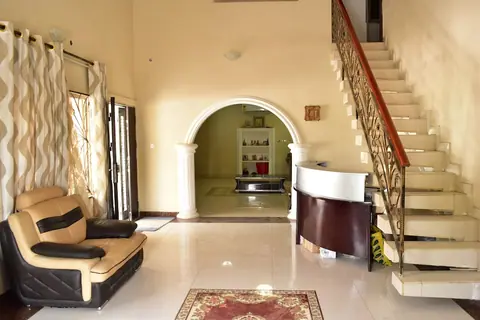
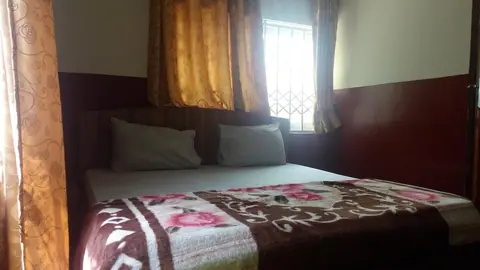
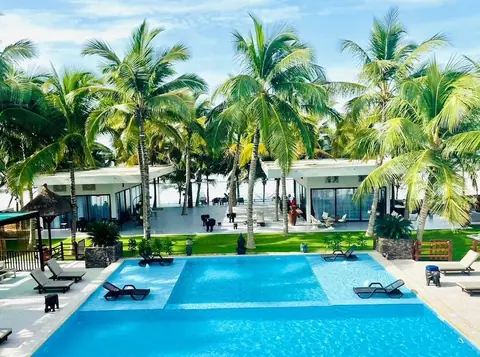
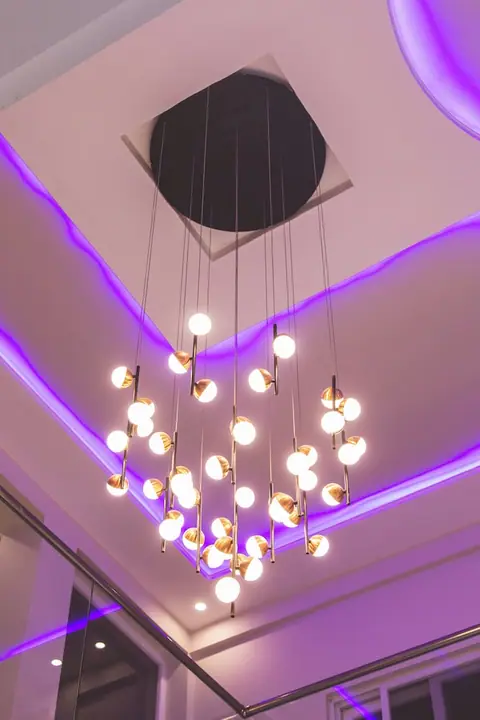
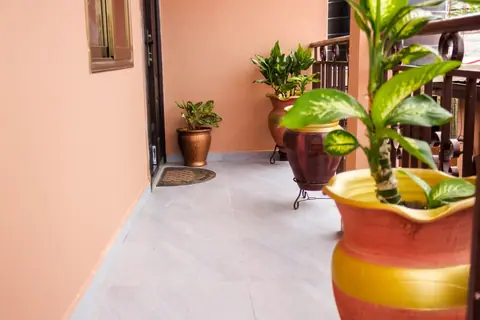
5 stays with a guest score or a four- or five-star rating in the IMPT database, five-star first, then four-star, then the rest by the booking supplier's guest score. Prices and availability are live in the IMPT app.
★★★ 3-star ★★★ 3-star
 ★★★ 3-star
 ★★★ 3-star
 ★★★ 3-star
More places to stay
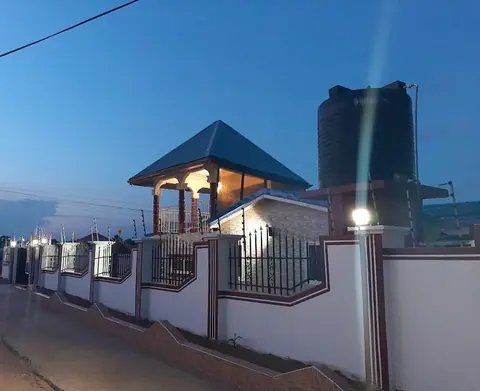
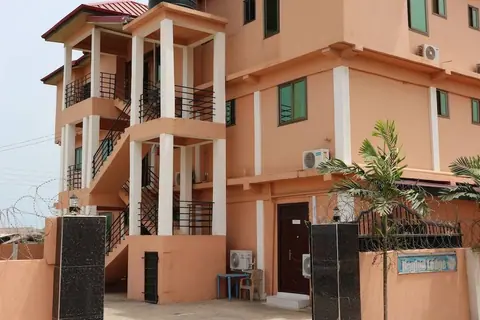
Further listings in the IMPT database with fewer details from the booking supplier (no guest score yet). Check them on the property's page before you book.
Gomoa East, Central Region: questions
Where do most hotels in Gomoa East sit?
Most are around Kasoa, the district's commercial centre and the point where several routes meet. That puts shops, transport and food within easy reach, but it also means traffic and noise. Properties on the quieter edges of town, or nearer the coast, trade convenience for calm, and you will need a vehicle for everyday errands.
How far is Gomoa East from Accra International Airport?
About 33 km in a straight line from Accra International Airport, and roughly 28 km from Independence Square in central Accra. Road distances are longer and journey times depend heavily on traffic around Kasoa. Check the current journey time with your hotel before setting out for a flight, and leave a wide margin.
Is Gomoa East a practical base for sightseeing in Accra?
It can be. Jamestown is about 26 km away, Makola Market about 26 km and the Kwame Nkrumah Memorial Park about 27 km, all measured in straight lines. Days in the capital are feasible, but the commute takes a bite out of morning and evening. Plan one main area per day rather than crossing the city repeatedly.
Do you need a car to get around Gomoa East?
Not strictly, but it helps. Trotros cover the main routes and ride-hailing apps work around Kasoa, thinning out after dark and away from the junction. The UK Foreign, Commonwealth and Development Office advises against road travel outside towns after dark. Visitors planning several stops a day should agree a driver or use hotel transport.
What food is typical of Gomoa East?
Southern Ghanaian cooking: fufu, banku and kenkey with soups and stews, jollof rice, and plenty of cassava and plantain. Small open-fronted kitchens and roadside stalls do most of the everyday cooking, while hotel and highway restaurants offer sit-down meals. Ask what has been prepared that day, and say clearly if you want less pepper.
Which airport serves Gomoa East?
Accra International Airport is the gateway for the district, about 33 km away in a straight line, and the government restored the airport's original name in February 2026. Terminal 3 opened in 2018. Road journeys take longer than the straight-line figure suggests, so build in time for the Kasoa stretch, particularly at peak hours.
When should you visit Gomoa East?
Southern Ghana has two rainy seasons, roughly April to June and September to November, while the harmattan brings dry, dusty air from about December to March. The coast is comparatively dry. School holidays and public holidays are busier. Check the year's gazetted holiday dates, since some now move to the nearest Friday or Monday.
What should you pack for a stay in Gomoa East?
A yellow fever certificate is required on entry, so keep it with your travel documents. Bring a type G three-pin adaptor, since sockets are British-style at 230 volts, plus a light waterproof for the rainy seasons and modest clothing for churches and markets. Cash in cedis is useful for small purchases away from card machines.
Read next
Hotels in Weija Gbawe, Greater AccraWeija Gbawe is a district of Greater Accra that mixes residential Accra with a stretch of Atlantic coast, and most of its hotels sit near Kokrobite. Here is how the area works for a visitor.Hotels in Ablekuma West, Greater AccraAblekuma West is a residential district of Greater Accra, with most of its hotels around Dansoman and the city centre about 7 km away. Here is how to choose a base and what lies within reach.Hotels in Ablekuma Central, AccraAblekuma Central is a district of Greater Accra where most places to stay cluster around Kaneshie, a busy market and transport hub a short ride from central Accra.
IMPT Ghana editorial team · Reviewed 13 November 2026. Hotels are placed by their own map pin inside Ghana's official district boundaries (Ghana Statistical Service). Facts checked against the Ghana Tourism Authority (visitghana.com), the Ghana Immigration Service and other official sources listed in our editorial policy. Prices are never shown: live rates open in the IMPT app.