 ★★★★ 4-star
Hotels · Greater Accra
Hotels in Weija Gbawe, Greater Accra
Weija Gbawe is a district of Greater Accra that mixes residential Accra with a stretch of Atlantic coast, and most of its hotels sit near Kokrobite. Here is how the area works for a visitor.
IMPT Ghana editorial team · Reviewed 13 November 2026
At a glance
- Region
- Greater Accra
- Airport
- Accra International, 21.4 km
- City centre
- Independence Square, 17.2 km
- Beach base
- Kokrobite, on the coast
What Weija Gbawe is like
Weija Gbawe Municipal is one of the districts of Greater Accra, set on the western side of the capital region where the city gives way to coast. It takes its name from two towns, Weija and Gbawe, and runs south to the Atlantic. Weija is known for the dam on the Densu River that helps supply Accra with water. The district is mostly housing and small industry, with the beach as its holiday edge, so visitors come for the sand and the slower pace rather than for a dense cluster of sights.
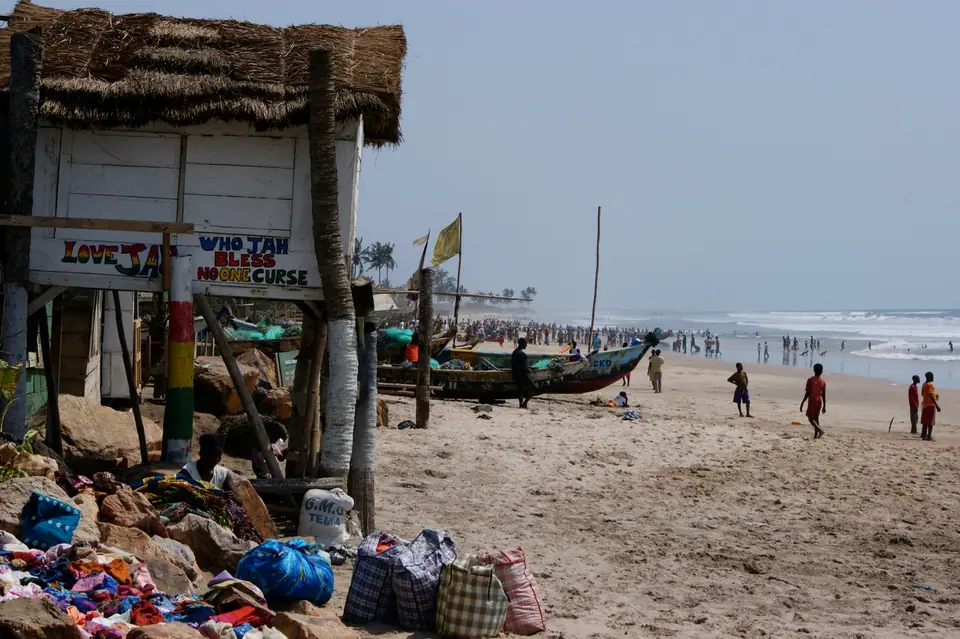
Most of the district's hotels are around Kokrobite, the beach village on the coast road south-west of Weija. The sand is wide and backed by palms and low buildings, and the mood is easy: fishing canoes at one end, visitors swimming and eating grilled fish at the other. Weekends and public holidays are busier, when people drive out from Accra for the day. Away from the beach, Weija Gbawe is ordinary, working Greater Accra: markets, churches, schools, workshops and a steady flow of traffic.
Towns and neighbourhoods
Three names cover most of what a visitor needs to know. Weija is the junction town where the main road west from Accra meets the turnings for the coast, and it holds markets, banks, filling stations and the everyday services you would expect at the edge of a capital city. Gbawe spreads inland from there, largely residential, with houses, churches, schools and small businesses. Kokrobite is the coastal part of the picture, reached by a road that runs south and ends at the sea. Each has a different feel, and they sit close together on the map.
The shoreline west of the Densu mouth carries fishing villages, weekend houses and small hotels, linked by a coast road. Do not expect a seafront promenade or a walkable resort strip. Places sit behind walls and hedges, and the gaps between them are long enough that most visitors take a car or a taxi in the evening. The reward is space and quiet, a long beach that rarely feels crowded outside weekends, and a skyline of palms rather than towers.
- Weija is the junction town on the main road west out of Accra, with markets and everyday services.
- Gbawe is the residential side, inland from Weija, with houses, schools and small businesses.
- Kokrobite is the beach village where most of the district's hotels are found.
- The coast road west of Kokrobite links fishing settlements and quieter stretches of sand.
Who should stay here
Weija Gbawe suits travellers who want the sea within reach and Accra on the same trip. Beach-focused visitors do well here: you can swim, eat fish by the water and be back at your room in minutes. Families and groups often prefer it to the centre because rooms come with space and parking, and the pace is calmer. Longer stays and volunteers working in the western suburbs use it as a base, driving in for work and out for the weekend. Weekend stays book up first, particularly around public holidays.
It is a less obvious choice if your days are built around central Accra. The museums, the old quarter at Jamestown and the big markets are a drive away, and traffic can make that drive long at peak hours. Travellers without a car or a driver should think about how they will get home after dinner. Anyone with an early flight may prefer somewhere closer to the airport, though the run from Kokrobite is manageable outside rush hour.
Tip: Weekends and public holidays are the busiest stretch on the coast, so book ahead if you want a room facing the sea.
Getting around and to the airport
Distances here are short on the map and longer on the road. Trotros and shared taxis run along the main road towards Accra and cover the first stretch, though they are crowded and stop often. A taxi or a hired car with a driver is easier for the beach road, where traffic is light but passing vehicles are few. Driving yourself is straightforward if you are comfortable with Ghanaian roads, and fuel is available around Weija. For longer coastal hops, agree the route and the return time first.
Accra International Airport is about 21.4 km away in a straight line, and further by road. Independence Square in the city centre is about 17.2 km in a straight line. Traffic can add a great deal to either trip, especially at peak hours and in the rain, so leave a margin. The UK Foreign, Commonwealth and Development Office advises against road travel outside towns after dark, so plan longer journeys for daylight and check the current advice before you book.
- Trotros and shared taxis run on the main road towards Accra.
- A taxi or a hired car with a driver is easier for the coast road.
- Accra International Airport is about 21.4 km away in a straight line.
- Independence Square in central Accra is about 17.2 km away in a straight line.
Tip: Avoid travelling on rural roads after dark, in line with current UK Foreign, Commonwealth and Development Office advice, and recheck that advice before you travel.
Nearby sights, eating and practicalities
Day trips from Weija Gbawe mostly head east into Accra. A walking tour of Jamestown, the old quarter around the lighthouse, is about 14.9 km away in a straight line; Makola Market in central Accra is about 15.6 km; and the Kwame Nkrumah Memorial Park, with the mausoleum and museum, is about 16 km. Closer to hand is the beach itself, with canoes to watch in the morning. Further west lie the castles at Cape Coast and Elmina, and the canopy walkway at Kakum National Park.
Food in the district is plain, fresh and mostly Ghanaian. Expect banku and kenkey with pepper and fish, fufu with light soup, jollof rice, and grilled tilapia or red fish with plantain, often eaten on the sand in the evening. Waakye is a common morning plate from roadside stalls. Kinds of places to look for include beach shacks with plastic chairs, roadside chop bars, small hotel restaurants and takeaways along the main road. Portions are generous and the fish is usually landed nearby.
A few practical habits make the stay easier. Bring cash in cedis, since smaller places on the coast may not take cards, and use ATMs around Weija rather than relying on the beach. Sockets are type G at 230 volts, so British plugs fit without an adapter. Take mosquito precautions in the evening and drink bottled or filtered water. Southern rains run roughly April to June and September to November, and harmattan haze arrives from about December to March. Ask locally about sea conditions before swimming.
Where to stay
Hotels in Weija Gbawe
25 stays with a guest score or a four- or five-star rating in the IMPT database, five-star first, then four-star, then the rest by the booking supplier's guest score. Prices and availability are live in the IMPT app.
★★★★ 4-star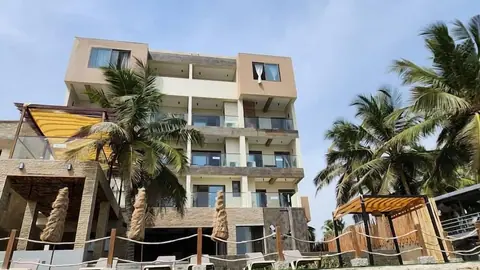 ★★★ 3-star
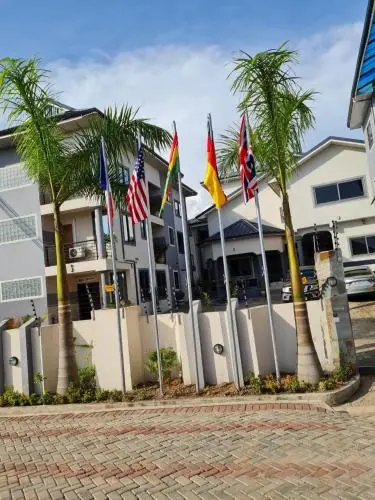
Serenity Terraces Beach Hotel Kokrobite
Kokrobite4.8Guest score from the booking supplier · 306 reviews ★★★ 3-star
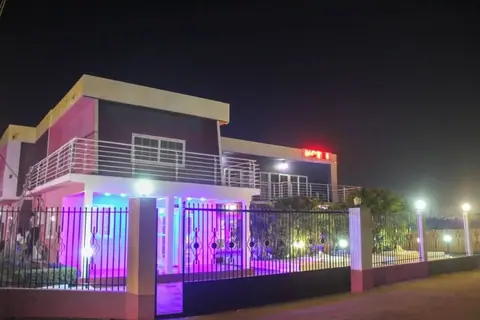 ★★ 2-star
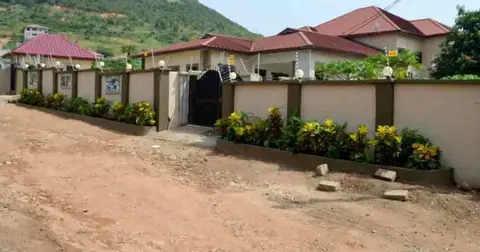 ★★ 2-star
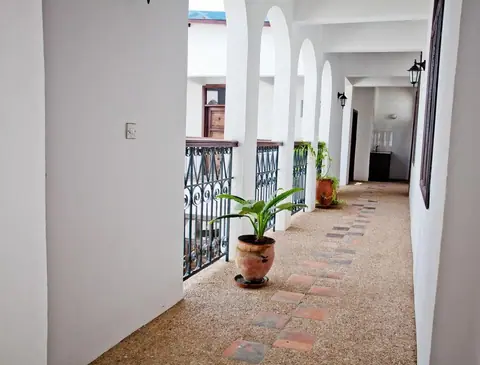 ★★★ 3-star
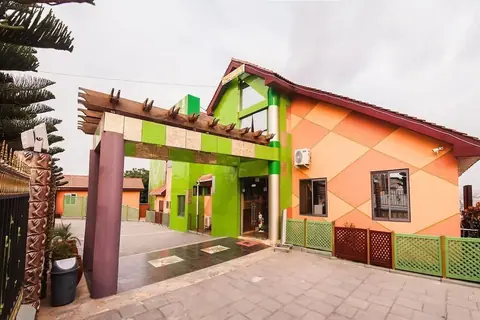 ★★★ 3-star
 ★★★ 3-star
 ★★★ 3-star
 ★★★ 3-star
 ★★★ 3-star
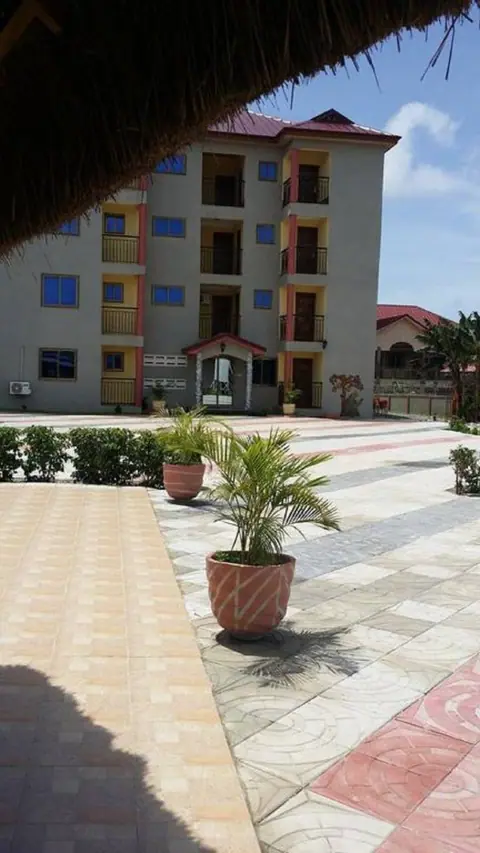 ★★ 2-star
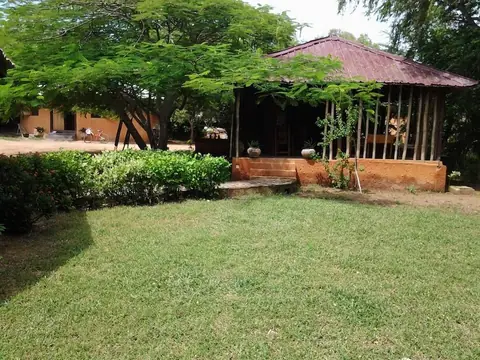 ★ 1-star
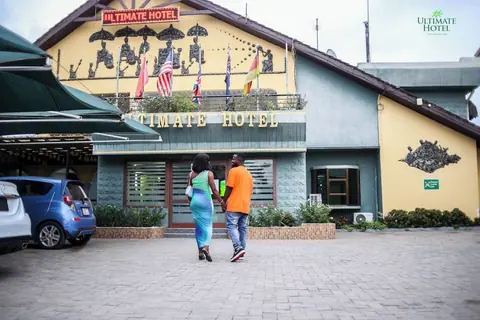 ★★★ 3-star
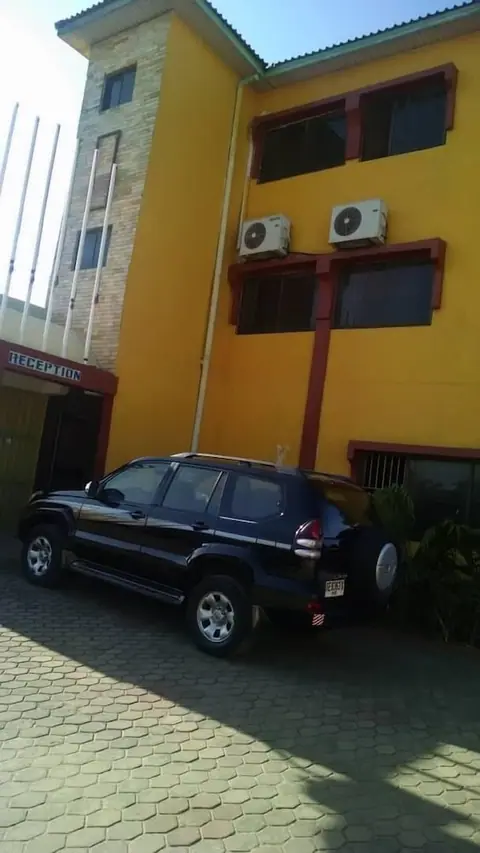 ★★★ 3-star
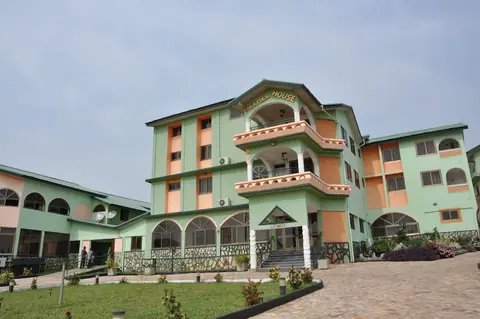 ★★★ 3-star
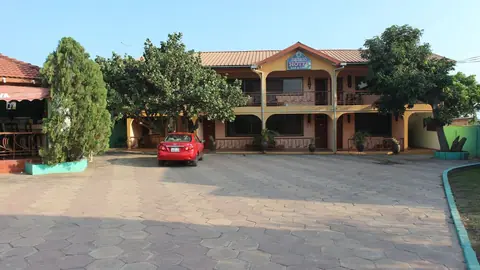 ★★★ 3-star
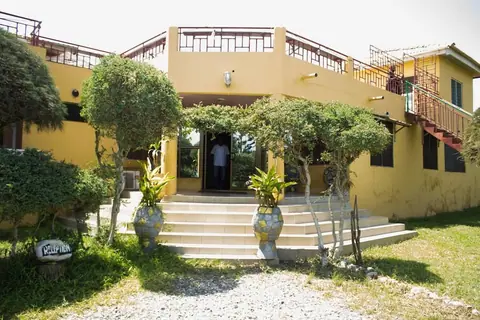 ★★★ 3-star
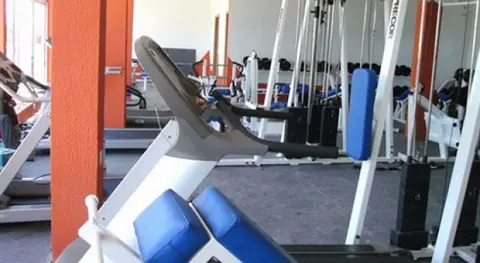 ★★★ 3-star
 ★★★ 3-star
Weija Gbawe, Greater Accra: questions
Where are the hotels in Weija Gbawe?
Most are around Kokrobite, the beach village on the district's coast, where rooms sit close to the sand. Others are scattered in Weija and Gbawe, near the main road and the junction, which suits travellers who want shops and transport on the doorstep. Beach stays are quieter; town stays are more practical.
How far is Weija Gbawe from Accra International Airport?
The airport is about 21.4 km from the district in a straight line, and further by road. Independence Square in central Accra is about 17.2 km away in a straight line. Traffic can add a lot to either journey, particularly at peak hours and in heavy rain, so allow a margin before a flight.
Can you swim at Kokrobite beach in Weija Gbawe?
People do swim, and the beach is the reason many visitors choose the district. The Atlantic surf can be strong and there is no guarantee of lifeguards, so ask locally about conditions, stay within your depth and never swim alone. Early morning and late afternoon are the pleasant times to be on the sand.
How do you get around Weija Gbawe without a car?
Trotros and shared taxis run on the main road towards Accra and cover the first stretch from the district. For the beach road, a taxi or a hired car with a driver is easier, since passing vehicles are few. Agree the route and the return time before you set off.
What food is served in Weija Gbawe?
Expect Ghanaian staples: banku and kenkey with pepper and fish, fufu with light soup, jollof rice, and grilled tilapia or red fish with plantain. Beach shacks, roadside chop bars, small hotel restaurants and takeaways along the main road all serve versions of these. Fish is usually landed nearby, and portions are generous.
When should you visit Weija Gbawe?
The southern rainy seasons run roughly April to June and September to November, so drier months are easier for beach time. Harmattan haze arrives from about December to March and can soften the light without bringing rain. Weekends and public holidays are busiest on the coast, so plan around them if you want quiet.
Who should stay in Weija Gbawe?
The district suits beach-focused visitors, families and groups who want space and parking, and longer stays in western Accra. It is less handy for travellers whose days centre on museums and markets in the city, since those are a drive away, and for anyone with an early flight who wants to be close to the airport.
What is near Weija Gbawe for a day out?
Jamestown, with its lighthouse and walking tours, is about 14.9 km away in a straight line; Makola Market is about 15.6 km; and the Kwame Nkrumah Memorial Park is about 16 km. Further west lie the castles at Cape Coast and Elmina and the canopy walkway at Kakum National Park, each a long day trip.
Read next
Hotels in Ablekuma West, Greater AccraAblekuma West is a residential district of Greater Accra, with most of its hotels around Dansoman and the city centre about 7 km away. Here is how to choose a base and what lies within reach.Hotels in Gomoa East, Central RegionGomoa East sits between Accra and Cape Coast, and most of its hotels cluster around Kasoa. This guide covers the district, the transport, the nearby sights and what to expect from a stay.Hotels in Ablekuma Central, AccraAblekuma Central is a district of Greater Accra where most places to stay cluster around Kaneshie, a busy market and transport hub a short ride from central Accra.
IMPT Ghana editorial team · Reviewed 13 November 2026. Hotels are placed by their own map pin inside Ghana's official district boundaries (Ghana Statistical Service). Facts checked against the Ghana Tourism Authority (visitghana.com), the Ghana Immigration Service and other official sources listed in our editorial policy. Prices are never shown: live rates open in the IMPT app.
Find a stay in Weija Gbawe
Photo credits: Annabel Symington, CC BY 2.0, via Wikimedia Commons.