Tamale and Mole: an area guide
Tamale is the largest city in the north and the natural gateway to Mole, Ghana's first and biggest national park. This guide covers the character of both and who they suit.
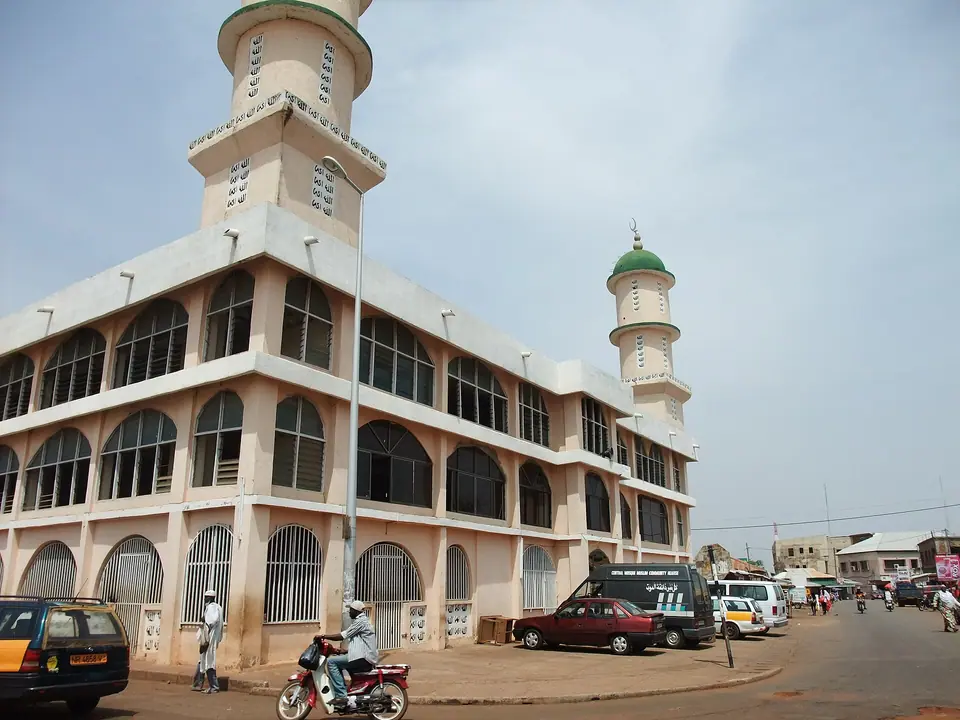
- Region
- Northern Region, capital Tamale
- Nearby park
- Mole, in Savannah Region
- Airport
- Tamale Airport, about 17 km from centre
- Best months
- Dry season, roughly November to March
The character of Tamale
Tamale is the capital of the Northern Region and the biggest city in the north of Ghana. It sits on flat savannah country, hot and dry for much of the year, with the harmattan wind blowing dust down from the desert roughly between December and March. The city is a transport hub and a market town as much as a visitor destination, and that is part of its appeal: you see a working northern city rather than a resort.
Dagbanli is widely spoken alongside English, and Islam is well established, so you will see mosques and hear the call to prayer. Friday is a quieter day for some businesses. The city spreads along broad roads with a busy central market, and the pace is slower than Accra's. Mornings are the best time to move around; by early afternoon the heat slows everything down. Dress modestly and ask before photographing people.
Tip: The north is hotter and drier than the coast. Carry water, wear a hat and plan outdoor activity for the early morning.
Mole and the wider region
Mole National Park lies in the Savannah Region, west of Tamale, and covers 4,577 km² of Guinea savannah. It is Ghana's first and largest protected area and holds the country's most viable elephant population. It has been on UNESCO's Tentative List since 2000 and is managed by the Wildlife Division of the Forestry Commission. Walking safaris with an armed ranger are the usual way to see animals, and elephants are the main draw.
The wider north rewards slow travel. The road west from Tamale passes through open country with shea trees and small villages. Larabanga, near Mole's southern edge, has a Sudanese-style mud-and-stick mosque thought to be the oldest in Ghana, with a date often given as 1421 and disputed; it is on the World Monuments Fund watch list. Damongo is the Savannah regional capital. Further afield, Paga's sacred crocodile ponds and the Pikworo Slave Camp sit near the Burkina Faso border in the Upper East.
- Larabanga Mosque, a mud-and-stick building on the World Monuments Fund watch list.
- Damongo, the quiet capital of the Savannah Region, on the road towards Mole.
- Paga crocodile ponds in the Upper East, where guided visits are the norm.
- The Pikworo Slave Camp at Paga Nania, a site with guided tours.
Eating and evenings
Food in Tamale follows the northern staples: millet and sorghum, with yam, maize and beans eaten across the country. Rice dishes, groundnut soup and grilled meat are common, and the city has plenty of small chop bars and simple dining rooms serving rice and stew, waakye in the morning, and grilled tilapia in the evening. Portions are generous and the cooking is plain rather than polished. Vegetarians can eat well on rice, beans, plantain and vegetable stews, though it helps to ask what is in a dish.
Evenings are low-key. People sit outside as the heat drops, and there is a steady trade in street food and soft drinks. Alcohol is available in the city but less visible than in Accra or Kumasi, and the Muslim majority means some places do not serve it. Nightlife is limited and transport thins out after dark. If you want bars, clubs and late restaurants, this is not the place for them.
Tip: The FCDO advises against road travel outside towns after dark. Plan evening meals close to where you are staying.
A day in Tamale
Start early while the air is cool. Walk the central market area, where produce comes in from the surrounding countryside: yam, grain, shea products and cloth. It is busy and dusty rather than curated, and it is the quickest way to understand how the north trades. Ask before taking photographs and keep bags close. Afterwards, take a slow loop through the residential streets, where compounds sit behind low walls and bread is baked in small ovens.
In the afternoon, visit the regional Centre for National Culture for crafts and weaving, then rest through the hottest hours. As the sun drops, head out for grilled meat or tilapia and a cold drink. If you have a full day spare, Mole is too far for a comfortable day trip, so treat the park as a separate stay of at least one night rather than an excursion from the city.
- The central market, best visited in the cool of the morning.
- The regional Centre for National Culture, for crafts and local weaving.
- A trip to Mole, planned as an overnight rather than a day excursion.
- Early morning streets, when the light is good and the heat is low.
Who it suits
Tamale suits travellers who are curious about how a northern Ghanaian city works and who are happy to move at a slow pace. It suits people combining a city stay with a safari in Mole, and anyone interested in Islamic architecture, markets and craft. It also suits birdwatchers and photographers who value wide savannah light. Couples and independent travellers do fine here, and the city is manageable on foot in the centre.
It does not suit anyone who wants a beach, a resort atmosphere or a packed evening scene. Access needs matter: pavements are uneven, kerbs are high and the heat is tiring. If you need step-free routes throughout, or you are travelling with someone who finds dust and heat difficult, the coast will be easier. Families with young children should plan short outings and plenty of rest.
Getting there and choosing a base
Accra International Airport, called Kotoka until the name was restored in 2026, is the main point of entry. Tamale Airport is about 17 km from the city centre and had the second-highest number of domestic flights in 2025 after Kumasi, according to airport data. Schedules change, so check before booking. Intercity coaches run between the south and Tamale, and shared minibuses, called trotros, cover local routes. The UK FCDO notes that trotro drivers are not centrally licensed.
For the city, choose a base near the centre so the market and eating places are within reach. For Mole, stay near the park gate so you can join early walks and avoid a long drive in the dark. Many visitors split the trip: two or three nights in Tamale and two near Mole. Check current entry fees, opening days and road conditions with the Ghana Tourism Authority or the park directly before you travel. A car with a driver for the day is often simpler than piecing together trotros.
Frequently asked questions
What is Tamale like for a first-time visitor?
Tamale is a hot, spread-out savannah city and the capital of the Northern Region. It is a working market town rather than a tourist centre, with a busy central market, mosques and a slow pace. Most visitors use it as a base for the north and for trips onward to Mole National Park.
How far is Mole National Park from Tamale?
Mole lies west of Tamale in the Savannah Region, and the drive takes several hours on the road. It is too far for a comfortable day trip, so plan at least one night near the park gate. Check current road conditions and driving times before you set out.
When is the best time to visit Tamale and Mole?
The dry months from about November to March are easiest, when roads are firm and wildlife gathers at water. The harmattan blows roughly December to March, bringing dust and hazy light. Rains fall roughly April to mid-October in the north, peaking around August and September, when some tracks become difficult.
What can you see at Mole National Park from Tamale?
Mole covers 4,577 km² of Guinea savannah and is Ghana's first and largest protected area. It holds the country's most viable elephant population and has been on UNESCO's Tentative List since 2000. Walking safaris with a ranger are the usual way to see wildlife, and early morning is best. It is a long drive west of Tamale, so plan an overnight.
Do you need a guide at Mole when based in Tamale?
Yes. Walking in the park is done with an armed ranger, and guided walks are the standard way to see animals. Arrange walks at the park rather than setting out alone. Fees and timings change, so confirm them with the Wildlife Division of the Forestry Commission or at the park entrance. From Tamale, that means planning a night near Mole.
Is Tamale a good base for exploring northern Ghana?
It works well as a transport hub, with an airport about 17 km from the centre and coach links south. Mole and Larabanga are reachable by road, and the Upper East sites are further still. Split your stay between Tamale and a lodge near Mole rather than trying to cover everything from one base.
What food should you try in Tamale?
Expect millet and sorghum dishes in the north, alongside yam, maize and beans. Rice with groundnut soup, grilled tilapia and street food are common, and waakye appears in the morning. Chop bars and simple dining rooms serve generous portions. Ask what is in a dish if you avoid meat.
Who should skip Tamale and Mole?
Anyone wanting beaches, a resort feel or busy nightlife will be happier on the coast. The heat, dust and uneven ground make the city tiring for people with limited mobility or with young children. Those short on time may prefer to concentrate on Cape Coast, Kumasi or Accra instead.
Read next
IMPT Ghana editorial team · Reviewed 13 November 2026. Facts checked against the Ghana Tourism Authority (visitghana.com), the Ghana Immigration Service and other official sources listed in our editorial policy. Prices are never shown: live rates open in the IMPT app.
Find a stay in Northern Region
Photo credits: ARC - The Alliance of Religions and Conservation, CC BY 2.0, via Wikimedia Commons.