 ★★★ 3-star
Region · capital Tamale
Hotels in the Northern Region of Ghana
Tamale is the transport hub and the natural base for hotels in the Northern Region of Ghana. The rest of the region is savannah, farming towns and Dagbon royal history, best seen on day trips.
IMPT Ghana editorial team · Reviewed 13 November 2026
At a glance
- Region capital
- Tamale, Ghana's northern hub
- Main airport
- Tamale Airport (TML)
- Dry season
- November to March
- Local transport
- Trotros and shared taxis
The character of the region
The Northern Region is savannah country: open grassland, shea trees, baobab, and farms of maize, yam and rice. It lies in the north of Ghana, with Togo to the east, the Savannah Region to the west and the North East Region to the north. The dry season turns the grass gold and the harmattan haze softens the horizon. Rains from about April to mid-October bring the green back. Days are hot all year, and nights in the harmattan can be cool, so a light layer helps. Distances are long and settlements are spread out.
The region is the heartland of Dagbon, the kingdom of the Dagomba people, whose language is Dagbani. Chieftaincy shapes public life, and the Ya-Na, the king of Dagbon, holds court in Yendi. Most people farm, and millet, sorghum, yam and rice all come from these fields; shea butter is made and sold locally. Islam is widespread in Tamale and the northern towns, and Friday prayers mark the week. Fugu, the hand-woven smock, is made and worn across the region and sold in its markets.
Tamale, the regional capital
Tamale is the regional capital and the largest city in northern Ghana, a low-rise place of wide roads, roundabouts and walled compounds. It is the administrative and commercial centre for the whole north, with the airport, a teaching hospital, universities and the regional offices of government agencies. The city is majority Muslim and its mosques are part of the skyline. Tamale is the natural base for a stay in the region, and hotels in the Northern Region are concentrated here rather than in the smaller towns. Traffic is manageable outside the morning and evening peaks.
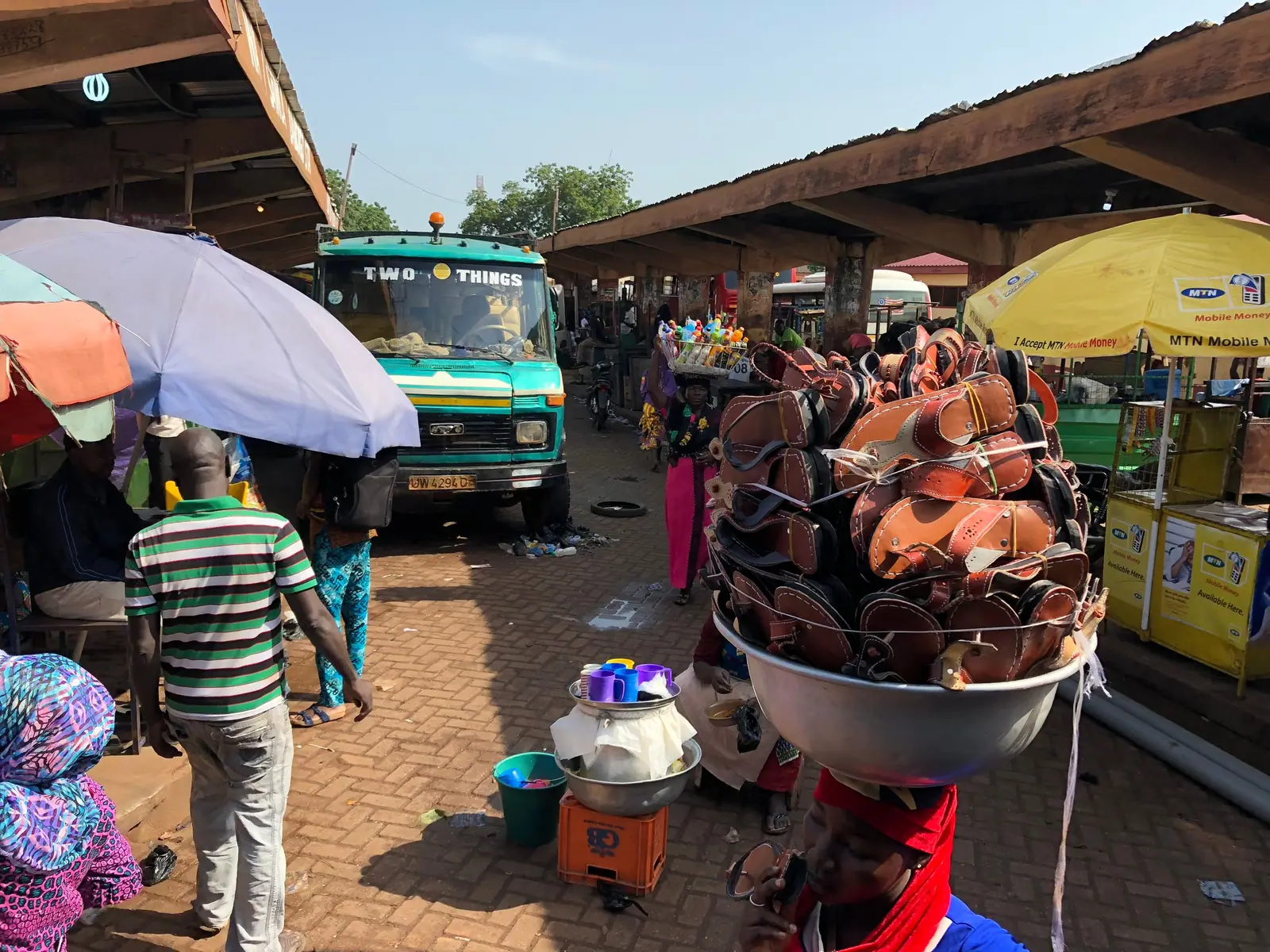
Daily life runs on the central market, where yam, grain, cloth and household goods come in from the surrounding villages. Food is northern and filling: tuo zaafi made from millet or maize, served with ayoyo or groundnut soup, plus rice, beans and grilled meat in the evenings. Tailors will run up a fugu smock to measure, so allow time for a fitting. Away from the market, the city is calm, with broad avenues for walking in the cooler hours and plenty of places for a cold drink after a hot afternoon.
- Start at the central market in the morning, when produce arrives from nearby villages.
- Order tuo zaafi at a simple eating house and eat it the way locals do, with the right hand.
- Have a fugu smock tailored and take it home as the most useful souvenir of the north.
- Visit on a Friday to see the city at prayer time, and dress modestly near mosques.
Towns across the region
Yendi, east of Tamale, is the seat of the Ya-Na and the Gbewaa Palace, and the most important town in Dagbon after the capital. It is a market town on the road towards the Togo border, with a strong sense of its own history. Savelugu, on the road north, is another chiefly town with a large market. Both are straightforward day trips from Tamale, though the roads repay an early start and a driver who knows them. A local guide makes sense, since the chieftaincy system is intricate and easy to misread.
Beyond these, the region thins out into farming districts: Saboba, Zabzugu and Tatale towards the eastern border, Gushegu and Karaga to the north-east, Kumbungu and Tolon to the north-west, and Bimbilla in the south. Accommodation outside Tamale is simple, often a handful of rooms behind a courtyard, and it is worth confirming a bed before setting off. The reward is quiet roads, weekly markets, and a chance to see how the savannah economy actually works at close range.
- Yendi holds the Gbewaa Palace and the court of the Ya-Na, the most senior skin in Dagbon.
- Savelugu, north of Tamale, has a long-established market and a chiefly court.
- Saboba and Zabzugu lie on quiet roads close to the Togo border.
- Bimbilla, in the south of the region, is a Nanumba town with a weekly market.
Getting there and around
Tamale Airport (TML) is the region's air gateway, with domestic flights from Accra and a terminal that handles arrivals quickly. Schedules change, so confirm times with the operator when you book and allow slack for connections. By road, long-distance air-conditioned coaches run from Accra and Kumasi to Tamale, and the journey is long enough to justify an overnight stop or an early start. Roads vary between fast tarmac and rough stretches, and the approach to the city can be slow at peak times.
Inside Tamale, shared taxis and trotros cover most routes, and app-based ride services and metred taxis are easy to find. Trotro drivers are not centrally licensed, so agree the destination before you set off and keep your bag close. For day trips, hiring a car and driver for the day is the practical option, and it lets you stop at markets and villages along the way. The UK Foreign, Commonwealth and Development Office advises against road travel outside towns after dark, so plan to be back before evening.
Tip: The same advice also covers all but essential travel to the Bawku Municipal area in the Upper East. Check current guidance before planning any route that passes close to it.
When to visit, and where to stay
The dry season, roughly November to March, is the easiest time to travel in the Northern Region. Roads are passable, the grass is short and the light is good. The harmattan blows through this window, strongest in the north, bringing dust haze, dry air and cooler nights; it can also reduce visibility and dry out your skin. Rains run from about April to mid-October and peak around August and September, when the savannah turns green and the tracks turn muddy.
Eid al-Fitr and Eid al-Adha are public holidays and are marked with prayers, new clothes and shared food in Tamale and the northern towns. Damba, the Dagomba festival tied to the Islamic calendar, moves each year and is worth timing a visit around; check local dates rather than a printed guide. Since 2025, Ghana has shifted many public holidays to the nearest Friday or Monday, with the Eids excepted, so check the year's gazetted dates before you build a trip around one.
Tamale has the widest range of hotels in the Northern Region, from small guesthouses with fans to larger places with air conditioning, a pool and conference rooms. Outside the capital, expect simpler rooms, sometimes with a shared bathroom and a stored water tank rather than mains pressure. Book ahead around Eid, Damba and any large public event, when the city fills up. Ask about a standby generator, air conditioning and the distance to the airport before you commit.
Tip: Ask whether breakfast is included and whether there is a standby generator. Power is steadier than it once was, but outages still happen in the north.
Top-rated stays
★★★ 3-star ★★★ 3-star
 ★★ 2-star
 ★★ 2-star
Where to stay
Hotels in Northern Region
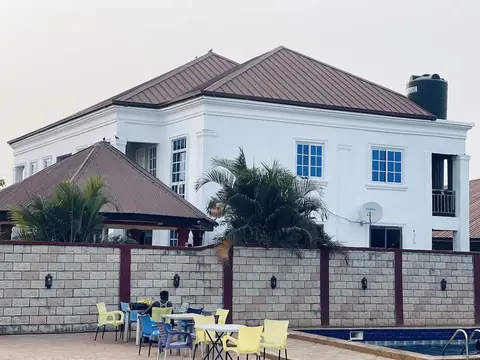
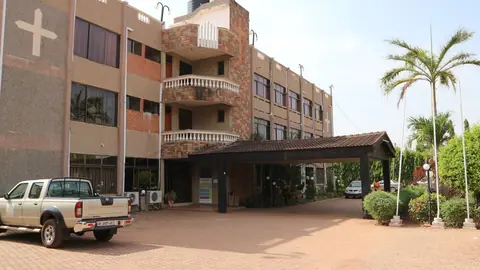
4 stays with a guest score or a four- or five-star rating in the IMPT database, five-star first, then four-star, then the rest by the booking supplier's guest score. Prices and availability are live in the IMPT app.
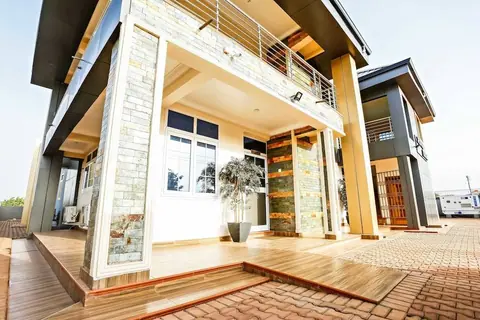
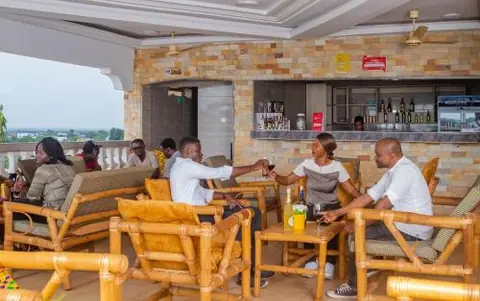
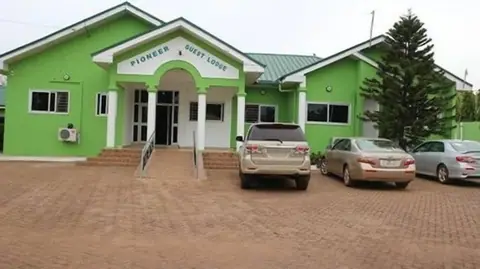
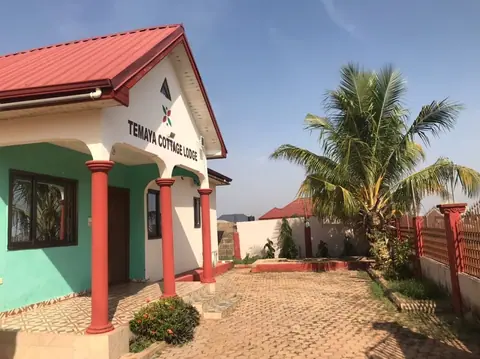
★★★ 3-star★★★ 3-star★★ 2-star★★ 2-starMore places to stay
Further listings in the IMPT database with fewer details from the booking supplier (no guest score yet). Check them on the property's page before you book.

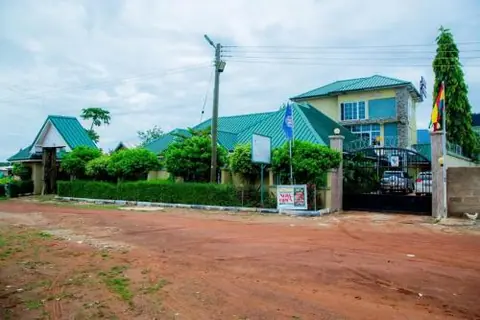
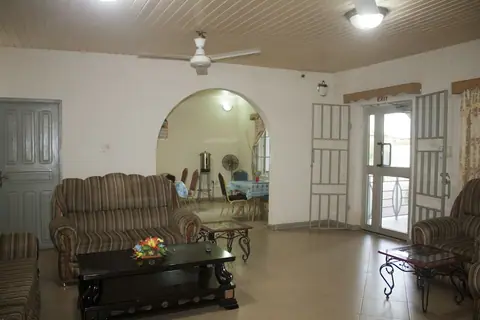
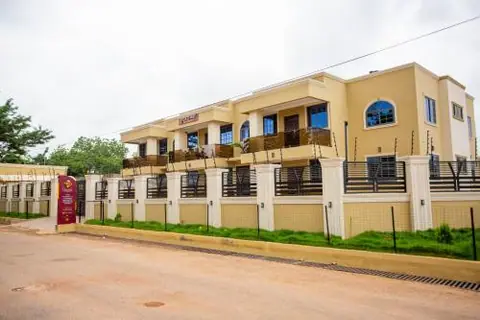
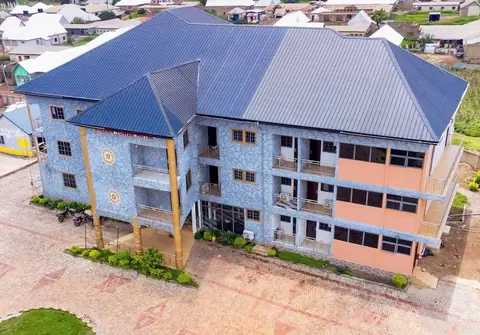
the Northern Region of Ghana: questions
Where do most hotels in the Northern Region sit?
Tamale, the regional capital, holds the great majority, from small guesthouses to larger places with pools and conference rooms. The city has the airport, the coach terminals and the restaurants, which makes it the practical base. Yendi, Savelugu and the smaller towns have a few simple places, and it is wise to confirm a room before travelling.
How do you get to the Northern Region?
Tamale Airport (TML) handles domestic flights from Accra, and schedules change, so confirm with the operator. Long-distance air-conditioned coaches run from Accra and Kumasi to Tamale. Land routes enter the region from the south and east. Whichever you choose, plan to arrive in daylight, since advice is against travelling outside towns after dark.
When is the best time to visit the Northern Region?
The dry months from about November to March are the easiest, with passable roads and clear light. The harmattan blows in that window, strongest in the north, so expect dust haze, dry air and cool nights. Rains run from about April to mid-October and peak around August and September, when the savannah is green but the tracks are muddy.
What is there to see in the Northern Region?
Tamale itself, for the central market, the mosques and the food. Yendi, east of the city, holds the Gbewaa Palace and the court of the Ya-Na. The region's savannah, farming villages and weekly markets fill the days, and smocks, shea butter and leatherwork make good purchases. Parks and reserves beyond the regional boundary are reachable on longer trips.
Do hotels in the Northern Region have air conditioning?
Some do, especially the larger places in Tamale, but many smaller guesthouses rely on fans and a stored water tank. Ask directly about air conditioning, a standby generator and whether water is mains-fed or stored. Nights in the harmattan can be cool, so a fan is often enough between December and February. Confirm before booking rather than on arrival.
Are there hotels near Tamale Airport in the Northern Region?
Tamale Airport sits outside the city centre, and several hotels in the Northern Region are within a short drive of it. That suits an early flight or a late arrival. Staying in the centre instead puts the market, eating houses and transport within walking distance. Ask about airport transfers and confirm the arrangement in advance, since not every place offers one.
How far ahead should you book hotels in the Northern Region?
Book ahead around Eid al-Fitr, Eid al-Adha and Damba, when family visits and celebrations fill rooms in Tamale and the towns. Public holidays and long weekends also tighten supply. At quieter times there is usually room to choose on arrival, but a confirmed booking saves a search after a long journey north. Check the cancellation terms when you book.
What should you check before booking a hotel in the Northern Region?
Check whether the room has air conditioning or a fan, whether there is a standby generator and how water is supplied. Ask if breakfast is included and whether airport transfers are offered. Confirm the location relative to the market or the airport, and read recent reviews. Around festivals, confirm the booking in writing before you travel.
Read next
Hotels in the Upper East RegionThe Upper East is Ghana's dry, far-northern corner, centred on Bolgatanga and the road to the Burkina Faso border. This guide covers the region's towns, how to reach them and how to choose a place to stay.Hotels in Upper West RegionUpper West is one of Ghana's quieter corners: dry savannah, small towns and Wa as its capital. This guide covers how to reach the region, when to travel and how to choose a hotel.Hotels in Bono East RegionBono East sits in the middle of Ghana, a farming region of yam markets, river crossings and quiet roads. Techiman is the capital and the practical base for most stays.
IMPT Ghana editorial team · Reviewed 13 November 2026. Hotels are placed by their own map pin inside Ghana's official district boundaries (Ghana Statistical Service). Facts checked against the Ghana Tourism Authority (visitghana.com), the Ghana Immigration Service and other official sources listed in our editorial policy. Prices are never shown: live rates open in the IMPT app.
Find a stay in Northern Region
Photo credits: khanhhoangminh / Pexels.