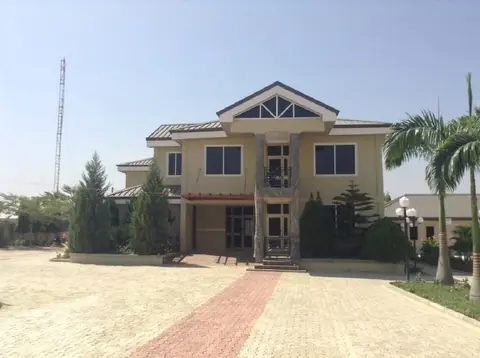
 ★★ 2-star
Region · capital Bolgatanga
Hotels in the Upper East Region
The Upper East is Ghana's dry, far-northern corner, centred on Bolgatanga and the road to the Burkina Faso border. This guide covers the region's towns, how to reach them and how to choose a place to stay.
IMPT Ghana editorial team · Reviewed 13 November 2026
At a glance
- Region
- Upper East, northern Ghana
- Capital
- Bolgatanga, the regional capital
- Nearest airport
- Tamale Airport, 136.9 km straight-line
- Rainy season
- One season, peaking August to September
The character of the Upper East
The Upper East occupies Ghana's far north-eastern corner, a flat savannah of shea trees, dry-season grass and very wide skies. Bolgatanga, the regional capital, is the biggest town and the transport hub for the districts around it. Beyond the centre, settlement thins into villages of compound houses and family farms. This is the hottest, driest corner of the country for much of the year, and the harmattan wind is felt more sharply here than further south. English is the official language; Kasem and other Ghanaian languages carry daily conversation.
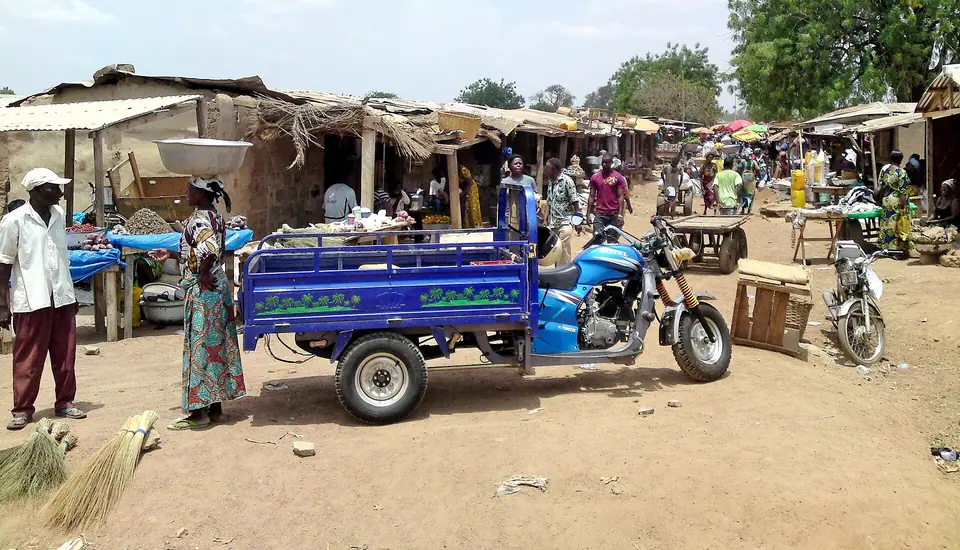
Farming sets the rhythm. Millet and sorghum are the northern staples, grown through a single rainy season, and maize, yam and beans fill the markets alongside them. Bolgatanga is known for woven straw baskets and fans, sold in the town and exported in quantity; you will see them stacked along the main roads. Market days in the smaller towns are the busiest moments of the week and a good reason to slow down. Outside those days the region is quiet, and the pleasure of a stay here is space, dry air and long views rather than a list of attractions.
Towns and what to see
Bolgatanga is where most visits begin. It has a large market, banks, fuel stations and the region's main transport connections, and the centre is compact enough to walk. Craft workshops and basket sellers are the usual first stop. Navrongo, west of the capital, is a quieter university town with a strong Kassena and Nankani identity, and Paga, on the Burkina Faso border, is the crossing most travellers use. Paga also has the sacred crocodile ponds and, at Paga Nania, the Pikworo Slave Camp.
Bawku, in the east, is the other significant town, but the UK Foreign, Commonwealth and Development Office advises against all but essential travel to the Bawku Municipal area. Check that advice, and your own government's, before planning any route through it; the situation can change. South of Bolgatanga, Zebilla and Sandema serve farming districts and are quiet places to spend an afternoon. Bongo, north of the capital, has a market and a scatter of villages worth a half day. Road distances between these towns are longer than the map suggests.
Most travellers come for particular things: the sacred crocodile ponds at Paga, the history of the Pikworo Slave Camp, weaving and baskets in Bolgatanga, and the crossing into Burkina Faso. Others come for work, family or research and stay longer than a night or two. Wildlife is not the main draw in this corner of Ghana; the large savannah parks lie further west and south. What the Upper East offers is dry-country scenery, craft and everyday town life, with few visitors competing for either.
- Bolgatanga: the regional capital, with the widest choice of places to stay and the busiest market.
- Paga: the Burkina Faso border crossing, the sacred crocodile ponds and the Pikworo Slave Camp at Paga Nania.
- Navrongo: a university town west of the capital, quieter and useful for the western districts.
- Bongo and Zebilla: small district towns with weekly markets and a slower pace.
Getting there and around
The nearest airport is Tamale, 136.9 km from Bolgatanga in a straight line. Road distance is longer, so allow more time than the figure suggests. Domestic flights connect Tamale with Accra, and schedules change between seasons, so confirm times before booking. From Tamale, long-distance coaches and shared minibuses continue north to Bolgatanga on the main road. Coaches also run directly between Bolgatanga and Accra or Kumasi, which makes for a long day or an overnight journey. Yellow fever certificates are required on entry, whichever route you take.
Around the region, shared minibuses and taxis do most of the work, and fares are agreed before you set off or paid per seat. The main roads between towns are paved; minor roads can be rough, and the harmattan haze slows driving between December and March. The UK Foreign, Commonwealth and Development Office advises against road travel outside towns after dark, so plan day trips to finish before dusk. Hiring a car with a driver is the simplest way to combine Paga, Navrongo and Bongo in one day.
Tip: Allow more time than the map suggests. Straight-line distances in this region translate into slower road journeys, so plan one main stop a day and start early.
When to visit
The dry season runs from about November to March, and it is the easiest time to travel. Skies are hazy rather than clear for much of that window, because the harmattan, a dry and dusty desert wind, blows roughly December to March and is strongest in the north. Days are hot and nights can be surprisingly cool, so bring a layer for the evening. Dust gets into everything, including camera gear and airways, and people with breathing problems should take the season seriously.
The rains arrive around April and last to mid-October, with a single season that peaks around August and September. The country turns green, roads in the districts can soften, and afternoon downpours are common. Travel is still possible, but build slack into plans and expect slower journeys on unpaved roads. The weeks between the end of the rains and the start of the harmattan are often the most comfortable of the year. Festival and public holiday dates move, so check the year's gazetted calendar before you fix dates.
Tip: Pack for dust and for cool nights between December and March: a light scarf, a torch and a warm layer earn their place. Check the harmattan forecast if you have respiratory concerns.
Choosing where to stay
Bolgatanga has the widest range of places to stay in the region, from small hotels with air conditioning and generators to simple guesthouses with fans and shared facilities. Rooms near the centre put the market and the transport stations within walking distance; rooms on the edge of town are quieter and cooler at night. Book ahead in the dry season, at public holidays and whenever a large event is running, because demand in a town of this size is easily absorbed. No prices appear on this page; each listing opens live prices in the IMPT app.
Outside the capital, expect a thinner choice. Navrongo and Paga have guesthouses that suit an early border crossing or a night after a long drive, and the smaller district towns have basic rooms that are best arranged in advance. Ask about water storage, backup power, mosquito nets and whether the room has air conditioning, since standards vary. A room that looks close on the map may be a long walk from the station, so check the location before you commit.
Electricity is 230 V on British three-pin plugs, and many sockets in newer buildings are universal, so a converter is rarely needed. Power cuts happen, and the better places run a generator or an inverter; ask which. The currency is the Ghana cedi, and cards are accepted in some town hotels while cash is the safer option in the districts. Mobile data is widely available in Bolgatanga and patchier on the roads between towns, so download maps before you set out. Water comes from boreholes and storage tanks, and pressure can drop in the dry season.
- Ask whether breakfast is included and where you can eat in the evening within walking distance.
- Check that the room has a fan or air conditioning, and that backup power covers the night.
- Confirm the water supply, especially in the dry season when storage tanks matter.
- Find out how far the property is from the main road or station if you arrive late.
- Ask about mosquito nets and whether the windows are screened.
Where to stay
Hotels in Upper East Region
2 stays with a guest score or a four- or five-star rating in the IMPT database, five-star first, then four-star, then the rest by the booking supplier's guest score. Prices and availability are live in the IMPT app.
★★ 2-star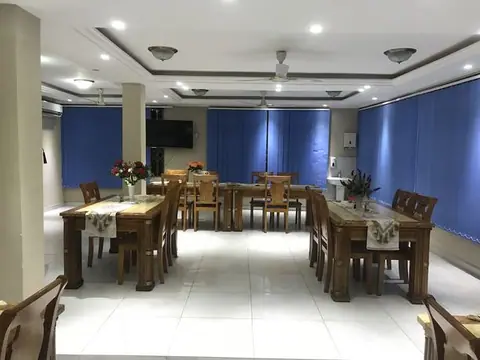 ★★★ 3-star
More places to stay
Further listings in the IMPT database with fewer details from the booking supplier (no guest score yet). Check them on the property's page before you book.
the Upper East Region: questions
Where are hotels in the Upper East Region usually based?
Bolgatanga, the regional capital, has the widest choice and the best transport links, so it suits most trips. Navrongo and Paga have smaller guesthouses useful for the western districts and the Burkina Faso border, and district towns such as Zebilla and Bongo have simple rooms. Check each listing's location against your plans before booking.
How do you reach hotels in the Upper East Region from Accra?
Most travellers fly to Tamale and continue north by road, or take a long-distance coach direct to Bolgatanga. Coaches also connect through Kumasi. Tamale Airport is 136.9 km from Bolgatanga in a straight line, and the road journey is longer, so allow a half day or more for the transfer and confirm schedules before you travel.
Which airport is closest to hotels in the Upper East Region?
Tamale Airport is the nearest, 136.9 km from Bolgatanga in a straight line, and it handles domestic flights from Accra. Schedules change between seasons, so confirm times and availability with the airport operator before booking. From Tamale, coaches and shared minibuses continue north on the main road to Bolgatanga.
When should you visit the Upper East Region?
The dry months from about November to March are the easiest for travel, though the harmattan brings dust and haze between roughly December and March. Rains run from about April to mid-October and peak around August and September, greening the country and softening district roads. Check the harmattan and rain forecasts close to your dates.
Do hotels in the Upper East Region need booking ahead?
In Bolgatanga, book ahead during the dry season, at public holidays and around large events, when rooms fill quickly. Outside the capital, guesthouses in Navrongo, Paga and the district towns are small, so a call or an online check a few days before arrival avoids a wasted afternoon. Confirm your booking and arrival time on the day.
Is the Upper East Region safe for travellers staying in hotels?
Most of the region is straightforward for visitors, with the usual city precautions in Bolgatanga. The UK Foreign, Commonwealth and Development Office advises against all but essential travel to the Bawku Municipal area, and that advice can change, so check it and your own government's guidance before planning routes. Ask where you stay about local conditions.
What should you check before booking a hotel in the Upper East Region?
Ask about air conditioning or fans, backup power, water storage, mosquito nets and evening meals. Confirm how far the property is from the main road or station, particularly if you arrive late. Standards vary between town and district, so read recent reviews and check the address against your plans, including any early border crossing at Paga.
Can you stay near the Burkina Faso border in the Upper East Region?
Paga, on the border, has guesthouses that suit an early crossing, and it is a short drive from Bolgatanga. The sacred crocodile ponds and the Pikworo Slave Camp at Paga Nania are close by. Check current visiting arrangements and border formalities, and allow time for the crossing itself.
Read next
Hotels in the Northern Region of GhanaTamale is the transport hub and the natural base for hotels in the Northern Region of Ghana. The rest of the region is savannah, farming towns and Dagbon royal history, best seen on day trips.Hotels in Upper West RegionUpper West is one of Ghana's quieter corners: dry savannah, small towns and Wa as its capital. This guide covers how to reach the region, when to travel and how to choose a hotel.Hotels in Bono East RegionBono East sits in the middle of Ghana, a farming region of yam markets, river crossings and quiet roads. Techiman is the capital and the practical base for most stays.
IMPT Ghana editorial team · Reviewed 13 November 2026. Hotels are placed by their own map pin inside Ghana's official district boundaries (Ghana Statistical Service). Facts checked against the Ghana Tourism Authority (visitghana.com), the Ghana Immigration Service and other official sources listed in our editorial policy. Prices are never shown: live rates open in the IMPT app.
Find a stay in Upper East Region
Photo credits: Marten van der Bent (on Flickr), CC BY-SA 2.0, via Wikimedia Commons.