When to visit Ghana: month by month
Ghana is hot all year. What changes is the rain, the dust and the crowds — and those depend on where you go.
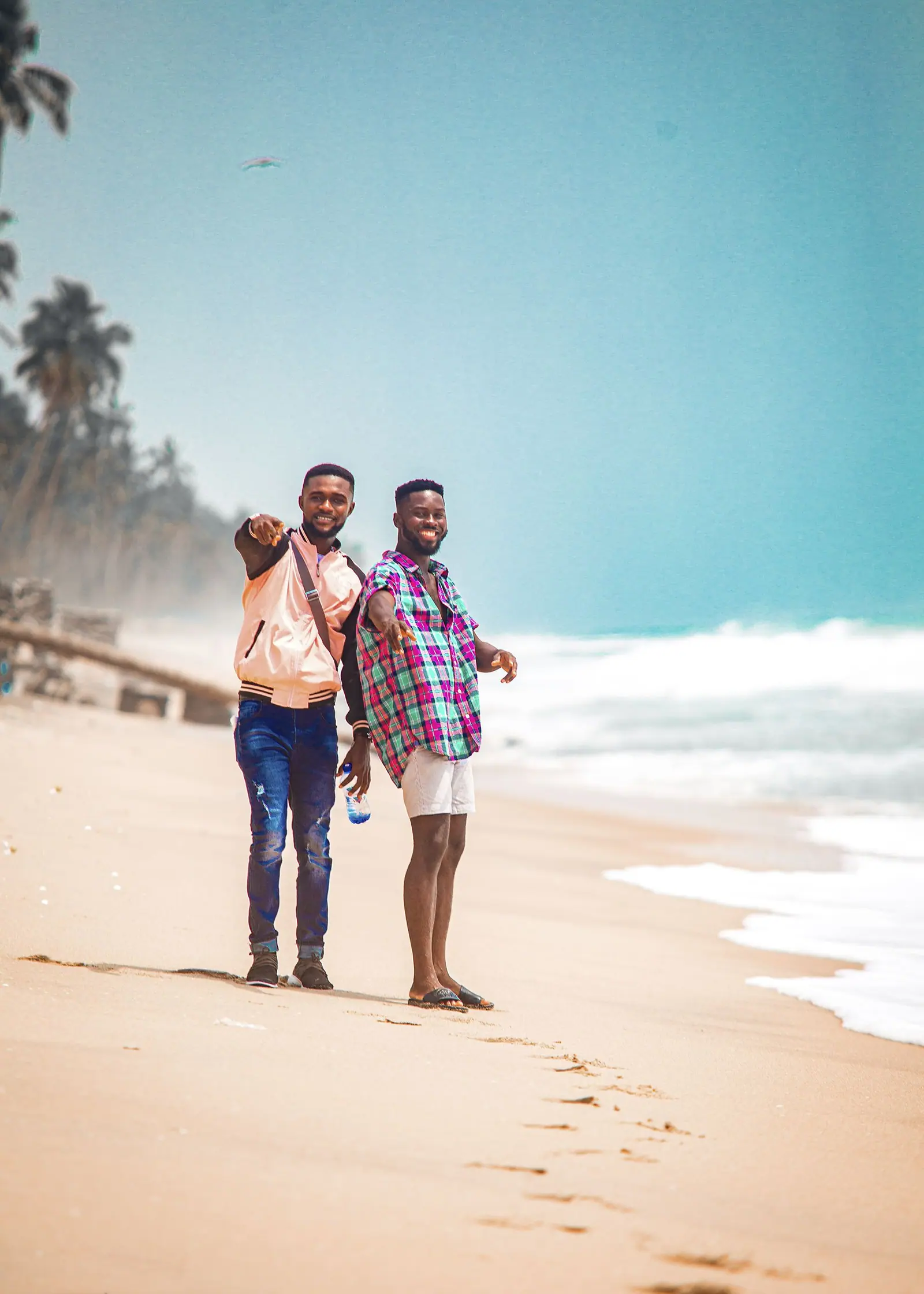
The best time to visit Ghana is November to March, the dry season, with the best beach weather and wildlife viewing at Mole. December to February brings the dusty harmattan wind. In the south the main rains fall from about April to June, with shorter rains in September–October; the north has a single wet season from about May to October. December is busiest; the rainy months are quieter.
Ghana’s seasons explained
Ghana sits just north of the equator, so temperatures barely change: around 26–32°C on the coast year round, hotter and drier inland in the north, where afternoons can pass 35°C before the rains. Instead of summer and winter, travellers plan around rain and harmattan.
Dry season: November to March
Clear roads, little rain and lively beaches. This is peak tourist season, with the added rush of the diaspora returning for Christmas. Wildlife gathers at the waterholes in Mole National Park as the bush dries out.
Harmattan: roughly December to February
A dry wind off the Sahara brings fine dust that turns the sky hazy, lowers humidity and cools the mornings. It can dull sunsets and photos and irritate eyes and throats, but it is otherwise pleasant — and strongest in the north.
Rainy seasons
The south has two: the main rains from about April to June, with June usually the wettest, and shorter rains in September and October. July and August are often a cooler, drier break on the coast. The north has one rainy season, from about May to October. Rain tends to come in heavy bursts rather than all-day drizzle, and forests and waterfalls are at their best.
Ghana month by month
| Month | Weather | Crowds/th> | Good for |
|---|---|---|---|
| January | Dry, harmattan haze | Busy early, then easing | Beaches, Mole |
| February | Dry, hot, hazy | Moderate | Touring, Mole |
| March | Hot, humid, first storms | Moderate · Independence Day 6 March | Coast, Kumasi |
| April | Rains begin | Quieter · Easter breaks | Volta waterfalls |
| May | Wet in south; rains start in north | Low | Budget trips |
| June | Wettest month in south | Quietest month/td> | Forests, quiet roads/td> |
| July | Cooler, cloudier, drier lull on coast | Low to moderate | Coast, Kumasi |
| August | Cool lull on coast; north wet | Moderate · festival weekends | Homowo, Chale Wote |
| September | Short rains begin | Moderate | Fetu Afahye, Cape Coast |
| October | Short rains, then drying | Quieter | Shoulder-season value |
| November | Dry season begins | Rising | All regions |
| December | Dry, harmattan arrives | Peak · book early | Festivities in Accra |
Best time by region
Accra and the coast
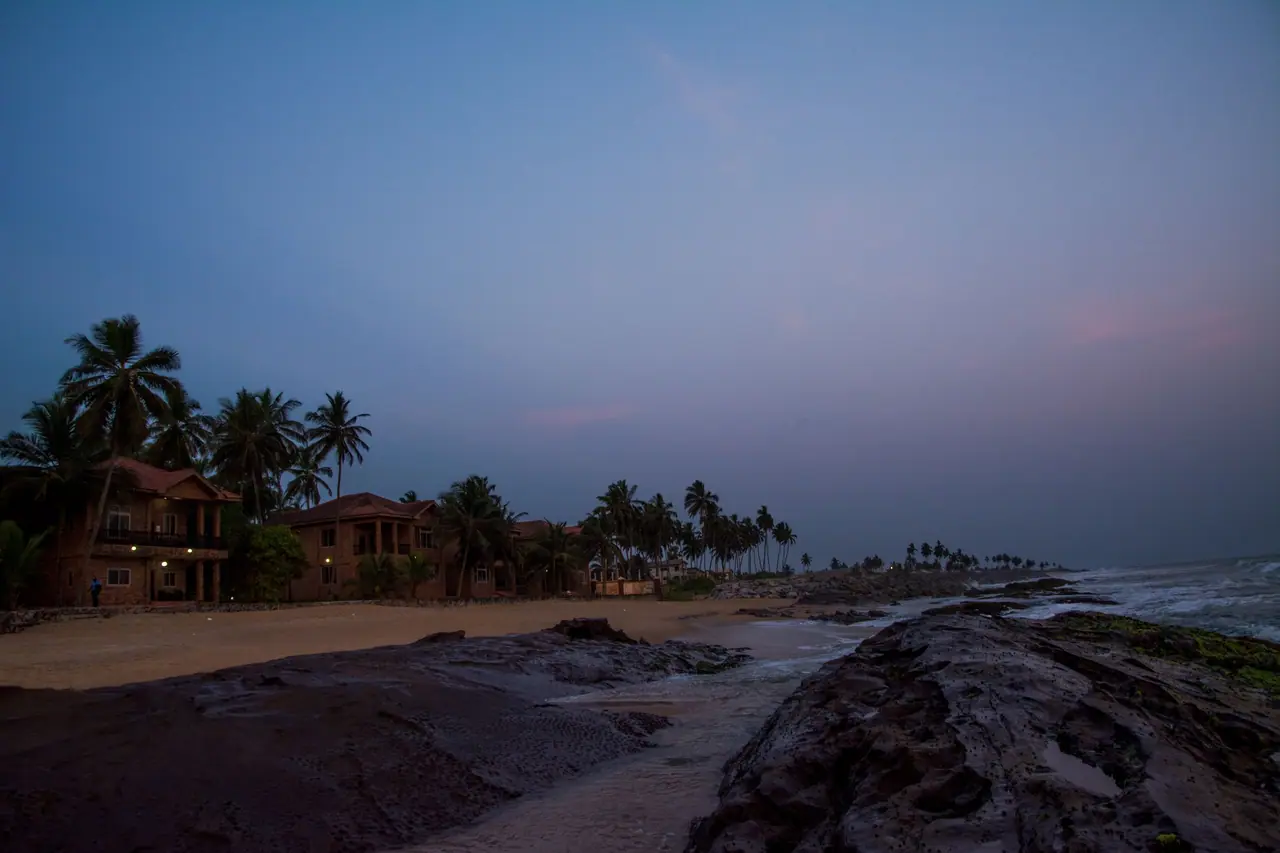
November to March for beach days and touring; July and August are a good second choice, with cooler temperatures and less rain than June. The sea can be rough all year, so swim at sheltered beaches.
Kakum and the forest belt
Kakum and the Ashanti forests are lush after the rains. The dry season makes paths easier; the wet months make the forest greener and the birdlife louder. The canopy walkway can close briefly during storms.
Kumasi
Kumasi is slightly cooler and wetter than the coast. Akwasidae, the Asante festival held every six weeks at Manhyia Palace, is worth planning around whatever the season.
Volta Region
Wli Falls is most impressive during and just after the rains (roughly June to October), when the water is high; hiking is easier in the dry season.
Mole and the north
Go from December to April for the best elephant sightings, when animals gather at the waterholes near the lodge. Roads in the north can be difficult in the wettest months.
Festivals worth timing a trip around
- Independence Day (6 March): parades and celebrations, especially in Accra.
- Akwasidae (every six weeks): the Asantehene receives chiefs in full regalia at Manhyia Palace, Kumasi.
- Homowo (August–September): the Ga harvest festival in Accra, “hooting at hunger”, with processions and kpokpoi.
- Chale Wote (August): a street-art and performance festival in Jamestown, Accra.
- Fetu Afahye (early September): Cape Coast’s grand durbar of chiefs and colourful procession.
- Panafest (biennial): diaspora events at Cape Coast and Elmina.
- December: concerts, parties and homecomings across Accra.
Dates follow local and traditional calendars and can move from year to year — confirm before booking.
Who should go when
- First-timers: November to February for easy roads and dry weather.
- Beach lovers: November to March, or July–August for cooler days.
- Wildlife fans: December to April for Mole.
- Budget travellers: May, June and October, the quietest months; compare live prices in the IMPT app.
- Culture and festivals: August–September for Homowo, Chale Wote and Fetu Afahye; December for the festive season.
- Photographers: avoid peak harmattan haze; October–November and March bring clearer skies.
Whatever the month, take malaria precautions and carry your yellow fever certificate — and pack a light rain jacket between April and October.
Temperatures and rainfall at a glance
| Season | Months | Coast temperature | Rain |
|---|---|---|---|
| Dry season | Nov–Mar | ≈ 27–32°C | Little |
| Main rains (south) | Apr–Jun | ≈ 26–30°C | Heavy, frequent storms |
| Coastal lull | Jul–Aug | ≈ 24–28°C | Light, often cloudy |
| Short rains (south) | Sep–Oct | ≈ 25–29°C | Moderate |
| Northern wet season | May–Oct | ≈ 25–32°C inland | Heavy in Jul–Sep |
Travelling in the rainy season
Rainy-season travel in Ghana is very doable and often rewarding. Storms usually arrive in the afternoon or overnight and clear within an hour or two, leaving fresh air and green landscapes. Waterfalls in the Volta and Eastern regions are at their most dramatic, and you will share sights with fewer visitors.
- Plan outdoor sightseeing for the morning and keep afternoons flexible.
- Allow extra time on roads, especially in the north and on unpaved routes to lodges.
- Pack quick-drying clothes, a light rain jacket and a dry bag for electronics.
- Ask hotels about seasonal discounts, which are common from May to June.
- Keep up malaria precautions — mosquitoes are more active in the wet months.
December in Ghana: is it worth it?
December is Ghana’s busiest month. Flights from Europe and North America fill with visitors and returning diaspora, and Accra hosts a packed calendar of concerts, parties and cultural events often marketed as “Detty December”. The atmosphere is joyful, and the most popular hotels fill up months ahead. If you want the energy, book flights and accommodation by the summer and expect heavy traffic in Accra. If you prefer calm, visit in November or late January instead — the weather is just as good.
Our verdict
For most people, the sweet spot is November or late January to February. The dry season is established, roads are easy, beaches are at their best and Mole is starting to deliver good sightings, without the December crowds. If your dates are fixed in the rainy season, go anyway: you will see a greener Ghana, find quieter hotels and still have plenty of dry hours for sightseeing.
If festivals are your priority, aim for August and early September, when Homowo, Chale Wote and Fetu Afahye fall within a few weeks of each other on the coast. And if you are visiting family or want to be part of the city’s biggest celebrations, December is unforgettable — just plan it early.
Whenever you go, build your trip around the mornings, when temperatures are lowest and light is best for photographs, and use the hottest hours for lunch, a swim or a rest.
Choosing a shoulder month
The weeks either side of the main dry season often suit travellers who want flexibility more than guaranteed sunshine. Late November still brings showers in the south, and the hills stay green. February and early March are hot, and the harmattan can still be hanging in the north. A shoulder month rarely delivers perfect conditions everywhere, so decide what matters most: dry walking in Mole, clear light along the coast, or a particular festival. Build in a spare day for the weather to change.
Shoulder travel rewards a flexible route. Keep one indoor option for each stop: the West African Historical Museum at Cape Coast Castle, the Manhyia Palace Museum in Kumasi, or the Kwame Nkrumah Memorial Park in Accra. Rain in Ghana often arrives in heavy bursts rather than settled grey days, so a wet morning can turn into a usable afternoon. Watch the forecast with the Ghana Meteorological Agency, and treat any long-range outlook as a guide rather than a promise. Museums give you somewhere to wait out a downpour.
Rain, roads and the north
In the north, the single rainy season peaks around August and September, when tracks in Mole National Park and the roads around Damongo can turn heavy. The park covers 4,577 km² of Guinea savannah and is managed by the Wildlife Division of the Forestry Commission, so ask about current access before setting out. Travel in daylight where possible: the UK Foreign, Commonwealth and Development Office advises against road travel outside towns after dark. The reward is a green savannah at its most active.
On the coast, the two rainy seasons behave differently. The first, from about April to June, arrives as the heat builds. The second, from about September to November, is shorter. Neither usually means constant rain, but both matter for outdoor plans: the Kakum canopy walkway is exposed to the weather, and the seasonal Boti Falls in the Eastern Region needs rain to run well. Keep a dry-day alternative in reserve, and build slack into the plan rather than a tight schedule.
Frequently asked questions
What is the best month to visit Ghana?
November and February are often ideal: dry, busy but not at December levels, and good for both coast and north.
What is the rainy season in Ghana?
In the south, the main rains run from about April to June and the short rains around September–October. The north has one season, about May to October.
When is harmattan in Ghana?
Roughly December to February, strongest in the north, bringing dust, haze and cooler mornings.
When is Ghana quietest?
The rainy months, especially May, June and October, are usually the quietest. Compare live prices for your dates in the IMPT app.
Is August a good time to visit Ghana?
Yes for the coast and festivals such as Homowo and Chale Wote; it is a cooler, drier lull in the south, though the north is wet.
When is the best time to visit Ghana for dry, settled weather?
The dry months from about December to March are the most reliable, though the harmattan brings dust rather than clear skies. Rains run roughly March to mid-November in the south and April to mid-October in the north. The northern dry season is hotter and dustier than the coast. Check the current outlook before booking.
Does the best time to visit Ghana differ between the coast and the north?
Yes. The south has two rainy seasons, about April to June and September to November, so the coast dries out at different times from the north. The north has one rainy season, peaking around August and September. Coastal Accra is comparatively dry all year, while the south-west is hot and humid. Plan by region, not by country.
How does the harmattan shape the best time to visit Ghana?
The harmattan is a dry, dusty desert wind that blows roughly December to March, strongest in the north. It brings hazy light, cooler mornings and dust on lenses and in lungs. Many travellers still find it comfortable, because humidity drops. Anyone with respiratory sensitivity should check conditions before heading north in January and February.
What is the best time to visit Ghana for festivals?
Festivals cluster across the year, so the calendar matters as much as the weather. Aboakyer falls in May, Homowo in August and September, Fetu Afahye in September and Hogbetsotso in November. Chale Wote is an August event in Accra, and Akwasidae falls on a Sunday every six weeks. Dates move, so confirm each year with the Ghana Tourism Authority.
Is the best time to visit Ghana also the best time for wildlife watching?
For Mole National Park, the later dry season is often recommended, when vegetation thins and animals gather near water. That falls roughly in the first months of the year, though harmattan haze can dull the light. The park covers 4,577 km² of Guinea savannah. Ask the Wildlife Division of the Forestry Commission about current conditions.
Read next
Sources: Ghana Meteorological Agency (climate normals); Ghana Tourism Authority (festival calendar). Weather varies year to year.
Find a stay in Ghana
Photo credits: Wo Nfoni Media on Pexels; Demian Smit on Pexels.