Ghana in 10 days: the classic route
Capital, castles, rainforest and the Asante kingdom — a loop that shows Ghana’s coast and its heartland without rushing.
Ten days in Ghana: Accra (2 nights) → Cape Coast or Elmina (3 nights, with Kakum) → Kumasi (3 nights, with Bonwire and Lake Bosomtwe) → fly back to Accra (1 night). Use a private driver or coaches for the coast and Kumasi legs, and the one-hour domestic flight from Kumasi to Accra to save a long drive at the end.
The route at a glance
| Days | Base | Highlights | Nights |
|---|---|---|---|
| 1–2 | Accra | Jamestown, Nkrumah Park, Makola, Osu | 2 |
| 3–5 | Cape Coast / Elmina | Castles, Kakum, fishing harbour | 3 |
| 6–8 | Kumasi | Manhyia, Kejetia, Bonwire, Lake Bosomtwe | 3 |
| 9–10 | Accra | Arts Centre, beach, departure | 1 |
This loop works year round but is easiest in the dry season, November to March. The coast stretch is the heart of most first trips; Kumasi adds the culture and craft of the Asante. If you would rather finish on a beach, see the alternatives below.
Day by day
Day 1: arrive in Accra
Most long-haul flights land at Accra International Airport (ACC) in the afternoon or evening. Check in to a hotel in Osu or Airport Residential, change money or set up mobile money, and eat at a local spot: jollof with grilled chicken, or kelewele from a roadside stall. Keep the first evening easy — the heat and traffic take a day to get used to.
Day 2: Accra’s history and markets
Start at the Kwame Nkrumah Memorial Park, then walk to Independence Arch and Black Star Square. Head into Jamestown with a local guide for the lighthouse, the old forts, boxing gyms and the fishing beach. After lunch, browse Makola Market (go with someone who knows it) and finish with dinner and live music in Osu.
Day 3: Accra to Cape Coast
Leave early to beat the traffic heading west — the drive takes about three hours. Stop at Anomabo for its fort or a beach lunch. In the afternoon, take the guided tour of Cape Coast Castle; it is a heavy experience and many people prefer a quiet evening afterwards. Stay in town or on the beach strip (see our Cape Coast area guide).
Day 4: Kakum rainforest
Be at Kakum National Park at opening time for the canopy walkway, seven bridges high in the trees. On the way back, stop at Hans Cottage to see the crocodile pond. Spend the afternoon at the beach or at Fort William lighthouse for views over town.
Day 5: Elmina
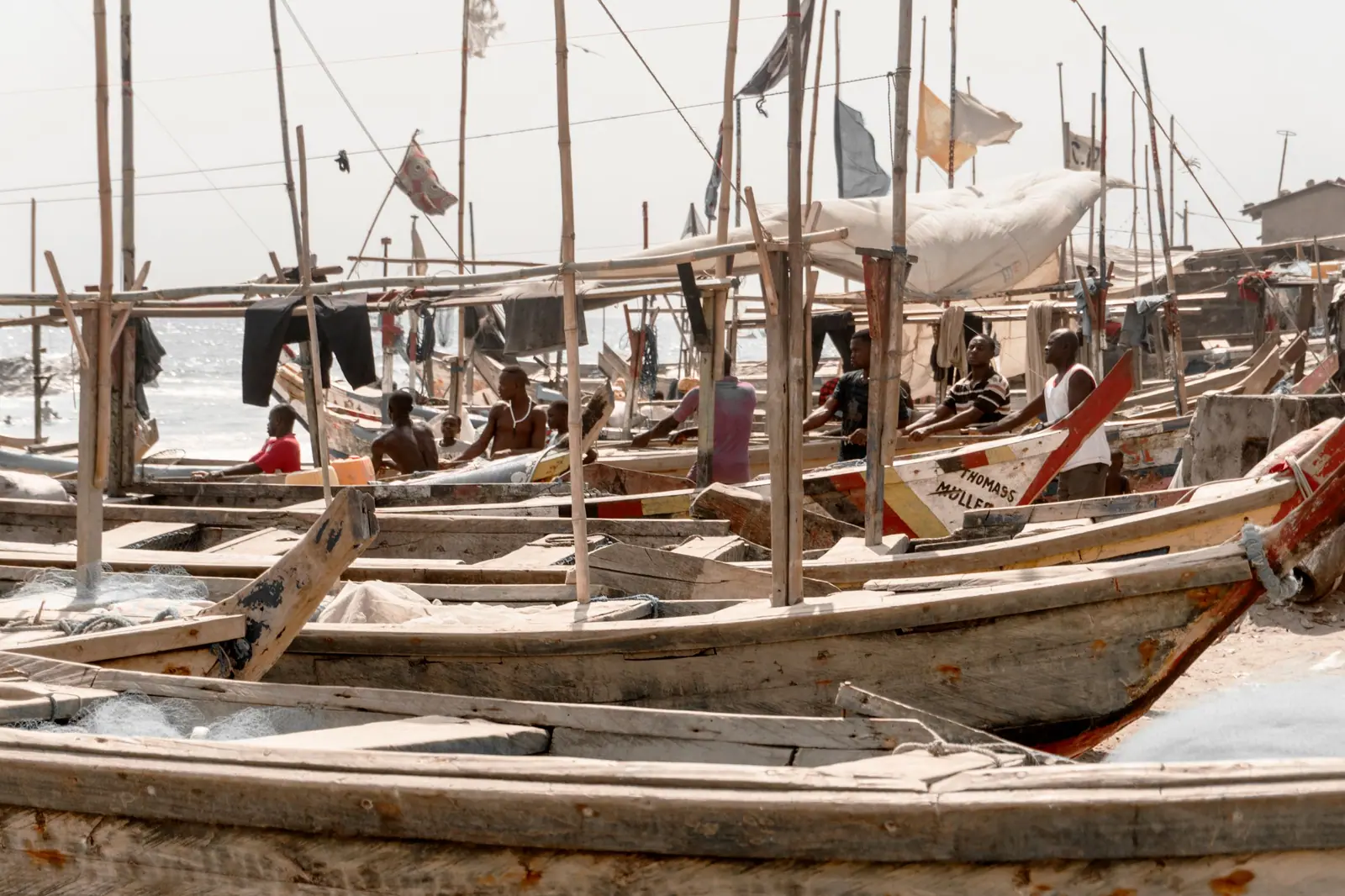
Fifteen minutes west, tour Elmina Castle, built by the Portuguese in 1482, then cross to Fort St Jago for the view over the harbour, packed with painted canoes. Walk through the fish market and the Asafo shrines of the old town. Have a seafood dinner by the sea.
Day 6: Cape Coast to Kumasi
The road north to Kumasi takes around four hours through forest, cocoa farms and roadside towns selling fruit. Arrive in time for an evening walk; base yourself near Adum in the centre or in quieter Ahodwo.
Day 7: Asante Kumasi
Visit the Manhyia Palace Museum, home of the Asantehene until 1995, to learn about the Golden Stool and the Asante kingdom. Walk the vast Kejetia Market, then visit the Prempeh II Jubilee Museum and the National Cultural Centre. On some Sundays the Asantehene holds an Akwasidae festival at the palace — ask your hotel whether one falls during your stay.
Day 8: Craft villages
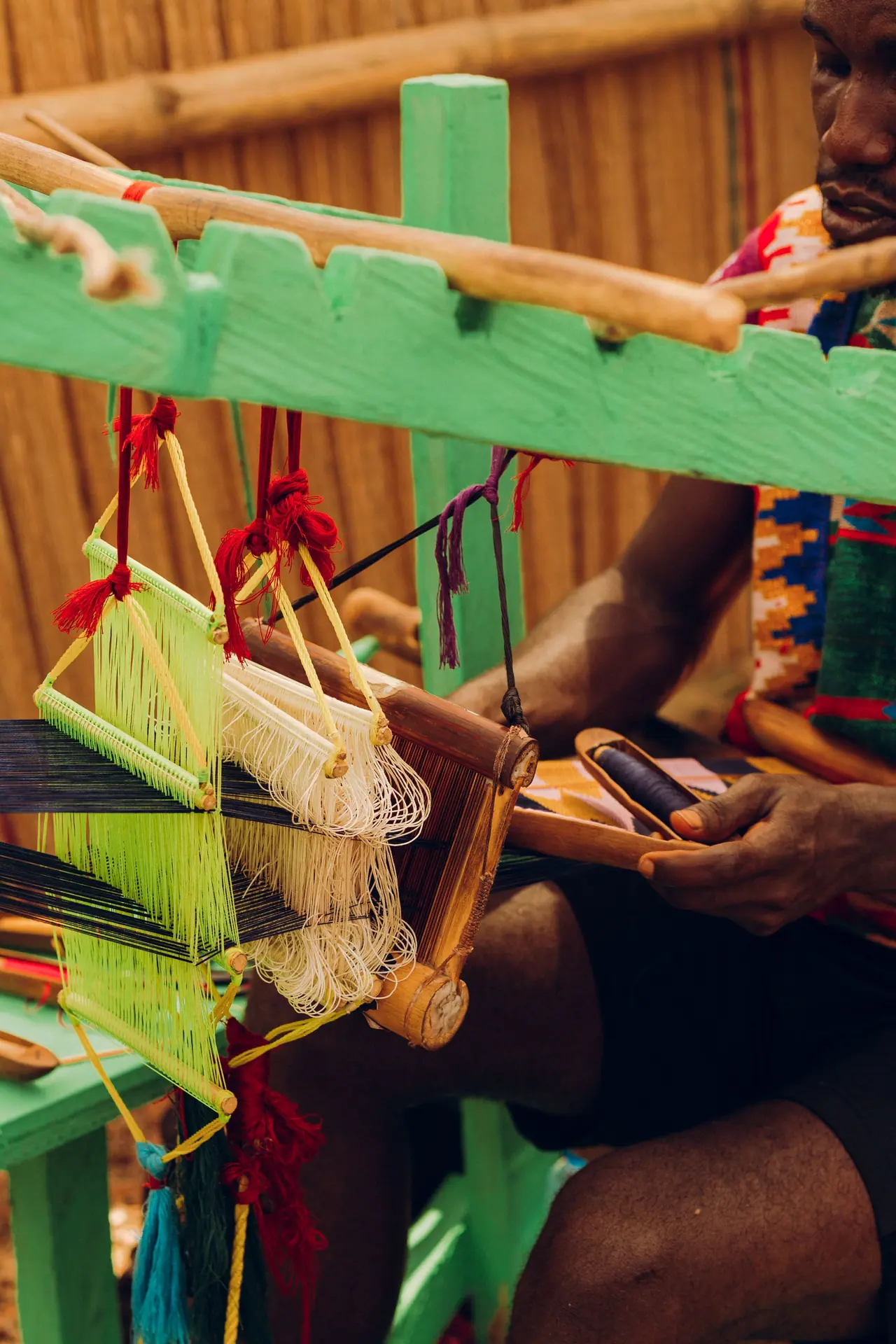
Spend the day north and east of the city: weavers at work on traditional looms in Bonwire (kente), the stamped cloth of Ntonso (Adinkra) and the carvers of Ahwiaa. Buying direct supports the families who make it. A driver for the day is the easiest way to link the three.
Day 9: Lake Bosomtwe and fly to Accra
Drive about an hour south-east to Lake Bosomtwe, a crater lake ringed by hills, for a swim, a walk or lunch at a lakeside lodge. Return to Kumasi for an evening flight to Accra (about an hour) — far easier than five or six hours on the road.
Day 10: last day in Accra
Shop for souvenirs at the Arts Centre (Centre for National Culture), relax at Labadi Beach or visit the W.E.B. Du Bois Centre, then head to the airport. Most evening departures to Europe leave late, so keep your hotel room or book a day room.
How to get around on this route
- Private driver: the most popular choice for this loop. A car with driver for the whole trip gives flexibility and saves time at castles and craft villages.
- Intercity coaches: VIP, STC and other operators link Accra, Cape Coast and Kumasi with air-conditioned buses. Book a day ahead in busy months.
- Domestic flights: Kumasi–Accra takes about an hour; book early for the best fares.
- Taxis and ride-hailing: ride-hailing apps work well in Accra and Kumasi; elsewhere use taxis and agree the fare.
Avoid driving after dark on intercity roads, where unlit vehicles and potholes are the main hazards.
Swaps and alternatives
Beach instead of Kumasi
Replace days 6–9 with three nights in Busua on the western coast for surf lessons, the forts at Dixcove and Butre and fresh lobster. Return to Accra via Takoradi’s domestic airport.
Volta Region instead
Swap Kumasi for Hohoe and Wli to hike to Wli Falls and Mount Afadjato and visit the Tafi Atome monkey sanctuary. The Volta can also be added as a three-night extension for a two-week trip.
Add the north
With four more days, fly to Tamale for Mole National Park safaris and the Larabanga mosque.
What a 10-day trip costs
Costs vary hugely by hotel level. As a rough guide, mid-range travellers should budget for a comfortable hotel each night, a driver or coach between bases, entry fees at the castles, Kakum and museums, and meals that range from inexpensive chop bars to pricier hotel restaurants in Accra. December is the busiest time; the rainy months are quieter. Compare live hotel prices with the search below.
Before you set off
- Visa and health: arrange your visa before travel if you need one, and carry your yellow fever certificate — it is checked on arrival.
- Book ahead in December: hotels in Accra and on the coast fill up, and drivers are in demand.
- Mobile data: buy a local SIM at the airport for maps, ride-hailing and mobile money.
- Pace: traffic leaving Accra and Kumasi can add an hour or more. Plan to arrive at each base by late afternoon.
- Rest days: the castles are emotionally heavy and the heat is constant. A slow afternoon at the beach on day 4 or 5 helps.
If you are travelling with children, the route works well with small changes: swap one market visit for a beach afternoon, and keep the Kakum walk for the cooler morning. Families often prefer a beach hotel between Cape Coast and Elmina, where there is a pool and space to unwind after sightseeing.
Where to stay on this route
In Accra, Osu or Airport Residential. On the coast, Cape Coast town for walkability or a beach hotel towards Elmina. In Kumasi, central Adum for markets or Ahodwo for quieter hotels with pools. On the last night, stay near the airport if your flight leaves early.
Finally, leave some slack. Ghanaian hospitality means you may be invited to a funeral celebration, a church service or a family lunch, and these unplanned moments are often the highlight of a trip. A loose plan with one spare afternoon in each base lets you say yes.
Pacing, Heat and Rest Days
Ten days looks generous on paper and feels tight on the ground. Most travellers do best with one base of two or three nights, then a move, then another base, rather than a new bed every morning. Heat is the variable that catches people out: the coast is humid, the north is dry and fierce, and the middle belt is milder. Start early, take the middle of the day slowly, and leave one unscheduled day in the second half for the stop that turns out to matter.
Water matters more than most packing lists suggest. Bottled and sachet water is sold widely in towns, and a refillable bottle with a filter is a reasonable alternative if you plan for it. Rehydration salts are worth carrying. Sun protection is needed even under cloud, and the harmattan months bring dust that irritates eyes and throats. Build in a slow afternoon after any long drive, and treat a rest day as part of the itinerary rather than a gap in it.
Holidays That Reshape a Day
Public holidays affect offices, banks, some museums and opening hours, and since 2025 the calendar has shifted. Holidays falling Tuesday to Thursday move to the Friday, and weekend holidays move to the following Monday, with the two Eids, Shaqq Day, Christmas and Boxing Day excepted. Republic Day returned on 1 July in 2025, and 4 August is no longer a holiday. Always check the year's gazetted dates before you build a day around a museum or a government office.
A shifted holiday creates a long weekend, and long weekends fill coastal roads, beaches and the castles at Cape Coast and Elmina, which draw their largest crowds then. If a quiet visit matters, check the gazetted calendar and put castle days on ordinary weekdays. The same applies to markets, busiest around holidays and calmest early in the morning. Domestic flights and intercity coaches fill up around long weekends, so reserve seats once dates are fixed and reconfirm shortly before travelling.
Frequently asked questions
Is 10 days enough for Ghana?
Ten days covers Accra, the Cape Coast–Elmina coast with Kakum and Kumasi comfortably. Add three or four days for the Volta Region or Mole.
Should I self-drive in Ghana?
It is possible, but most visitors hire a car with driver. Traffic in Accra and night driving are the main challenges.
What is the best order for a Ghana itinerary?
Accra, then west to Cape Coast and Elmina, north to Kumasi, and a flight back to Accra — this avoids repeating roads.
Can I do Ghana on public transport?
Yes. Coaches link the main cities and trotros cover the rest, though journeys take longer.
When is the best time to plan a 10 day itinerary in Ghana?
The dry months draw most visitors, but the country works year-round. Rains arrive roughly March to mid-November in the south, with peaks about April to June and September to November, and April to mid-October in the north. The harmattan brings dusty, hazy air from about December to March, strongest in the north. Check conditions before booking.
Can a 10 day itinerary in Ghana combine the coast with Mole National Park?
It can, but the two sit far apart and the road journey north is long. Domestic flights connect Accra with Kumasi, Tamale and Takoradi, and schedules change, so confirm before relying on one. Flying north and returning by road, or dropping a coast stop to protect the savannah days, keeps the plan realistic. Recheck travel advice first.
How much of a 10 day itinerary in Ghana should be based in Accra?
Accra rewards two or three days: the Kwame Nkrumah Memorial Park, Jamestown and its lighthouse, Makola Market, and the museums and galleries around the centre. Shai Hills Resource Reserve and Aburi Botanical Gardens make easy day trips from the city. Fewer than two days leaves little room for the capital's slower pleasures, such as an afternoon on the coast.
What entry paperwork does a 10 day itinerary in Ghana require?
The eVisa and ETA portal sorts nationalities into three routes: visa-free entry, an Electronic Travel Authorisation requested online before departure, or an eVisa, or a visa from a Ghana mission. A yellow fever vaccination certificate is required on entry. Visa on arrival is not a planning option. Use the portal's eligibility checker before booking flights.
Is a 10 day itinerary in Ghana a good first trip to West Africa?
It is a manageable introduction. English is the official language, the currency is the Ghana cedi, and the country runs on GMT all year. Roads and domestic flights link the main cities, and visitor sites are well established. Ten days is enough for either the coast or the north done properly, rather than both rushed. Check entry rules and regional advice before booking.
Which festivals can shape a 10 day itinerary in Ghana?
Homowo in the Greater Accra region falls in August and September, Fetu Afahye in Cape Coast in September, Aboakyer in Winneba in May and Hogbetsotso at Anloga in November. Akwasidae at Manhyia Palace in Kumasi falls on a Sunday every six weeks. PANAFEST is not held every year. Dates move, so confirm with the Ghana Tourism Authority before fixing a route.
Read next
Sources: Ghana Tourism Authority; Ghana Museums and Monuments Board; operators’ published schedules. Travel times are typical and depend on traffic.
Find a stay in Ghana
Photo credits: Seyiram Kweku on Pexels; Benjamin K Ashley-Lassen on Pexels.