 ★★ 2-star
Hotels · Greater Accra
Hotels in Ga East, Greater Accra
Ga East is a residential district of Greater Accra, north of the capital, where most hotels cluster around Haatso. This guide covers the neighbourhoods, the run to the airport, nearby sights and everyday food.
IMPT Ghana editorial team · Reviewed 13 November 2026
At a glance
- Region
- Greater Accra
- Main hotel area
- Haatso, north of Accra
- Airport
- About 10 km straight line
- City centre
- About 15 km straight line
What Ga East is like
Ga East is an official district of Greater Accra, sitting inland and north of Accra itself. It is largely residential: low-rise houses, schools, churches and mosques, quiet side streets and a steady commuter flow toward the city. For a visitor it works as a base rather than a destination, with calm evenings, easy parking and a short run south to the capital's museums, markets and coastline. Traffic on the main roads is heavy at the start and end of the working day.
Most of the district's hotels are grouped around Haatso, on the northern edge of Accra's built-up area. That puts you within reach of the airport and the city centre without the noise of the centre itself. Expect guesthouses and mid-range hotels rather than large resorts, many with a restaurant attached and staff who can arrange a driver for the day. Book ahead in December and around public holidays. Ask about a generator and a water tank, since both are common backup arrangements here.
Tip: Roads and junctions around Haatso change with the season, and diversions appear without warning. Ask where you are staying for the current route before you set out.
Towns and neighbourhoods
Haatso is the name most visitors learn first, because it holds the largest cluster of places to stay. It is a busy, built-up neighbourhood with a main road lined with shops, food stalls and small businesses, and quieter residential streets behind. Agbogba and Ashongman sit close by and share the same feel: local trade, family houses and quick access to the northern arterial roads that lead into Accra. Walking is possible on the side streets, though pavements are few and traffic is constant.
Further out, Dome and Kwabenya are larger and more spread out, each with its own market, transport rank and daily rhythm. Distances between these communities look short on a map but take longer on the road, so group errands into one trip and avoid the peak hours. Street names and junction names are used loosely in everyday directions, and a driver will often know a landmark better than a formal address. Ask for the nearest landmark when you give directions.
- Haatso: the main hotel cluster, with shops and food stalls along the main road.
- Agbogba: a residential neighbour of Haatso, close to the northern arterial routes into Accra.
- Dome: a large, busy community with its own market and shared-taxi connections.
- Kwabenya: further north and more spread out, with quieter streets and open ground between houses.
Getting around and to the airport
Accra International Airport, still widely called Kotoka, is about 10 km from Haatso in a straight line. The road journey is longer, and the difference between a quick run and a slow crawl is usually traffic rather than distance. Allow generous time for a flight, particularly in the morning and late afternoon. Taxis and ride-hailing apps both work; agree the fare or check the app estimate before setting off. Terminal 3 opened in 2018.
Trotros, the shared minibuses, run along the main roads and are frequent and inexpensive, though routes are not posted and drivers are not centrally licensed. For most visitors a taxi or a hired car with a driver is simpler. Independence Square in central Accra is roughly 15 km away in a straight line, and again the road distance is greater. The UK's Foreign, Commonwealth and Development Office advises against road travel outside towns after dark.
Tip: Timetables, fares and road conditions change. Confirm the current fare and route with your hotel or driver, and check airport timings with the airline before you travel.
Eating in and around the district
Food in Ga East is everyday Ghanaian cooking: fufu, banku and kenkey served with soup or stew, jollof rice, grilled tilapia, and tomato and pepper stews with rice or yam. Cassava and plantain dominate in the south, with maize, yam and beans alongside. Small kitchens along the main roads serve lunch to workers from late morning, and hotel restaurants cover breakfast and quieter evening meals. Kenkey comes in Ga and Fante versions, and both are worth trying.
The kinds of places you will find are chop bars, roadside grills, small bakeries selling bread and pastries, and simple dining rooms attached to guesthouses. Portions are generous and food is often cooked to order, so a short wait is normal. Vegetarian choices exist but are rarely labelled, so ask what goes into the stew. Menus are short wherever you go, which usually means the cooking is fresh. Bottled and sachet water is sold widely, and street food is best eaten where a stall is busy and the food is freshly cooked.
Nearby sights and practical notes
The sights most visitors pair with a Ga East stay are all south of the district. Makola Market, about 14.5 km away, lines Kojo Thompson Road in central Accra and is busiest in the morning. The Kwame Nkrumah Memorial Park, around 15 km away, holds the mausoleum of Nkrumah and his wife Fathia and reopened after redevelopment in 2023. Jamestown, roughly 16 km away, has a red-and-white lighthouse and a street art festival each August.
Distances here are straight-line figures, so treat them as a guide rather than a drive time. A half-day in the city is easy to arrange, and a full day allows the market, the memorial park and Jamestown in one loop. Ask your driver to drop you and collect you at agreed times, because parking in central Accra is limited. Head back before the evening peak if you want a short journey.
Practical notes: the harmattan, a dry dusty wind, blows roughly December to March, strongest in the north but hazy everywhere. Southern rains come around April to June and September to November. Electricity is 230 V with type G three-pin plugs. The currency is the Ghana cedi, and cards are not accepted everywhere, so carry some cash. A yellow fever certificate is required on entry. Since 2025, public holidays falling Tuesday to Thursday move to Friday, so check the year's gazetted dates.
- Makola Market, about 14.5 km away, lines Kojo Thompson Road in central Accra.
- Kwame Nkrumah Memorial Park, about 15 km away, holds the Nkrumah mausoleum and a museum.
- Jamestown, about 16 km away, has a lighthouse and a street art festival in August.
Where to stay
Hotels in Ga East
24 stays with a guest score or a four- or five-star rating in the IMPT database, five-star first, then four-star, then the rest by the booking supplier's guest score. Prices and availability are live in the IMPT app.
★★ 2-star ★★★ 3-star
 ★★ 2-star
 ★★★ 3-star
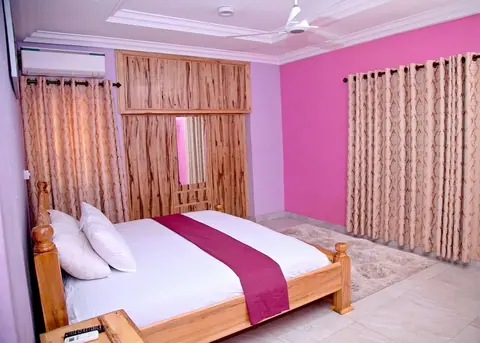 ★★★ 3-star
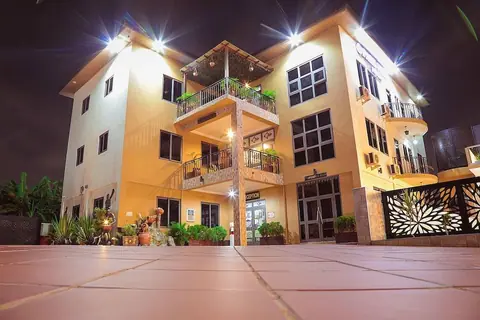 ★★★ 3-star
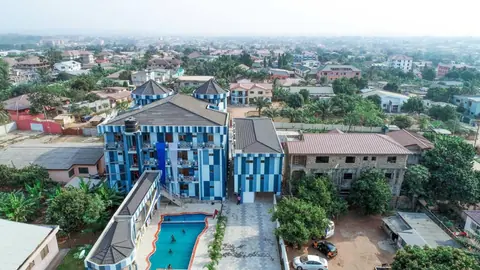 ★★★ 3-star
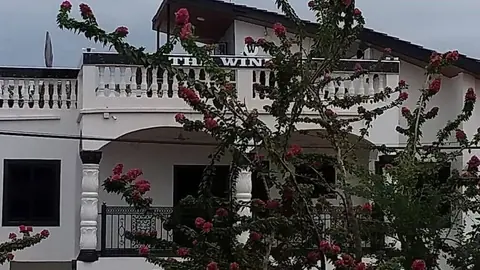 ★★★ 3-star
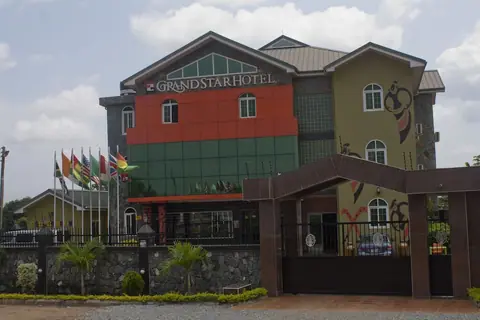 ★★★ 3-star
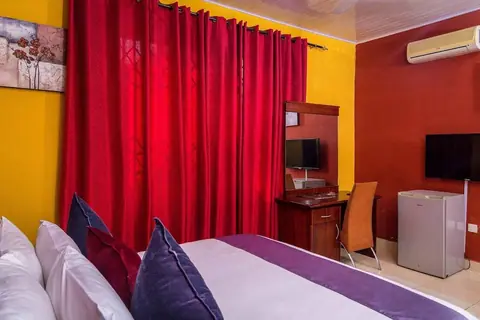 ★★★ 3-star
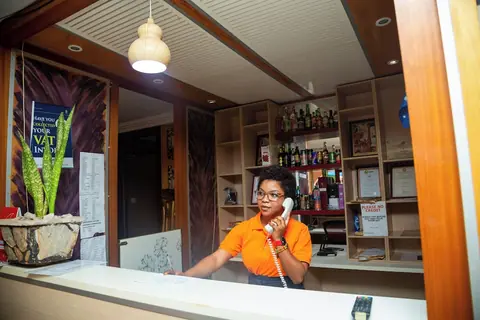 ★★★ 3-star
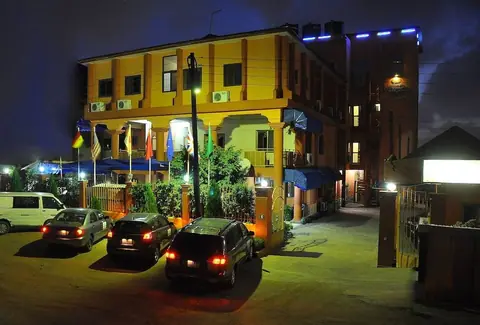 ★★★ 3-star
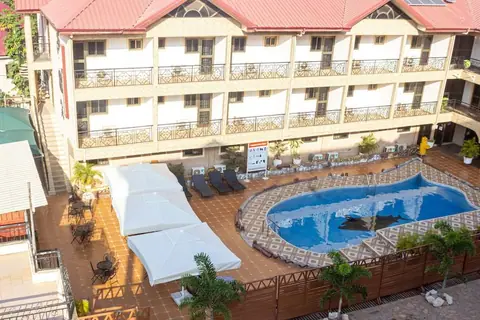 ★★★ 3-star
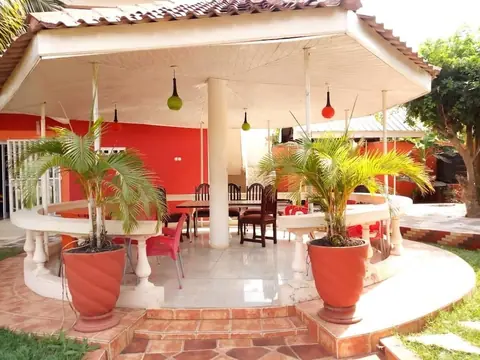 ★★★ 3-star
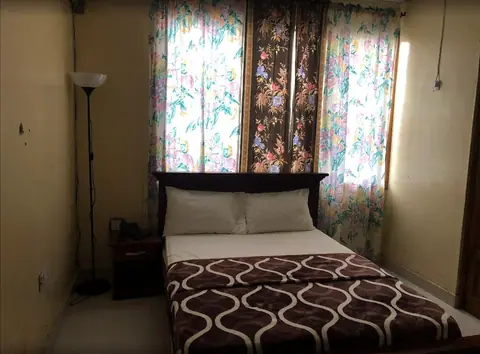 ★★★ 3-star
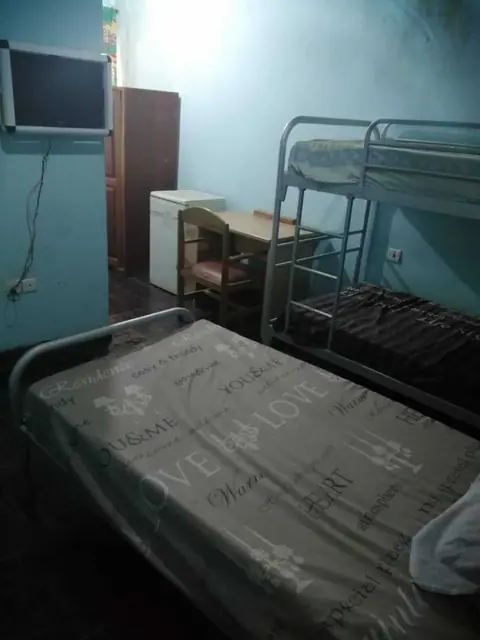 ★★★ 3-star
 ★★★ 3-star
 ★★ 2-star

Ga East, Greater Accra: questions
Where do most hotels in Ga East sit?
Most places to stay in Ga East are grouped around Haatso, on the northern edge of Accra's built-up area. That puts you close to the airport and the city centre by road, without the noise of central Accra. Smaller guesthouses are spread through Agbogba, Dome and Kwabenya.
How far is Ga East from Accra International Airport?
Haatso, the main hotel area in Ga East, is about 10 km from Accra International Airport in a straight line. The road journey is longer and depends heavily on traffic, so allow generous time for a flight. Early mornings and late afternoons are the slowest.
Who should stay in Ga East?
Ga East suits travellers who want a quieter base outside central Accra, and anyone with business in the northern parts of the city. It works less well if you plan to walk to museums and markets, since those lie south of the district. A car and driver, or taxis, make the stay much easier.
Do you need a car to get around Ga East?
Not strictly. Trotros run along the main roads, and taxis and ride-hailing apps are easy to find. But the district is spread out, pavements are limited and walking between neighbourhoods is rarely pleasant. Hiring a car with a driver for a day is the simplest way to cover several places.
What food can you eat in Ga East?
Expect everyday Ghanaian dishes: fufu, banku and kenkey with soup or stew, jollof rice, grilled tilapia, and tomato and pepper stews with rice or yam. Chop bars, roadside grills and small dining rooms do most of the cooking, and hotel restaurants cover breakfast. Portions are generous and food is often made to order.
What is there to see near Ga East?
The usual pairings are in central Accra: Makola Market, about 14.5 km away, the Kwame Nkrumah Memorial Park at roughly 15 km, and Jamestown at about 16 km. All three are straight-line distances. A half-day covers one or two comfortably; a full day allows all three with an early start.
When should you visit Ga East?
The drier months from about November to March are the easiest for travelling, though the harmattan brings dust from roughly December to March. Southern rains fall around April to June and September to November. Public holidays fill rooms, so book ahead and confirm current rates before you commit.
What should you check before booking a hotel in Ga East?
Ask about backup power and water, since both are common arrangements in the district, and about the state of the access road after heavy rain. Confirm whether breakfast is included and how far the nearest trotro route is. Airport pickups are worth asking about when you book.
Read next
Hotels in Ga North, Greater AccraGa North Municipal is a residential district of Greater Accra, inland from the coast, where most rooms cluster around Mile 7. It suits travellers with a car, a driver or a ride app, and anyone heading north.Where to stay in La-Nkwantanang-MadinaLa-Nkwantanang-Madina is a district of Greater Accra on the northern side of the capital, with most of its hotels around Amanfrokoo. It suits travellers who want quieter evenings, more space and easy road access to Accra's sights.Hotels in Okaikwei North, Greater AccraOkaikwei North is a residential district of Greater Accra, inland from the city centre, with most of its places to stay gathered around Tesano Estates. Here is what the district offers and how to plan a stay.
IMPT Ghana editorial team · Reviewed 13 November 2026. Hotels are placed by their own map pin inside Ghana's official district boundaries (Ghana Statistical Service). Facts checked against the Ghana Tourism Authority (visitghana.com), the Ghana Immigration Service and other official sources listed in our editorial policy. Prices are never shown: live rates open in the IMPT app.
Find a stay in Ga East
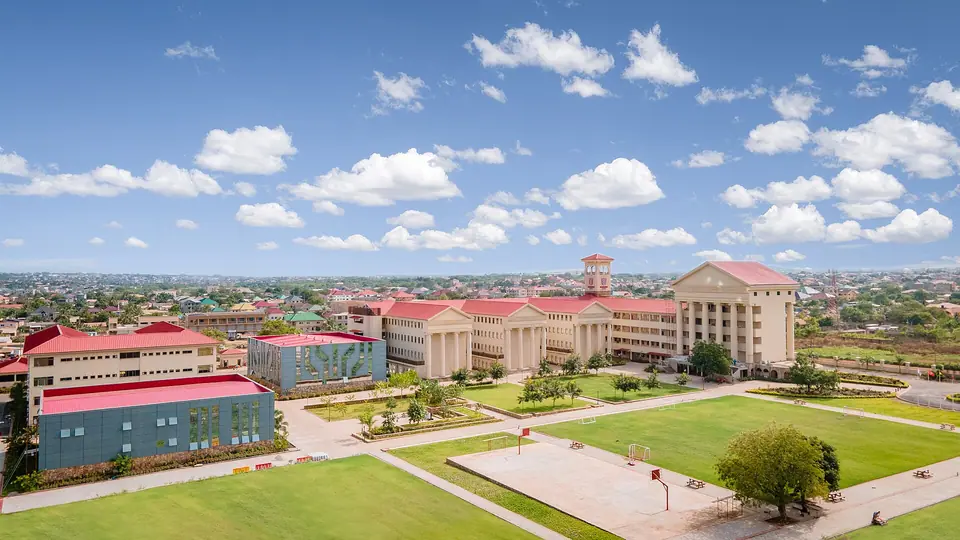
Photo credits: Academic City, Ghana, CC BY-SA 4.0, via Wikimedia Commons.