Busua: what it is like and who it suits
Busua is a fishing village turned beach base in Ghana's Western Region, about 25 km from Takoradi in a straight line. Here is what the place is like, what there is to do, and who it suits.
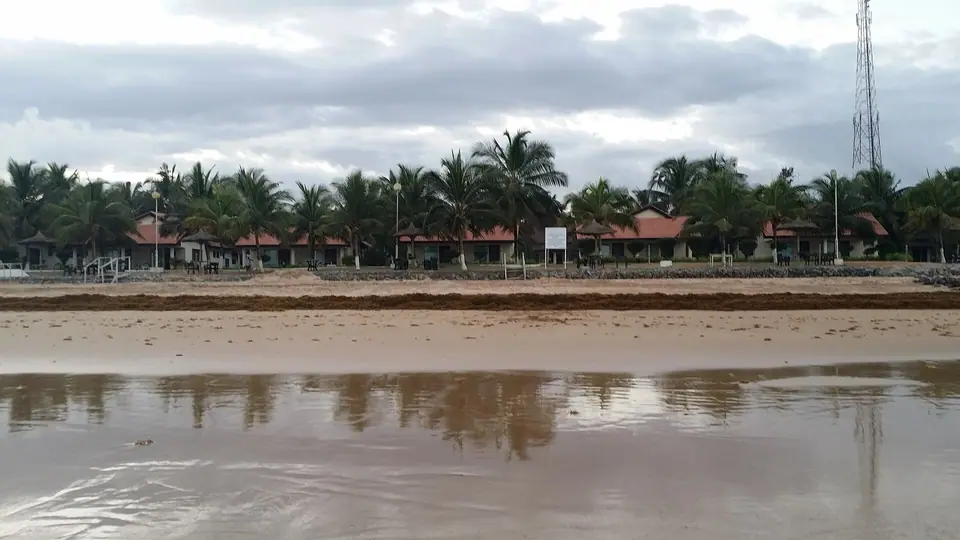
- Region
- Western Region, Ghana
- Nearest city
- Takoradi, about 25 km
- Airport
- Takoradi Airport, 20.8 km
- Known for
- surf lessons and beach days
Where Busua sits on the coast
Busua is a beach village on the Atlantic coast of Ghana's Western Region, a short run west of Takoradi. In a straight line, Takoradi Airport is about 21 km away and the centre of Takoradi about 25 km, though the road covers more ground than those figures suggest. The village sits where a stretch of sand meets the Gulf of Guinea, with fishing canoes drawn up above the waterline and low buildings set back among palms.
The wider coastline has been a trading coast since the fifteenth century, when European ships began calling for gold and ivory, and later for enslaved people. The fortified posts along this shore, several of them in the Western Region, form part of a UNESCO World Heritage site inscribed in 1979. Busua itself is a working fishing village rather than a monument, and the older buildings, the canoes and the routines of the landing beach do more for its character than any single sight.
What to see and do
The beach is the main sight and the reason most travellers come. It is a long curve of sand with room to walk in either direction and palms to sit under behind it. Surf lessons run from the beach and are the one organised activity in the village. Conditions change with the season and the day, so take advice from the instructors before you swim or paddle out, and keep an eye on children near the breakers.
Away from the sand, the pleasure of Busua is in walking: along the shore at low tide, through the lanes behind it, and up to the headlands at either end for the view back over the bay. The fortified posts of the Western Region make a half-day outing towards Takoradi and further west. The stilt village of Nzulezu, built over Lake Tadane near the Côte d'Ivoire border, lies much further west and needs a full day.
- Walk the beach in both directions at low tide, when the sand is firm underfoot.
- Take a surf lesson on the main beach and check conditions with the instructors first.
- Follow the lanes behind the sand to see the village away from the water.
- Spend half a day at the coastal forts of the Western Region, part of a UNESCO World Heritage site.
- Ask locally about boat trips and fishing outings, and agree the arrangement before you go.
Eating and evenings by the beach
Food in Busua follows the coast. Fish landed on the beach is grilled or fried and served with plantain, yam or rice, and the southern staples of cassava and maize arrive as banku, kenkey and fufu. Small kitchens and chop bars behind the sand serve simple plates through the day, while places facing the water cook to order in the evening. Jollof rice and tomato and pepper stews turn up on most menus.
Evenings are quiet. There is no nightlife strip in the village: people eat early, sit out under the palms and turn in with the sound of the surf. A few places set tables on the sand, and grilled fish with fried plantain is the usual order. If you want bars, clubs and food served late, Takoradi is the nearest place with that range of choice. Bring a torch for unlit paths and enough cash for your stay, since banking is easier in the city.
Tip: The middle of the day is hot and shade is limited. Eat early, rest in the afternoon and save your walking for the morning and the last two hours of light.
A day on foot in Busua
A day in Busua is shaped by the tide, the sun and the arrival of the boats rather than by opening hours. Start early, when the light is soft and the canoes come in. Walk east along the sand to the end of the bay, then cut back through the lanes to see the village waking up: water carried, nets mended, breakfast cooked over charcoal. Mid-morning suits a surf lesson, before the sun hardens. Lunch is a slow affair, and the early afternoon is best spent in shade with a book.
In the late afternoon, walk west along the beach as the tide drops, or follow the shore road to the next fishing landing for a different view of the coast. Sunset is the main event: the light goes orange over the water and the village settles for the evening. Dinner is fish and plantain, eaten early, then a short walk on the dark sand before bed. Plan around the tide and the light rather than a timetable.
Getting there and around
Most travellers reach Busua by road from Takoradi, which has the region's airport and the widest choice of transport. Shared minibuses and taxis run from the city and from nearby towns, and the final stretch is on a smaller road. The UK Foreign, Commonwealth and Development Office advises against road travel outside towns after dark, so aim to arrive in daylight. Road conditions and timetables change, so ask locally for the current route and times.
Inside the village you can walk everywhere: the beach, the lanes and the places to stay sit close together. For trips along the coast, pick up a shared taxi or minibus from the roadside and agree the arrangement before you set off. Surf instructors and boatmen work from the beach itself. Driving is possible, but the roads reward caution, and fuel, tyres and repairs are easier to sort out in Takoradi. The airport figure is a straight-line distance; by road it is longer.
Tip: Distances on this coast look short on a map but take longer by road. Leave slack on your arrival and departure days and travel in daylight.
Who it suits and where to base
Busua suits travellers who want a beach base with little to do beyond walking, swimming, surfing and eating fish, and who are happy to make their own amusement. It works for couples, for families with older children, and for anyone breaking a longer Ghana trip with a few quiet days. It is less good for people who want a choice of restaurants and bars every night, or who prefer a city hotel with everything on the doorstep.
As a base, Busua serves the western coast well. Takoradi is close enough for flights, banking and supplies, while the forts and beaches of the region sit within reach for day trips. Choose a place set back from the sand for quiet, or nearer the landing beach to watch the boats. Ask how far the room is from the water, what is included, and how the place handles power and water.
- Busua suits anyone content with a beach, a book and fish for dinner.
- Families with older children will find the sand and the lanes easy to manage on foot.
- Travellers who want late bars and a wide choice of restaurants should base themselves in Takoradi.
- A short stay works well as a pause between the castles of the Central Region and the far west.
Frequently asked questions
Where is Busua in Ghana?
Busua is a beach village in the Western Region of Ghana, on the Atlantic coast a short distance west of Takoradi. Takoradi Airport is about 21 km away in a straight line and the centre of Takoradi about 25 km, with the road running further than either figure.
How do you get to Busua from Takoradi?
Most people travel by road from Takoradi, using shared minibuses or taxis from the city and from nearby towns, then the final stretch on a smaller road. Aim to arrive in daylight, because the UK Foreign, Commonwealth and Development Office advises against road travel outside towns after dark. Check the current route locally before setting out.
Is Busua good for surfing?
Surf lessons run on the beach at Busua and are the one organised activity in the village. Conditions shift with the season and the day, so talk to the instructors before you paddle out and follow their advice on where to swim. A lesson is a better start than borrowing a board on your own.
Can you swim at Busua?
People swim at Busua, but the Atlantic is not a swimming pool: surf, currents and tide all change through the day. Ask the surf instructors and anyone working on the beach about conditions, stay within your depth and keep children close. If the water looks heavy, wait for another day.
What is there to do in Busua besides the beach?
Walking is the main pleasure: along the shore at low tide, through the lanes behind it, and to the headlands at either end for the view back over the bay. The coastal forts of the Western Region make a half-day outing, and the stilt village of Nzulezu, near the Côte d'Ivoire border, needs a full day.
What food can you eat in Busua?
Fish landed on the beach is the staple, grilled or fried with plantain, yam or rice. Banku, kenkey and fufu made from cassava and maize are common, as are jollof rice and tomato and pepper stews. Small kitchens and chop bars serve simple plates through the day, and places facing the water cook to order in the evening.
When is the best time to visit Busua?
The southern coast has two rainy seasons, roughly April to June and September to November, and the harmattan brings dry, dusty air from about December to March, strongest in the north. Busua is hot and humid for much of the year. Check the forecast and local advice before booking, since the pattern varies.
Who should stay somewhere other than Busua?
Anyone who wants bars, clubs and a wide choice of restaurants every night will be happier in Takoradi, about 25 km away in a straight line. Busua is quiet after dark, with few places open late, and the village is small. Travellers who need a city hotel with everything on the doorstep should treat Busua as a day trip.
Read next
IMPT Ghana editorial team · Reviewed 13 November 2026. Facts checked against the Ghana Tourism Authority (visitghana.com), the Ghana Immigration Service and other official sources listed in our editorial policy. Prices are never shown: live rates open in the IMPT app.
Find a stay in Ahanta West
Photo credits: Tom Lubbe, CC BY-SA 3.0, via Wikimedia Commons.