 ★★★ 3-star
Hotels · Upper West Region
Hotels in Wa, Upper West Region
Wa is the capital of the Upper West Region and the natural base for the far north-west. This guide covers the district's neighbourhoods, who each area suits, the journey from Tamale Airport, and where to eat.
IMPT Ghana editorial team · Reviewed 13 November 2026
At a glance
- Region
- Upper West Region, Ghana
- District
- Wa Municipal
- Hotel area
- Bamahu, on the edge of Wa
- Airport
- Tamale Airport, about 186 km
Wa Municipal at a glance
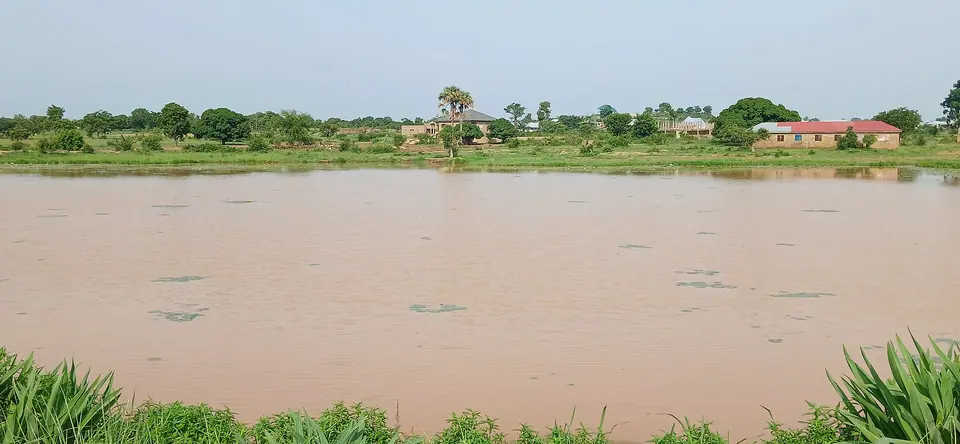
Wa Municipal is one of the districts of the Upper West Region, and Wa, its main town, is the regional capital. The district lies in the savannah belt of the far north-west, where the land is open, mostly flat and covered in low, scattered trees. Northern Ghana has a single rainy season, peaking around August and September. The rest of the year is dry, and the harmattan, a dusty desert wind, blows roughly from December to March. It is strongest in the north, so dust and haze are part of the dry season here.
Plan the day around the weather. Dry-season afternoons are hot, and harmattan haze can soften the horizon for weeks. The rains, from about April to mid-October in the north, arrive heavily and pass. Wa is the administrative centre of the region, so the town's rhythm follows government offices, schools and the markets that serve the surrounding farming districts. The countryside around the town is farmed for millet, sorghum and maize. Mornings are the best hours for errands, walking and the road, before the heat builds in the afternoon.
Tip: The harmattan is strongest in the north, so pack a scarf or dust mask for December to March and keep electronics in a bag.
Towns and neighbourhoods
Wa town is compact and easy to read. The centre holds the commercial streets, the regional administration and the small businesses that serve travellers, and it fills early with traders, motorbikes and pedestrians. Hotels are spread across the town and its edges rather than gathered in one quarter, so the address matters more than the name of a neighbourhood. Ask how far a place is from the centre, and from the road you arrived on, before you commit. A short drive can change the feel of a stay.
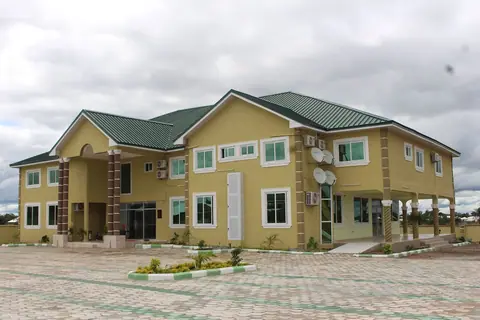
Most of the town's hotels are around Bamahu, on the outer edge of Wa. That suits visitors with their own vehicle or a driver, because Bamahu is quieter at night and parking is simpler than in the middle of town. The trade-off is that you will need a ride for dinner, for a meeting or for the market. If your days are built around offices in the centre, a town address may save time; if you want quiet nights, look at Bamahu.
- Wa town centre suits visitors whose days revolve around offices, meetings and the market.
- Bamahu suits travellers who want quiet nights, easy parking and a quick exit onto the road.
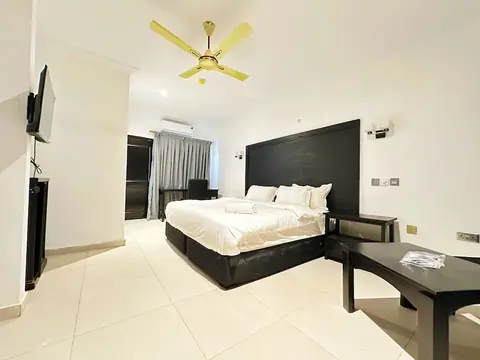
- Ask whether a room has air conditioning, a fan, a mosquito net and a backup power supply.
- Check the distance to the centre before booking, because a short drive changes the feel of a stay.
Who should stay here
Wa Municipal suits people who are working rather than holidaying. That includes staff of government agencies and non-governmental organisations, researchers, students, contractors and journalists travelling through the north-west. It also suits travellers moving between the Upper East and the Savannah Region who want a bed, a meal and a base for the next day's road. The town is a regional capital with a steady flow of visitors, so rooms are used to arriving late and leaving early. Rooms fill around regional events, so book ahead once a date is fixed.
It suits less well if the trip is meant to be a short break built around a beach, a castle or a park on the doorstep. The southern coast is a long drive away, and the northern parks lie well outside the district, so both need planning as separate legs. Anyone who needs a wide choice of restaurants, late bars or a busy evening scene will find the town quiet. Families and solo travellers are both catered for, but ask about rooms on the ground floor and about secure parking.
Getting there and around
The practical air gateway is Tamale Airport, about 186 km from Wa in a straight line. The road route is longer than that figure, so treat the distance as a measure of separation rather than a journey time. Domestic schedules change. In 2025 the busiest domestic airports were Kumasi, Tamale and Takoradi, and Wa recorded passenger traffic. Flying saves the long road journey, but it ties you to a timetable. Check the current schedule and confirm that a flight is operating before you build a connection around it.
By road, long-distance coaches connect Wa with the larger cities, and shared minibuses, known as trotros, cover shorter runs inside the town and out to the surrounding districts. The UK Foreign, Commonwealth and Development Office notes that trotro drivers are not centrally licensed and advises against road travel outside towns after dark. Hiring a vehicle with a driver for the day is the simplest way to reach villages, farms or meetings that shared transport does not serve.
- Fly into Tamale Airport and continue by road, allowing for a longer drive than the straight-line figure.
- Use long-distance coaches for intercity legs and trotros for short hops around town.
- Agree the destination and the fare before a shared taxi or trotro sets off.
- Plan the last leg into Wa for daylight, since travel outside towns after dark is best avoided.
Eating and the wider region
The north eats differently from the coast. Millet and sorghum are the staples here, with maize, yam and beans eaten nationwide; in the south the staples are cassava and plantain. Expect the dishes found across Ghana: fufu, banku, kenkey in its Ga and Fante versions, jollof rice, and soups and stews built on tomato and pepper. In Wa these appear in small kitchens, chop bars and hotel dining rooms, and the northern staples are the ones to seek out.
Where you eat depends on the hour. Small kitchens and chop bars cook through the day and often run out of the day's dishes by evening, while hotel restaurants keep longer hours and are the reliable choice after dark. Vegetarian choices are limited, so ask what a stew contains before ordering. If you need an early start, arrange breakfast the evening before. Drinking water is sold in sealed sachets and bottles, and a refillable bottle is worth carrying.
The district rewards travellers who treat it as a base rather than a destination. The wider north holds the large draws: Mole National Park, Ghana's first and largest protected area, and the Larabanga Mosque, both in the Savannah Region; and, towards the Burkina Faso border in the Upper East, the Paga crocodile ponds and the Pikworo Slave Camp at Paga Nania. Distances are long and roads change with the rains, so allow more time than a map suggests and check conditions and journey times locally before setting out.
Tip: Ask at your accommodation which kitchens are open in the evening and how to arrange a return ride before you set out.
Where to stay
Hotels in Wa
5 stays with a guest score or a four- or five-star rating in the IMPT database, five-star first, then four-star, then the rest by the booking supplier's guest score. Prices and availability are live in the IMPT app.
★★★ 3-star ★★★ 3-star
 ★★★ 3-star
 ★★ 2-star
More places to stay
Further listings in the IMPT database with fewer details from the booking supplier (no guest score yet). Check them on the property's page before you book.
Wa, Upper West Region: questions
Where are most hotels in Wa found?
Most of Wa's hotels are around Bamahu, on the outer edge of town rather than in the centre. That puts them close to the main approach roads and away from the busiest streets, with simpler parking. The trade-off is that you will need a ride to reach the centre for meetings, meals or the market.
How do you get to Wa from Tamale Airport?
Tamale Airport is about 186 km from Wa in a straight line, and the road route is longer. Most travellers continue by road, either in a hired vehicle with a driver or on a long-distance coach. Plan the final leg for daylight and check current road conditions before setting out.
Do hotels in Wa make a good base for Mole National Park?
They can, but Mole lies east in the Savannah Region and the journey is long, so many visitors break it with a night nearer the park, at Damongo or Tamale. Treat Wa as a base for the Upper West and plan Mole as a separate leg, with journey times checked locally.
When is the best time to stay in Wa?
The dry months from about November to March are easier for road travel, though the harmattan dust of December to March can be thick. The single rainy season peaks around August and September. Neither season is closed to visitors, so pack for heat and dust and check the forecast before a long drive.
What can you see around Wa Municipal?
The district itself is a working regional capital rather than a sightseeing circuit. The wider north holds the main draws: Mole National Park and the Larabanga Mosque in the Savannah Region, and the Paga crocodile ponds and Pikworo Slave Camp towards the Burkina Faso border in the Upper East. Journeys are long, so check times locally.
Can you get around Wa without a car?
Yes, with patience. Trotros and shared taxis cover the town and the surrounding districts, and hotels around Bamahu can usually arrange a driver for the day. Agree the destination and the fare before setting off, and avoid travelling outside towns after dark, as the FCDO advises.
What food is served in Wa's hotels and kitchens?
Expect the dishes found across Ghana: fufu, banku, kenkey, jollof rice, and tomato and pepper soups and stews, with millet and sorghum as the northern staples. Small kitchens and chop bars cook through the day, while hotel restaurants keep longer hours. Vegetarian choices are limited, so ask what a stew contains.
What should you pack for a stay in Wa?
Light cotton clothing, a hat, sunglasses and a torch, since power can be interrupted, plus a scarf or dust mask for the harmattan months. Bring any medication you need, as supplies in a regional capital can vary, and a refillable water bottle. A yellow fever certificate is required on entry to Ghana, so keep it with your documents.
Read next
Staying in Sunyani Municipal, Bono RegionSunyani Municipal is the administrative heart of Bono Region and the most practical base for visitors to central Ghana's forest belt. Here is what the district is like, who it suits and how to get around.Hotels in Kumasi, Ashanti RegionKumasi Metropolitan is the Ashanti Region district at the heart of Ghana's second city. Most of its hotels cluster around Dakodwom, a short ride from Kejetia Market and the Manhyia Palace Museum.Hotels in Oforikrom, Ashanti RegionOforikrom is a district of Ashanti Region on the northern side of Kumasi, with most of its hotels around Anwomaso. It suits travellers who want quiet nights and short runs into the city.
IMPT Ghana editorial team · Reviewed 13 November 2026. Hotels are placed by their own map pin inside Ghana's official district boundaries (Ghana Statistical Service). Facts checked against the Ghana Tourism Authority (visitghana.com), the Ghana Immigration Service and other official sources listed in our editorial policy. Prices are never shown: live rates open in the IMPT app.
Find a stay in Wa
Photo credits: Biliwa Solomon, CC BY-SA 4.0, via Wikimedia Commons.